
By Staff Reporters
WASHINGTON — In the modern landscape of personal finance commentary, few figures have maintained as devoted—and occasionally polarized—a following as the blogger known as Mr. Money Mustache. More than a decade after launching a digital movement that introduced legions of readers to the tenets of extreme efficiency, intentional living, and early retirement, the author finds himself addressing a familiar strain of online skepticism: the notion that accumulated wealth invariably breeds detachment from the everyday economic realities faced by ordinary citizens.
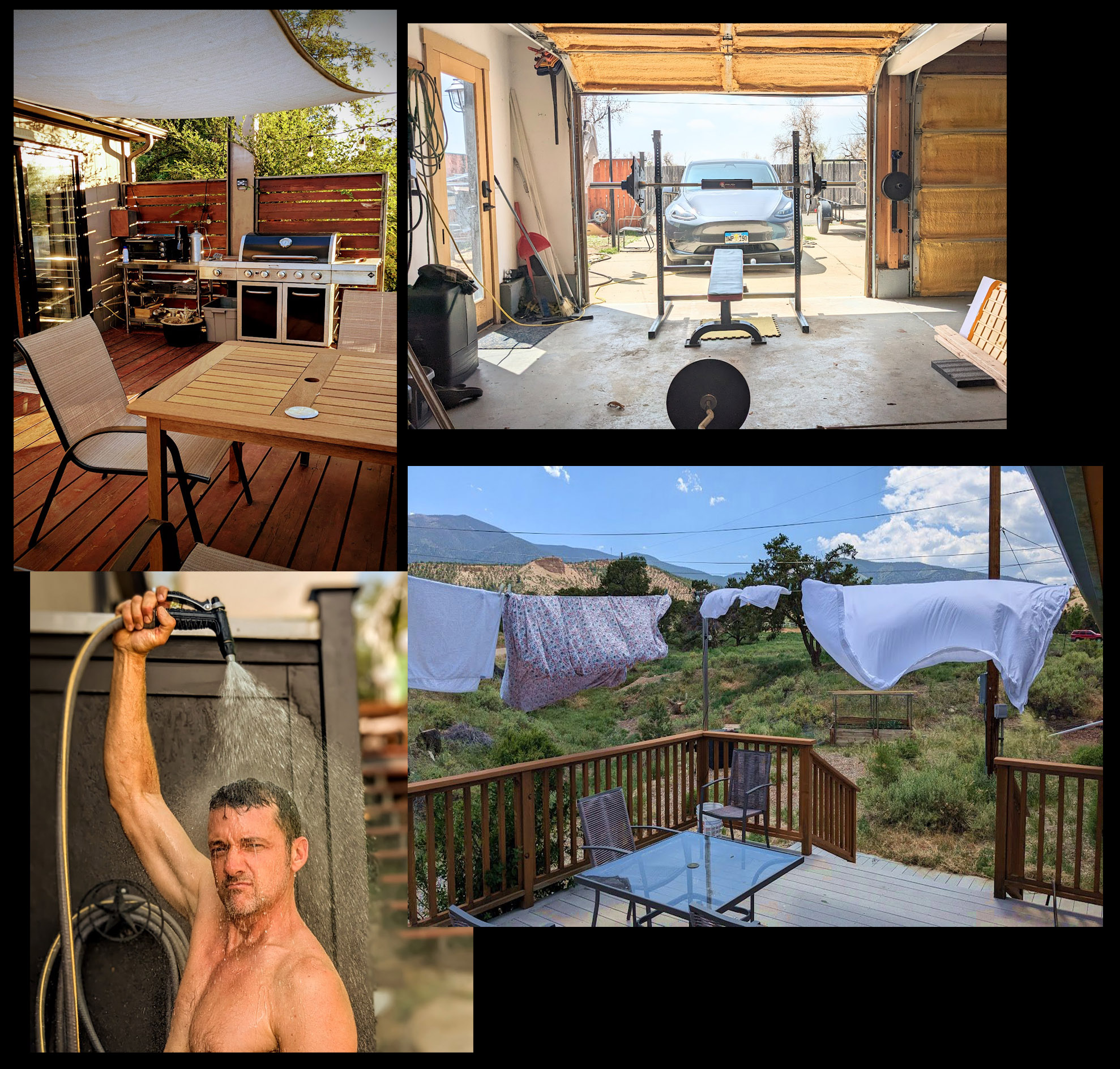
Critics frequently surface online with variations of a standard refrain, suggesting that the persona behind the brand has long since grown too affluent to understand the common person’s struggles, or speculating that the author no longer practices the frugal, DIY ethos he once popularized.
Yet, for those who have followed the evolution of the movement—broadly termed "Mustachianism"—these critiques overlook a fundamental misunderstanding of what the philosophy was designed to achieve in the first place. Rather than functioning as a temporary mechanism of deprivation designed merely to hit a specific financial finish line, the core practices are presented not as sacrifices, but as a permanent realignment toward efficiency, creativity, and self-reliance that naturally yields financial abundance without sacrificing life satisfaction.

The central thesis of the movement posits a distinct departure from standard financial planning advice. Conventional wisdom typically encourages individuals to slash spending and endure periods of acute sacrifice until reaching a designated savings percentage, after which discretionary lifestyle inflation is largely treated as a matter of personal choice. Under that traditional framework, an increase in household income simply serves to alleviate the burden of sacrifice, paving the way for high-spending retirement models.
In contrast, the philosophy championed by long-term adherents focuses on cultivating a continuous love for problem-solving, physical and mental self-awareness, and holistic self-improvement. By finding intrinsic enjoyment in activities that incidentally reduce monthly expenditures over time, practitioners argue that quality of life actually increases as expenses drop.
To illustrate how these principles manifest in daily life years after achieving financial independence, the author recently cataloged several ongoing personal habits. Measured against the standard metric known within the community as the "rule of 172"—which calculates how a monthly expense compounds over a ten-year period when properly invested—these everyday choices reveal substantial long-term wealth preservation driven entirely by personal preference rather than financial desperation.
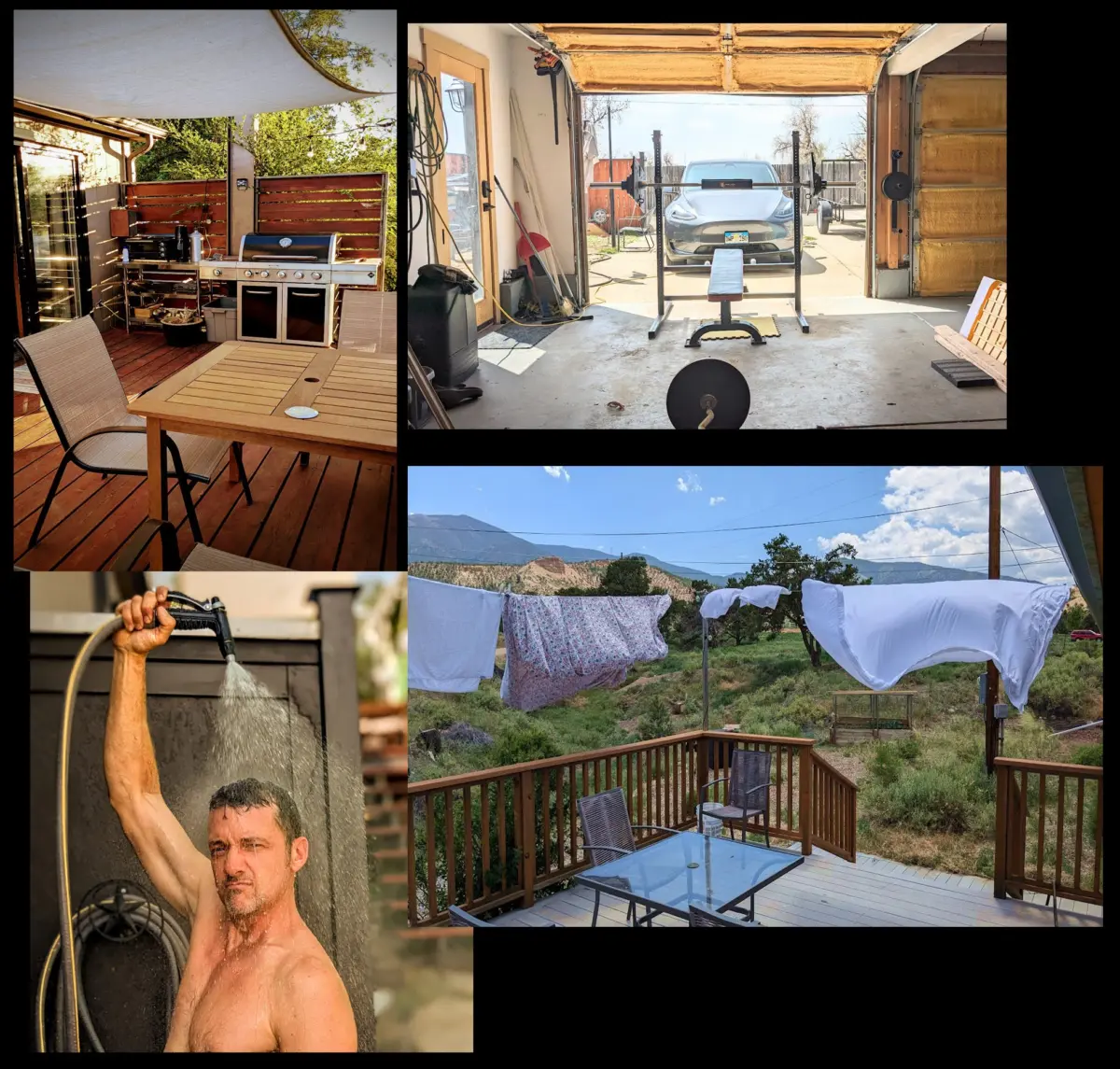
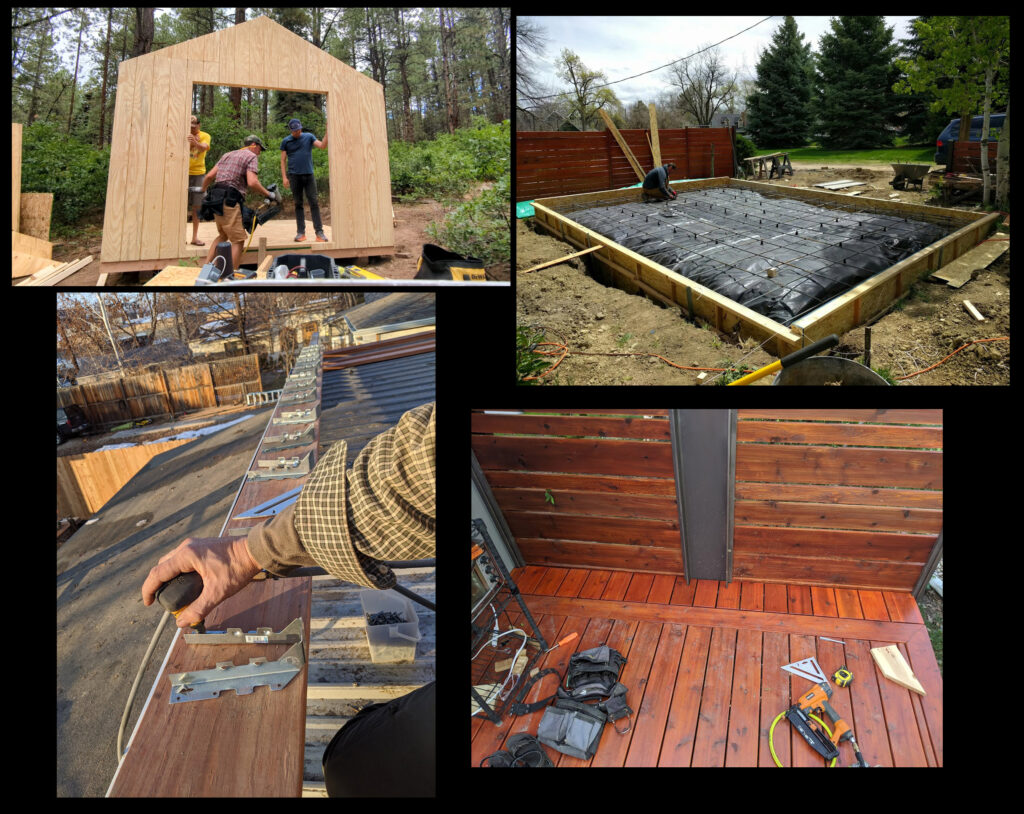
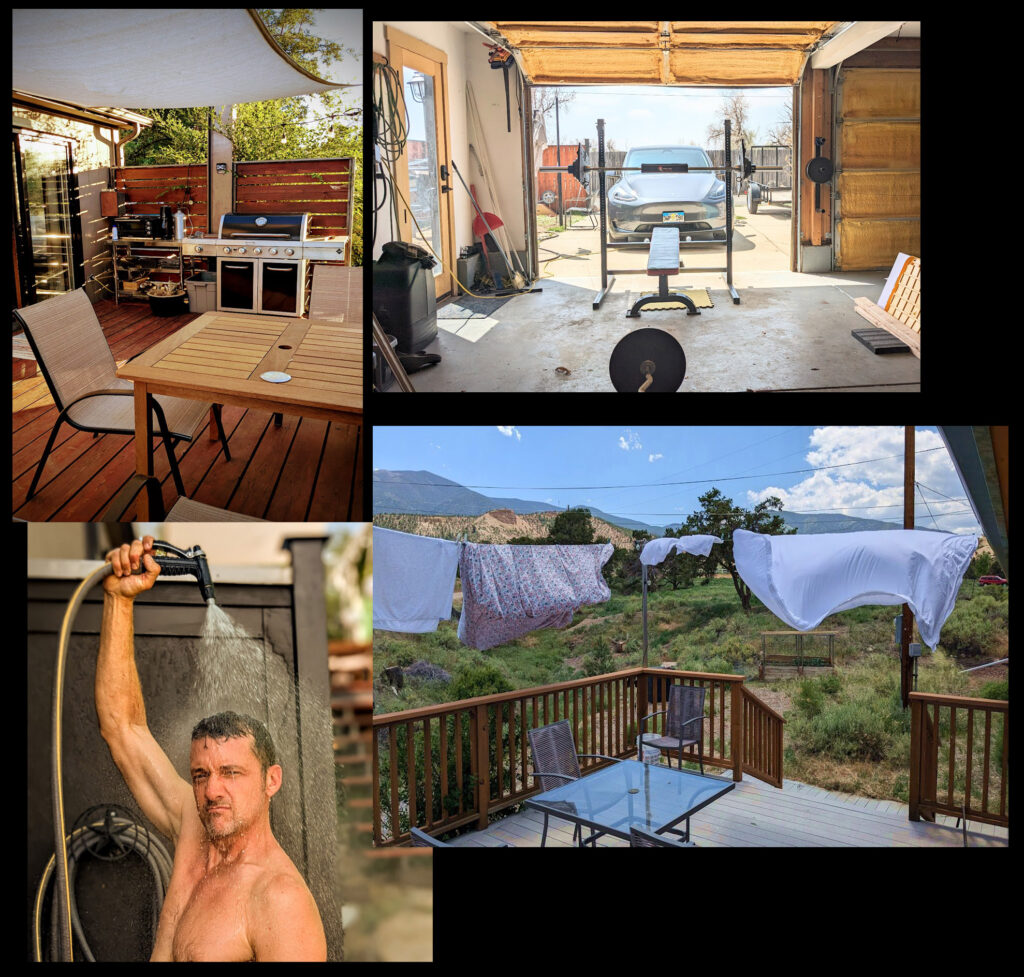
Chief among these practices is a rigorous commitment to home maintenance and construction. Viewing self-sufficiency as a primary bulwark against external dependencies, the author maintains a longstanding passion for redesigning and repairing residential spaces. Rather than outsourcing major renovations to outside contractors, hands-on construction work on personal properties and those of friends serves as a primary recreational outlet. This hands-on approach to property management yields an estimated savings averaging $20,000 per year, translating to roughly $287,000 per decade when compounded.
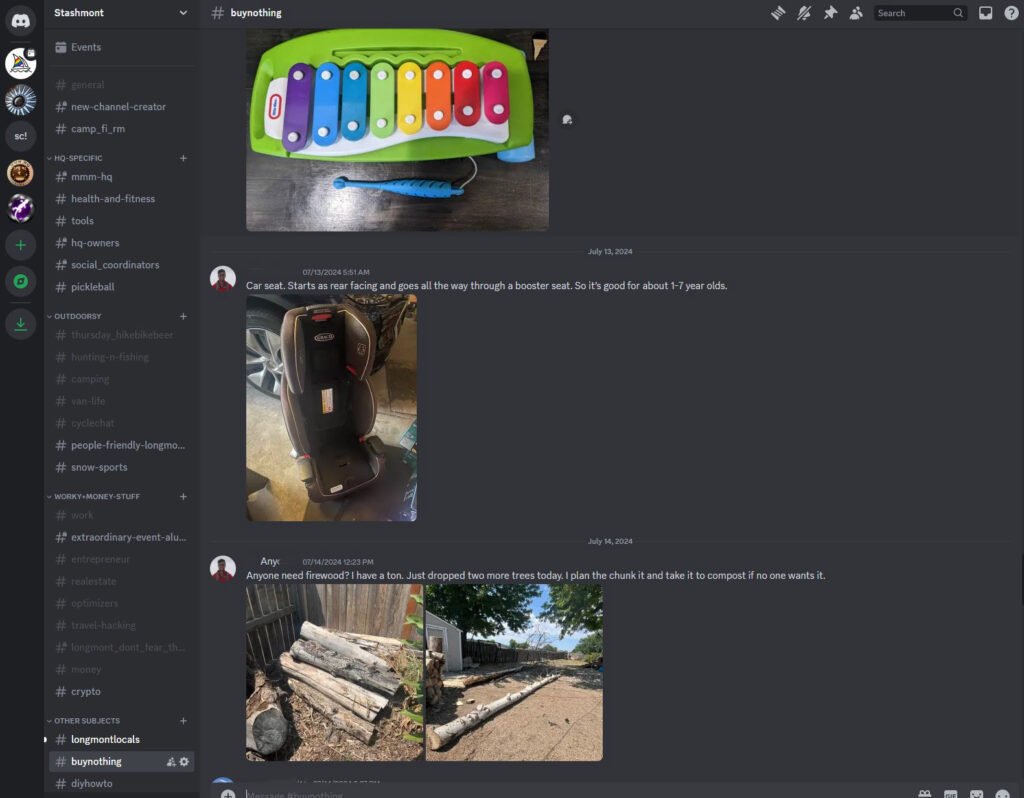
A parallel philosophy governs material consumption through active engagement with local sharing economies. While financial independence affords the luxury of purchasing brand-new goods delivered directly to one’s doorstep, practitioners often find greater fulfillment in repurposing, exchanging, and acquiring high-quality items through peer-to-peer networks. Utilizing platforms such as Craigslist, Facebook Marketplace, and localized digital communication hubs like Discord servers, community members routinely trade goods, services, and collaborative advice on maintenance projects. These habits routinely generate thousands of dollars in annual value, contributing an estimated $42,000 per decade to overall household efficiency.
Transportation choices similarly reflect a lifelong adherence to active mobility over automotive dependency. Despite the widespread cultural reliance on motor vehicles, bicycles and walking continue to account for the vast majority of local trips. While urban centers allow for relatively short commutes—limiting total annual mileage to roughly 2,000 miles—the financial impact remains notable, saving an estimated $14,000 per decade primarily through the reduction of vehicle depreciation, fuel costs, and maintenance expenses. Beyond the direct financial impact, proponents emphasize the concurrent, compounding benefits to cardiovascular health and mental well-being.

That emphasis on physical engagement extends directly into daily labor and property upkeep. When faced with choices between motorized convenience and manual exertion—such as choosing stairs over elevators, moving household furniture independently, or shoveling snow and maintaining landscaping without heavy machinery—the inclination is consistently to favor muscle over motor. While assigning a precise dollar figure to physical fitness is complex, proponents point to the stark contrast between national healthcare expenditure averages and the minimal lifetime medical costs associated with an active lifestyle, conservatively estimating the combined savings and productivity benefits at $140,000 per decade.
Energy consumption in the home is approached through a similar lens of creative engineering and environmental attunement. By treating domestic spaces as experimental laboratories for passive solar heating, natural ventilation, and seasonal adjustments, overall utility consumption is sharply reduced compared to regional averages. Simple architectural modifications, such as introducing strategic southern exposures to capture passive solar warmth, reduce monthly utility expenditures significantly. Although these measures require active oversight that many consumers might find burdensome, the personal enjoyment derived from maintaining an energy-efficient homestead makes the effort its own reward, preserving an estimated $30,000 per decade.

Finally, lifestyle design choices often prioritize local immersion over constant travel. While acknowledging the undeniable value of travel for broadening personal and familial horizons, proponents argue for a deliberate pruning of the travel calendar in favor of rich, localized experiences. By choosing to remain at home during peak vacation seasons—investing time instead in local community building, regional recreation, and hosting friends—families can avoid substantial direct expenses and incidental costs. Replacing just two weeks of intensive travel annually with local engagement can save an estimated $5,000 per year in direct costs, alongside another $5,000 in incidental health and social benefits, compounding to roughly $143,000 per decade.
When aggregated, these six distinct lifestyle habits account for a cumulative financial impact exceeding $656,000 per decade—a sum that comfortably surpasses the median net worth accumulated by typical American households approaching retirement age after decades of conventional labor.
For the community’s long-term adherents, these figures serve as proof that the underlying mechanics of extreme efficiency remain as potent as they were a decade ago. Ultimately, the philosophy suggests that achieving financial resilience does not require permanent deprivation, but rather a fundamental shift in how one derives satisfaction from the physical and social world, proving that frugality practiced for its own sake can remain a lifelong source of engagement long after the financial necessity has faded.