
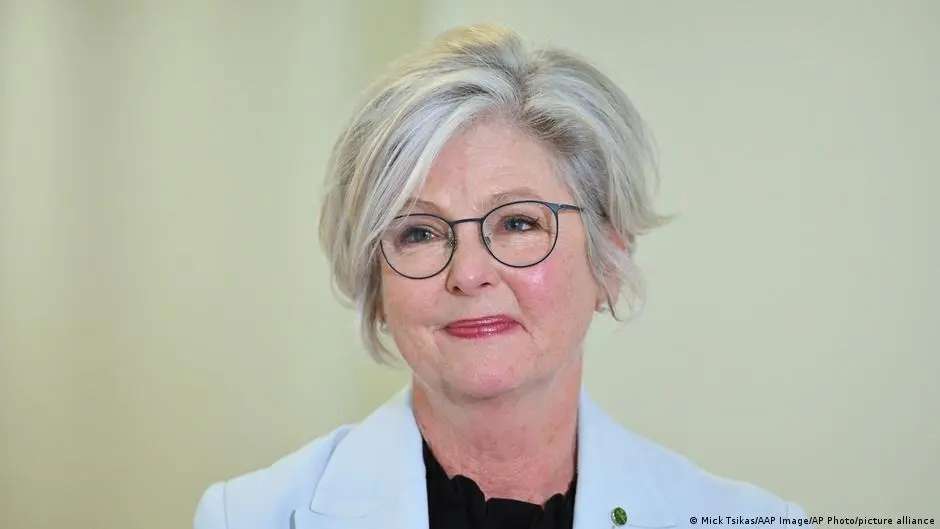
An independent Australian federal lawmaker has suffered life-altering injuries, losing one of her legs after being struck by a vehicle in what authorities have described as an apparently deliberate attack outside her regional constituency office.
Helen Haines, 65, an independent Member of Parliament representing a regional Victorian electorate, underwent emergency surgery overnight following the incident on Monday. Medical personnel treated her for critical injuries sustained when a vehicle struck her at her office in Wangaratta, a regional centre situated northeast of Victoria’s state capital, Melbourne. On Tuesday, reports by national broadcaster ABC and the daily Sydney Morning Herald, citing sources familiar with her medical status, confirmed that surgeons were forced to amputate one of her legs as a result of the catastrophic lower-body trauma she endured.
The severity of the incident and the circumstances surrounding it have prompted counterterrorism investigators to join state police in a major, multifaceted inquiry. Law enforcement officials and political leaders across the country have expressed deep alarm over the event, which unfolded in broad daylight on a standard working day outside an accessible community office.
What do we know about the suspected attack on Haines?
The incident occurred directly outside Haines’ electorate office in Wangaratta. According to police statements, Haines was standing near the rear of her own vehicle, loading or unloading items from the trunk, when she was hit by a white Toyota sport utility vehicle (SUV).
Witnesses at the scene described hearing a loud crash before witnessing the harrowing aftermath. According to accounts cited by the ABC, bystanders reported hearing a loud bang and turning to see the 65-year-old parliamentarian pinned between two vehicles. Haines suffered severe, life-threatening injuries, predominantly concentrated on her lower body, where the force of the collision caused extensive trauma.
Emergency services were rapidly dispatched to the scene, and Haines was rushed into surgery as medical teams fought to stabilize her condition. While initial hospital reports categorized her injuries as critical, subsequent reporting by major Australian news outlets confirmed the severity of the damage, culminating in the surgical amputation of one of her legs during overnight procedures.
The driver of the SUV, identified as a 43-year-old man, was taken into custody at the scene following the intervention of bystanders. Prime Minister Anthony Albanese confirmed the arrest during subsequent public remarks addressing the national crisis.
Early investigative findings suggest that the collision was not a standard traffic incident or a momentary loss of vehicle control. Albanese revealed that preliminary police assessments indicated the driver executed a deliberate U-turn prior to accelerating toward Haines as she stood behind her car.
"This wasn’t an accident. There was a deliberate act, it would appear," Albanese told the ABC, reflecting the assessment of investigators examining the vehicular movements immediately preceding the impact.
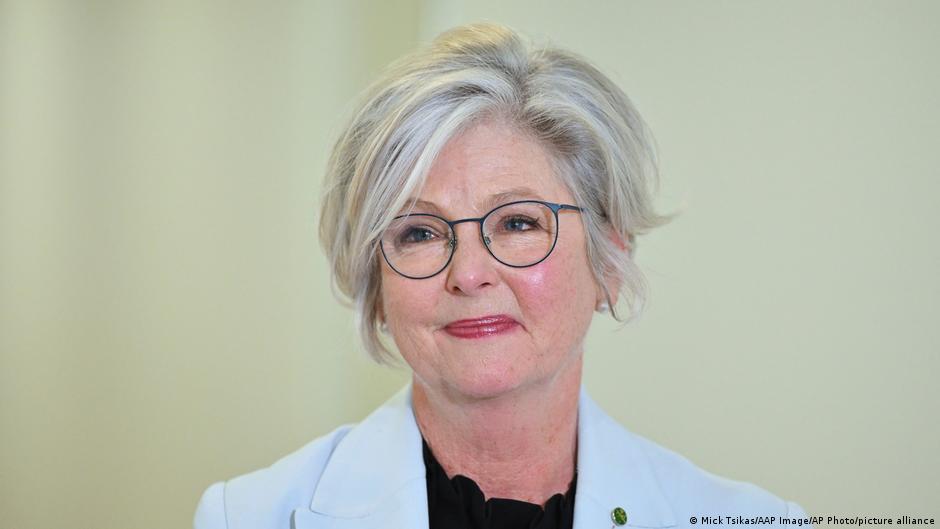
Because of the nature of the collision, the profile of the victim, and the apparent intentionality of the driving maneuvers, specialist counterterrorism investigators were integrated into the broader police investigation. Although authorities have underscored that formal motives have not yet been legally confirmed, the deployment of counterterrorism personnel underscores the gravity with which federal and state agencies are treating the suspected assault on a sitting member of the federal parliament.
Local barber ran to assist
In the immediate aftermath of the violent impact, tragedy was met with swift community intervention. Ricky Jeffries, a local barber whose business is located next door to Haines’ electorate office, rushed into the street after the crash occurred and played a critical role in apprehending the suspect.
Jeffries has earned widespread praise across Australia after running directly toward the scene of the collision, extracting the 43-year-old driver from the vehicle, and restraining him until law enforcement officers arrived to make a formal arrest. The intervention carried substantial personal danger, as it was subsequently discovered that the driver was armed with a weapon inside the car.
Despite facing intense public attention and being hailed as a hero for potentially preventing further harm, Jeffries actively downplayed his actions when recounting the confrontation to journalists. He explained that his immediate focus was neutralizing any continued threat posed by the driver, who was carrying a bladed weapon.
"He did have a knife. He didn’t pull it out. I just wasn’t comfortable with his movements, and so I basically just took it out of his pocket and threw it away," Jeffries said, detailing the rapid, high-stakes decisions he made upon reaching the SUV.
Once the weapon had been removed and cast aside, Jeffries used his body weight to hold the man down on the pavement, ensuring the suspect could not flee or re-enter the vehicle.
"I just leant over him and once he was on the ground and he was no longer a threat, I just stood with him and I told him that he can’t leave," Jeffries said.
Recalling the mindset that guided him during the chaotic moments immediately following the crash, Jeffries acknowledged the inherent risks of confronting an unknown assailant, offering a grounded and personal reflection on what crossed his mind in the heat of the moment. He told journalists his initial thought had been: "My wife would be disappointed if I’m injured."
Jeffries remained adamant that he should not be singled out for commendation, emphasizing that other local residents and bystanders in Wangaratta responded selflessly to render aid to Haines and manage the chaotic scene before first responders took over.

"The other people here were just, they did so much more than me … they deserve the credit," he added, deflecting accolades toward fellow community members who rushed to provide first aid and support to the critically injured lawmaker.
Political violence on the rise: PM Albanese
The suspected targeted attack on an elected representative has reignited urgent debates across Australia regarding the safety of public officials and the deteriorating tone of political discourse. Prime Minister Albanese cautioned that it remains premature to reach definitive conclusions regarding the underlying motive of the 43-year-old suspect, yet he openly contextualized the event within an escalating climate of public hostility.
"The temperature has increased in recent times," Albanese observed when addressing the broader political environment. "I’ve expressed that concern to people in the media."
The Prime Minister’s remarks reflect an increasingly vocal concern among public figures regarding the proliferation of aggressive rhetoric, intimidation, and direct threats directed at lawmakers and senior civil servants. While investigators work to determine whether the Wangaratta incident was motivated by political ideology, personal grievance, or other factors, the event occurs against a backdrop of documented increases in harassment directed at public officials both in Australia and across other democratic nations in recent years.
Leaders from both state and federal jurisdictions voiced collective shock and sorrow following the confirmation of Haines’ severe injuries. Ben Carroll, the Premier of Victoria, where the regional town of Wangaratta is situated, issued a statement expressing revulsion at the incident.
Carroll stated that he was "appalled" by the attack, emphasizing the deep emotional toll it would inflict on the regional constituency Haines has represented for years. "I know how devastating this will be for the Wangaratta community and all those who Helen represents," Carroll said.
At a separate media briefing, Prime Minister Albanese reiterated the national sentiment of solidarity with the injured MP, noting that colleagues across the political spectrum were united in their support. Albanese stated that everyone was "praying for her full recovery" as she faces a long and arduous path of rehabilitation following the surgical amputation.
Haines has been a prominent and respected figure in Australian federal politics since her historic election in 2019, when she succeeded another independent to retain a regional seat—a rare occurrence in modern Australian parliamentary history. Prior to entering public life, Haines established a long career in regional healthcare, working for decades as a registered nurse and midwife, as well as a rural health researcher. In parliament, she built a reputation as a determined crossbench advocate, known nationally for her persistent legislative efforts regarding government integrity, regional healthcare services, and ambitious action on climate change.
As the joint investigation between Victoria Police and counterterrorism authorities continues to examine the driver’s background, movements, and potential motives, the community of Wangaratta and the Australian parliament remain in a state of profound shock over an act of violence that has fundamentally altered the life of an elected representative.