
VANCOUVER – British Columbia Conservative Leader Lorne Doerkson has admitted to experiencing a measure of frustration during the opening days of the provincial election campaign, but the newly appointed leader now insists that his party is fully prepared and "ready to rock" as they transition into campaign mode.
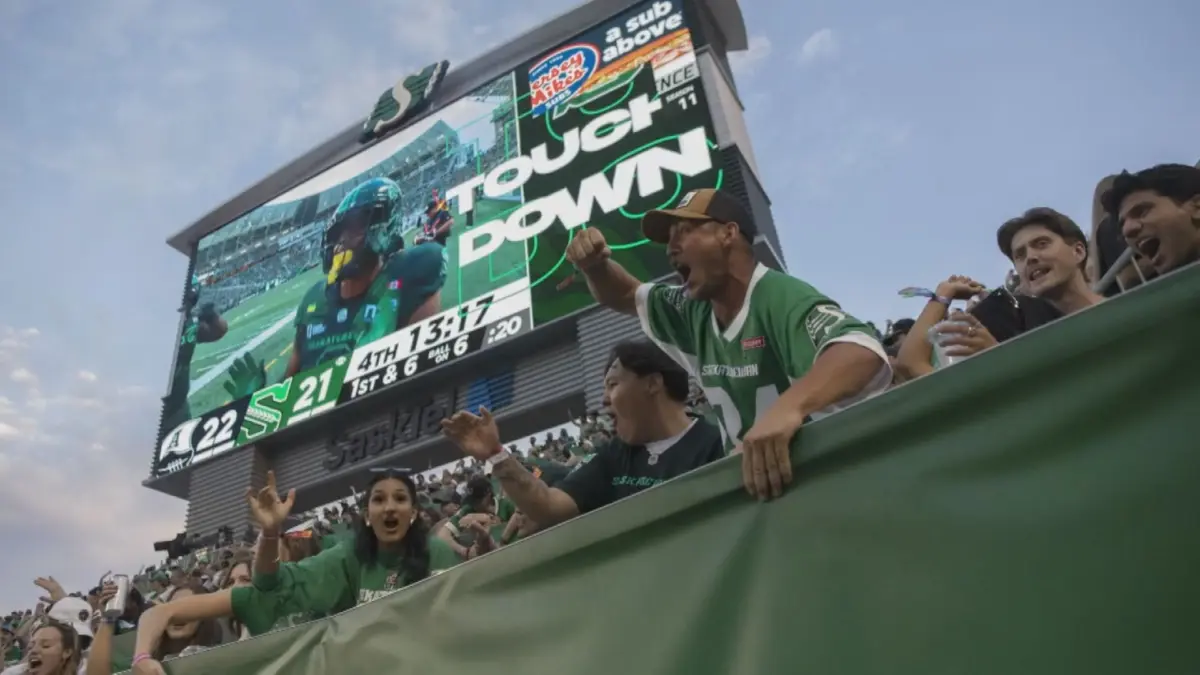
Doerkson, who assumed the interim leadership of the party just hours before the New Democratic Party government called the provincial election, conceded in a recent interview that his schedule has been more than a little busy. Despite the intense demands of his sudden elevation to the party’s top post, Doerkson said he felt it was essential to accept an invitation to attend the British Columbia Lions football match against the Saskatchewan Roughriders. The sporting event provided a rare opportunity for the new leader to meet and consult with former British Columbia Premier Christy Clark and current Saskatchewan Premier Scott Moe.
While Doerkson acknowledged that the deafening roar of the stadium crowd made it difficult to exchange detailed words of wisdom or deep political strategy during the game, he emphasized the immense value of the encounter. In the days following his appointment, Doerkson estimated he has stated at least 100 times to colleagues, supporters, and the media that he remains entirely open to guidance as he navigates the challenges of leading the party through an unexpected electoral contest.
In an interview, Doerkson expressed his strong desire to gather insights from experienced political figures, noting that he is actively listening to anyone who can offer sound advice on how to successfully change the government in British Columbia. Beyond the immediate strategic benefits, Doerkson highlighted the broader importance of the meeting, explaining that having the chance to sit down, converse, and build relationships with both a past premier and a currently sitting premier represents a significant advantage for his leadership and the party as a whole.

The fast-moving political developments began in earnest when New Democrat Leader and Premier David Eby called a snap provincial election. The sudden election call came on a Tuesday, just days after the previous British Columbia Conservative leader, Kerry-Lynne Findlay, resigned from her position. Findlay’s abrupt departure followed a highly publicized caucus revolt that had been building within the party ranks for several weeks. Following her resignation, the 58-year-old Doerkson was quickly stepped up to serve as the interim leader, thrusting him immediately into the spotlight of a province-wide campaign.
Doerkson did not shy away from acknowledging the internal difficulties his party has faced in the lead-up to the campaign, agreeing that the Conservatives have weathered some very visual and public challenges. However, he expressed strong confidence in his personal ability to mend divisions and steer the party forward. Doerkson stated that he is best known for being a leader who can build cohesive teams and bring people together. Without wishing to appear boastful, he remarked that he feels genuinely excited about what the party has managed to achieve in an incredibly short window of time, particularly regarding their efforts to bring former critics and displaced members back into the party fold.
The internal instability that preceded Findlay’s resignation had been developing since August, when members of the Conservative caucus began defecting from the party. Departing members had openly complained about Findlay’s leadership style, creating a wave of internal friction that ultimately made her position untenable. Prior to her resignation, Findlay had planned to contest a provincial byelection that had been scheduled to take place. However, that specific byelection was officially cancelled when Premier Eby made the decision to call the general provincial election. Findlay has since confirmed that she will not be running as a candidate in the upcoming general election.
Since taking the reins of the party and facing the immediate election call, Doerkson has maintained a active public presence. He held a media availability on Tuesday, flanked by supportive members of the Conservative caucus and a gathering of party loyalists, and has since participated in several media interviews. However, observers have noted that the party has yet to roll out the highly structured, campaign-style policy announcements that typically characterize the launch of a major election bid.
Doerkson attributed this slower start to the sudden and unexpected nature of the election call, expressing deep frustration with the government’s decision to trigger a snap vote. He argued that British Columbians share this frustration, pointing to recent polling data as evidence of public dissatisfaction with the timing of the election. He explained that when a snap election is called, it naturally takes some time for an opposition party to organize its operations, establish its infrastructure, and get all necessary campaign elements properly aligned.

Despite these initial logistical hurdles, Doerkson assured the public that the Conservative election tour is set to commence in the very near future. He promised that formal policy announcements and the party’s official platform would be released soon. A primary focus for the party leadership is ensuring that a Conservative candidate is running in each of the province’s 93 ridings. Doerkson noted that the party has been inundated with requests from highly qualified individuals wishing to run under the Conservative banner. However, he emphasized that the vetting process for potential candidates is highly complex and thorough, though party officials are working as rapidly as possible to finalize the roster.
One high-profile constituency where the party has already secured a candidate is West Vancouver-Capilano. The party announced that Caroline Elliott, a prominent figure who previously ran for the Conservative leadership, will contest the riding. Elliott’s candidacy is notable given her strong performance in the party’s leadership race. During the final run-off of the leadership contest, official results showed Elliott finishing just two percent behind the eventual winner, Findlay.
With her candidacy confirmed, Elliott becomes the second of the five final leadership contestants to announce a run in this general election. She joins former legislator Peter Milobar, who has committed to running again, this time representing the party in the riding of Kamloops-Centre.
As the opposition parties scramble to finalize their campaigns, the governing New Democrats have also been active in securing their candidate lineup. The NDP has announced that several of its sitting members will seek re-election. Among the high-profile cabinet ministers running to retain their seats are Sheila Malcolmson in Nanaimo-Gabriola Island, Lisa Beare in Maple Ridge-Pitt Meadows, and Anne Kang in Burnaby Centre. However, the NDP is also facing significant changes of its own, as four of Premier Eby’s cabinet ministers, including Ravi Kahlon and Kelly Greene, have officially announced that they will not be seeking re-election in this campaign.
Meanwhile, a highly competitive and personal political battle is shaping up in the riding of Surrey South. Elenore Sturko, the leader of CentreBC who was previously elected to represent Surrey-Cloverdale, has announced that she will be running in Surrey South. The riding was won by Brent Chapman, who is the husband of former Conservative leader Kerry-Lynne Findlay.

In a dramatic turn of events on the very day the snap election was called, Chapman left the Conservative party to join the right-wing OneBC party. This political realignment means that Sturko will face a three-way contest in Surrey South, running against the incumbent Chapman as well as the current Mayor of White Rock, Megan Knight, who has been selected to run as the official Conservative candidate for the riding.
The transition has sparked strong reactions from the candidates involved. In a public statement regarding her decision to run in Surrey South and challenge the incumbent, Sturko expressed deep dissatisfaction with Chapman’s tenure as the local representative. She stated bluntly that she felt embarrassed by the fact that Chapman had been serving as her Member of the Legislative Assembly, adding that she fully plans to remedy that situation through her candidacy in the upcoming election.
As the province prepares for a intense campaign period, the political parties are quickly mobilizing to present their competing visions to the electorate. With Doerkson attempting to solidify his leadership and unite a fractured party, and the NDP managing key cabinet retirements while defending its record, the stage is set for a closely watched provincial contest.