
The stock market has once again found a way to surprise observers, prompting familiar anxieties about whether current valuations are built on an unsustainable foundation. As artificial intelligence dominates financial headlines and propels major indexes to historic heights, investors increasingly worry that a monumental correction is looming, threatening retirement nest eggs and echoing the early dot-com frenzy. Yet, according to long-time financial independence advocate and internet commentator known as Mr. Money Mustache, this prevailing dread is less a reflection of objective economic reality and more a symptom of a deeply ingrained human evolutionary trait: fear itself.

Reflecting on more than two decades of retirement, the financial writer recently addressed these anxieties during a presentation at Camp FI Midwest, with plans for an expanded discussion at the upcoming Bogleheads conference. Drawing parallels to the economic anxieties of the past, the core message emphasizes that while financial markets are inherently volatile and prone to speculative manias, true prosperity is rooted not in digital ledger numbers, but in human productivity and problem-solving capacity.

Looking Back at Two Decades of Market Anxieties
To understand the current climate of worry surrounding the artificial intelligence boom, it helps to examine the anxieties that gripped investors two decades ago. In 2006, the financial world was preoccupied with an entirely different set of systemic threats. Headlines warned of corrupt political leaders, escalating conflicts in the Middle East, surging national debt, persistent inflation, and a dangerously overvalued housing market. At the time, widespread concern focused on the housing bubble rather than an AI bubble, while the outsourcing of jobs to developing nations generated fears similar to those currently directed at automation and machine learning.

Compounding these worries, the mid-2000s were dominated by the concept of "peak oil"—a widely debated theory that fossil fuel consumption would inevitably outstrip dwindling supplies, plunging global economies into crisis.

Instead of total destruction, the subsequent two decades unfolded with a mix of severe economic turmoil and staggering human progress. The speculative housing market ultimately culminated in the Great Financial Crisis of 2007–2008, triggering the deepest economic downturn since the Great Depression. Yet, looking at the long-term trajectory of the broader stock market, that historic crash appears as a temporary dip within a larger upward trend. A hypothetical investment made during the height of the 2006 anxiety would have grown substantially over the next twenty years, weathering both the financial crisis and the subsequent market disruption caused by the COVID-19 pandemic in 2020.

Simultaneously, global living standards improved dramatically across several measurable metrics. The proportion of the world’s population living in extreme poverty dropped from approximately 20 percent in 2005 to roughly 8 percent over the subsequent two decades, while global infant mortality rates were cut in half. At the same time, clean energy transitions accelerated rapidly as solar technology costs plummeted, making solar power the dominant source of newly added electrical generation capacity. Simultaneously, electric vehicles surged from negligible market share to a significant percentage of global car sales, achieving near-total market saturation in pioneering nations like Norway.

Prosperity Roots and the Psychology of Fear
Despite these historical improvements in global health, wealth, and technology, public anxiety remains remarkably consistent. Financial media outlets frequently amplify warnings regarding national debt, geopolitical conflicts, and technological disruption. However, these cautionary narratives often overlook a fundamental economic principle: true prosperity does not originate within the abstract architecture of the financial system or stock market tickers, which ultimately represent numerical valuations on computer servers.

Instead, economic prosperity stems directly from productivity. Capitalism experiences recurring cycles of instability, but underlying those financial waves are human workers, innovators, and creators developing real-world solutions and technological advancements. If a financial system experiences a systemic failure, history demonstrates that societies retain the capacity to restructure monetary metrics and resume productive labor, much as they did following the 2008 crisis and previous historical downturns.

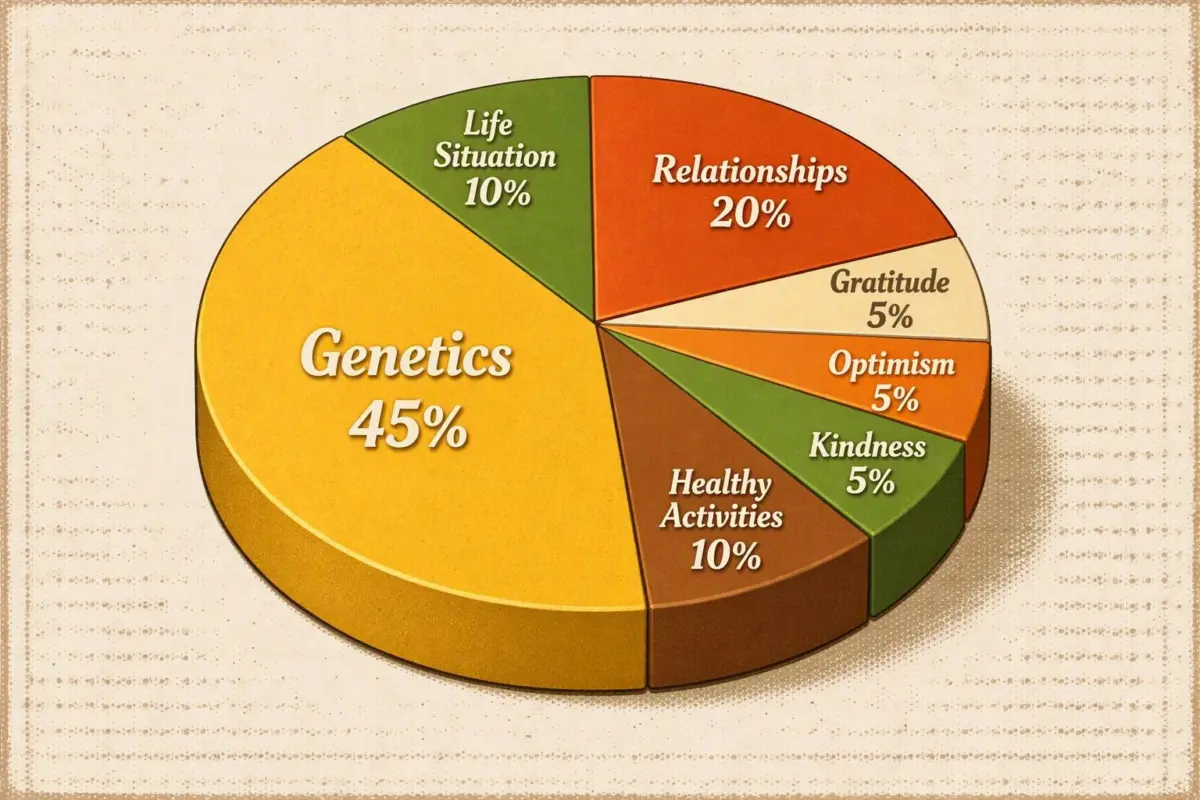
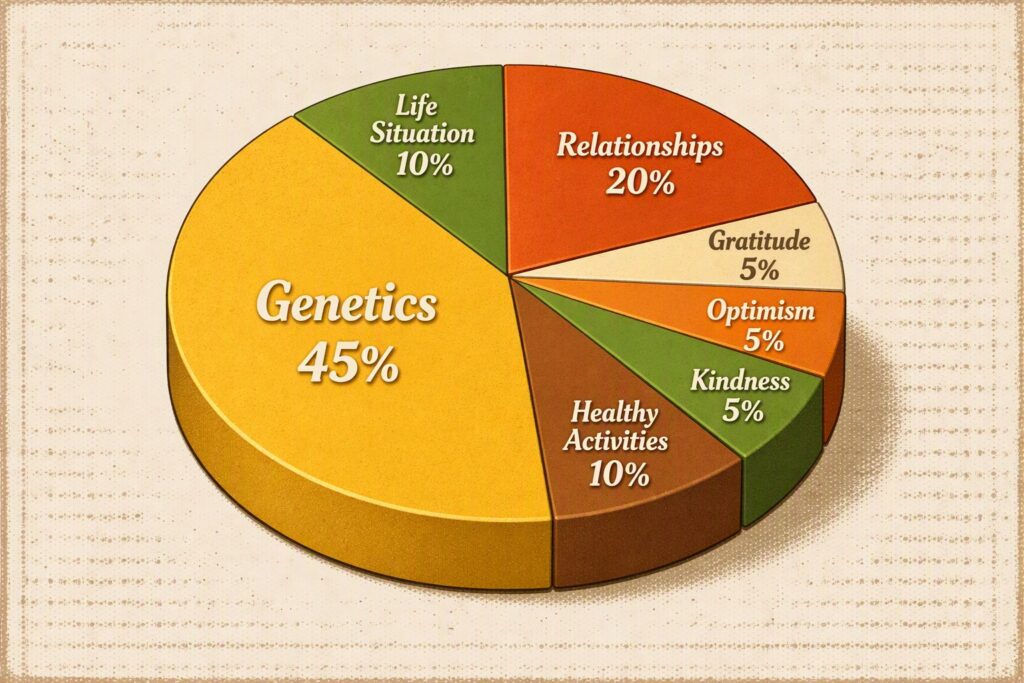
Beyond productivity and economic output, human well-being relies heavily on non-financial factors. Psychological research indicates that once a society surpasses a baseline standard of living, additional wealth yields diminishing returns regarding overall life satisfaction. Long-term happiness is largely influenced by genetics, meaningful personal relationships, active outdoor lifestyles, and the practice of gratitude and optimism.
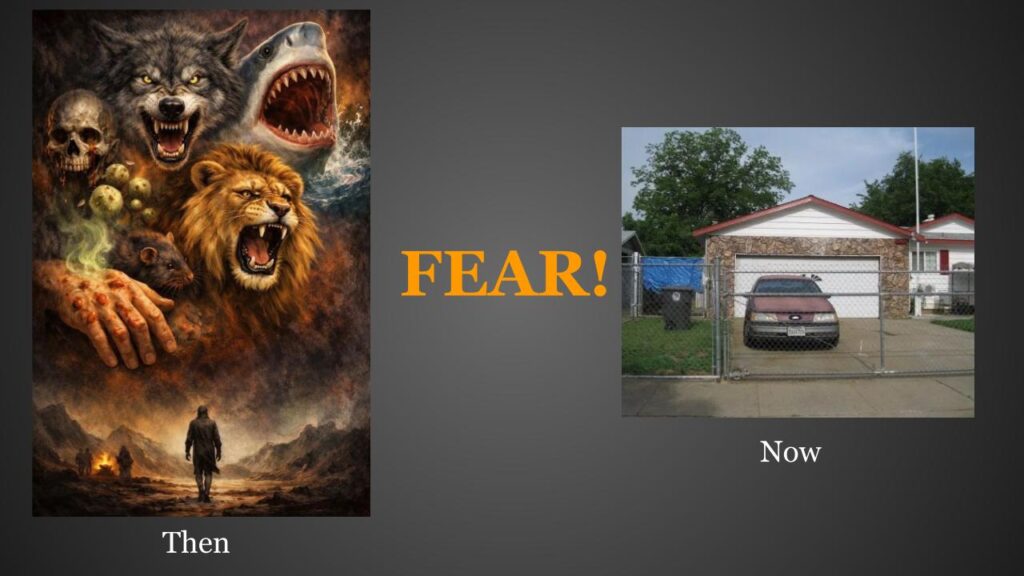
Yet, despite achieving financial security, many individuals continue to experience persistent anxiety about the future. This phenomenon stems from human evolutionary biology. As a species, humans evolved as danger-detection machines equipped with a survival mechanism designed to identify threats. When immediate physical dangers such as predators and infectious diseases are mitigated by modern civilization, the brain’s detection machinery does not simply turn off. Instead, it continually shifts goalposts, finding new subjects for concern ranging from economic scarcity and social exclusion to neighborhood aesthetics, tax strategies, and required minimum distributions for retirees holding surplus wealth.
Overcoming Anxieties Through Action and Experimentation
Combating this pervasive background fear requires conscious self-awareness and rational evaluation. For many individuals, anxiety is rooted in personal history, childhood experiences with economic scarcity, or historical trauma. Tracing these feelings to their origins helps decouple past conditioning from present reality. By analyzing worst-case scenarios and recognizing that extreme financial ruin is statistically improbable for those with established safety nets, individuals can begin to replace passive worry with deliberate action.
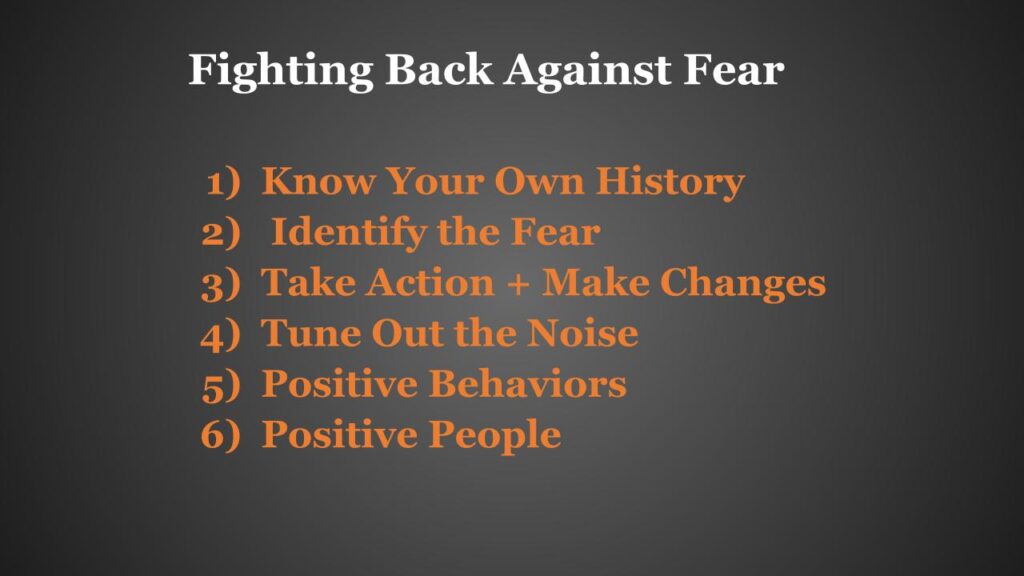
Proponents of this mindset emphasize that taking concrete action effectively reduces unfamiliarity, building resilience and confidence. Furthermore, reducing exposure to fear-inducing daily news diets can significantly improve mental well-being. Modern environments characterized by excessive indoor sedentary routines often conflict with human biological needs for physical movement, problem-solving, and outdoor engagement. Surrounding oneself with optimistic, productive peers within supportive communities further reinforces a positive mental framework.

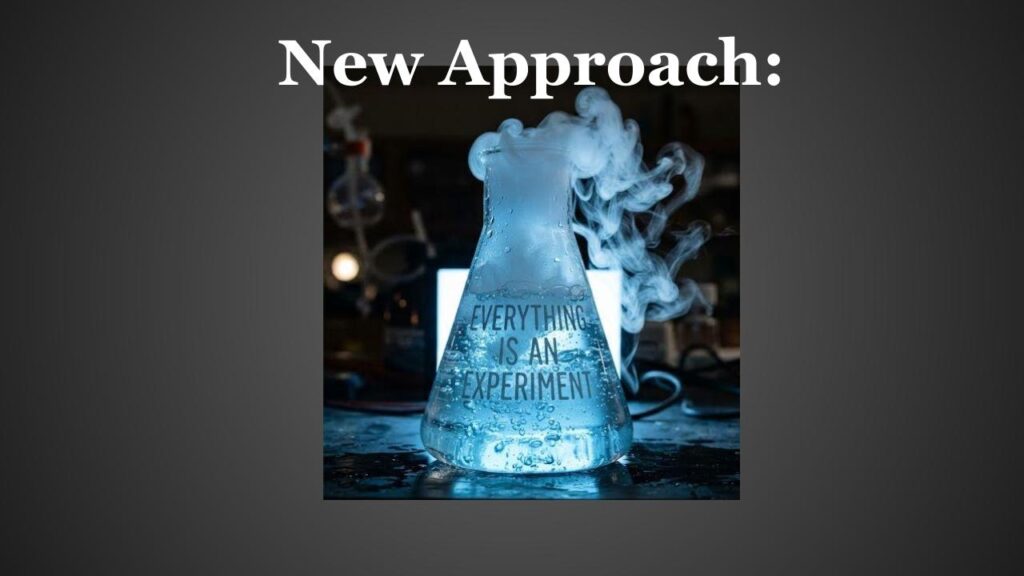
Approaching life’s transitions through the lens of experimentation—treating career shifts, housing changes, early retirement, and technological developments as manageable trials rather than catastrophic events—alters how individuals perceive uncertainty.
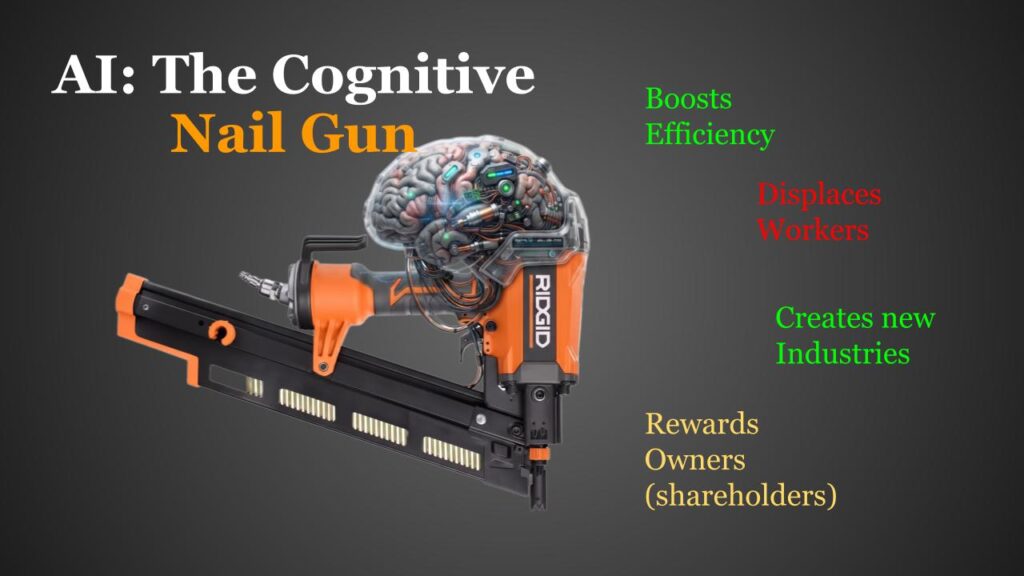
This experimental perspective applies directly to the current artificial intelligence landscape. Rather than viewing generative AI exclusively through a lens of existential doom, technology observers can analyze the phenomenon as a powerful cognitive tool designed to enhance efficiency and productivity. Much like the introduction of the internet and mobile computing, artificial intelligence will inevitably displace certain routine entry-level tasks while simultaneously reducing service costs and catalysing entirely new industries. While technological revolutions frequently concentrate financial rewards among capital owners and shareholders, they also expand overall economic capabilities.
Ultimately, navigating both market bubbles and personal anxiety requires recognizing that fear is often an internal symptom rather than an external threat. As long-term financial independence advocates suggest, confronting personal hesitations and embracing calculated change remains essential for achieving a fulfilling and resilient life.