
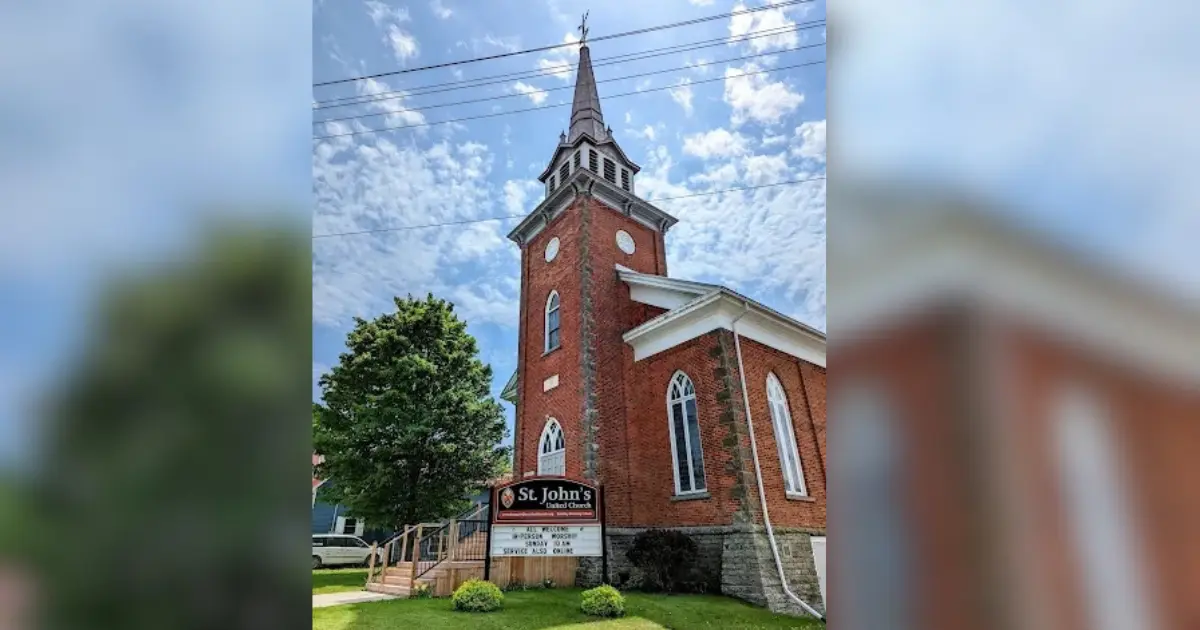
Like many faith communities across the country, St. John’s faced unprecedented challenges when in-person gatherings were suspended due to public health restrictions. Rather than allowing the physical separation to stall the life of the church, the congregation used the quiet period to look inward and reimagine its purpose.
St. John’s formed a dedicated visioning committee to engage with its approximately 220 congregants. Recognizing that traditional in-person town halls were impossible, members of the committee conducted extensive phone interviews with as many members as possible. They asked fundamental questions about what they thought the church could be, what kind of work they wanted it to do, and what was most important to them when it came to community outreach and atmosphere.
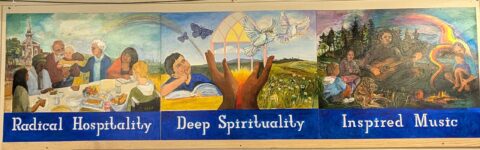
Using the rich and varied feedback gathered through these personal conversations, the church developed a brand-new vision statement centered squarely on three core values: radical hospitality, deep spirituality, and inspired music.
The process of consultation and collaborative planning had a profound effect on the morale of the congregation. People became deeply energized about what was possible for their faith community moving forward, according to Helen MacGregor, the administrator at St. John’s United Church.
"There was this feeling that they were in charge of the design of whatever this church is going to be," MacGregor says, highlighting the shift toward a more grassroots, member-driven approach to church life.
Following the formulation of their new vision, the congregation collectively decided to create a novel system of "faith circles" to operationalize their values and share the workload of Sunday services. Under this system, each household within the church community was assigned to one of seven distinct groups. These groups rotate responsibility for essential Sunday worship duties—ranging from public readings and welcoming greeters to food and beverage preparation for fellowship times.
By distributing these responsibilities among a broader segment of the congregation, the day-to-day operations of the church became far more decentralized and inclusive. MacGregor notes that participation has increasingly become organic rather than forced. Now, when the church plans additional events, services, or broader community outreach initiatives—including its regular friendship lunches and community cafés—she consistently finds that more congregants are excited to step forward, take initiative, and lead. Today, the church regularly boasts rosters of between 10 and 20 dedicated volunteers for each individual event, demonstrating a robust and sustainable level of engagement.
This hands-on, community-led approach has fundamentally transformed how members view their roles within the church and the wider Kemptville area. It has fostered a renewed sense of shared ownership and spiritual purpose among the membership.
"They’re in charge of defining who we are, how we will be and listening to where we feel we’re being called by God," MacGregor reflects, emphasizing that the mural above the kitchen window serves as a daily visual reminder of this ongoing journey of faith, community, and shared responsibility.