
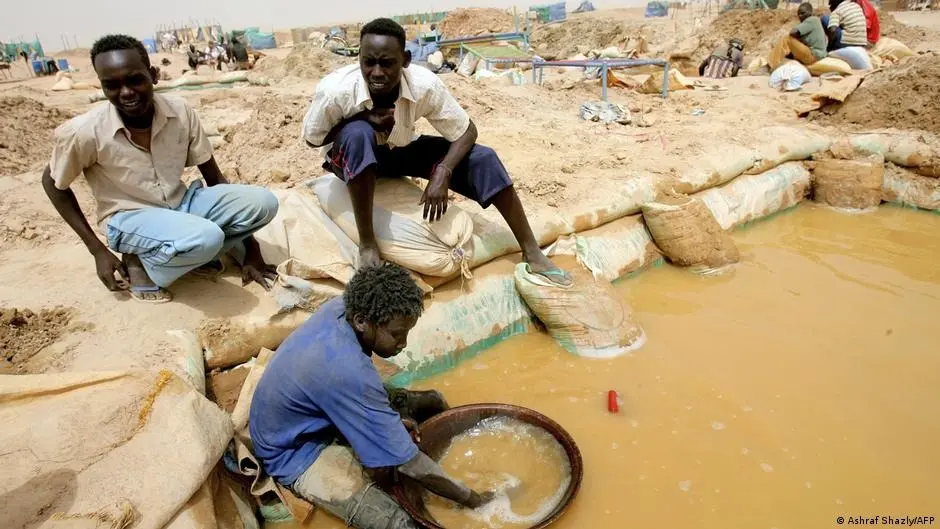
At least 72 workers have been killed following aerial strikes on an artisanal gold mining site in a contested border zone between Sudan and Egypt, according to reports from a prominent Sudanese legal and human rights monitoring organization.
The weekend bombardment struck an isolated, mountainous expanse located just south of the disputed Halayeb Triangle, east of the River Nile. The incident marks the second deadly aerial assault targeting artisanal mining encampments in the frontier area this year, highlighting escalating instability along a boundary increasingly roiled by neighboring warfare, illicit trade, and mass human displacement.
The lethal raid comes at a moment of heightened anxiety in Cairo over the regional spillover of Sudan’s brutal internal war. With the conflict now stretching past three and a half years, hundreds of thousands of Sudanese civilians have fled across the international border, creating logistical, humanitarian, and security dilemmas for Egyptian authorities determined to secure their southern perimeter.
What do we know?
According to Emergency Lawyers, an independent Sudanese legal advocacy and human rights organization that monitors civilian casualties and wartime abuses, the air strikes struck on Saturday across a desolate, rugged tract of territory that the group asserts lies strictly within Sudan’s sovereign borders.
The strikes zeroed in on informal gold extractors operating in the immediate periphery of the Halayeb Triangle. The territorial enclave, perched along the Red Sea coast and stretching inland, has been claimed by both Egypt and Sudan for decades. In recent years, the territory and its adjacent borderlands have evolved into an unregulated economic hub, characterized by informal gold extraction, cross-border smuggling networks, contraband markets, and human trafficking operations.
In a public statement detailing the incident, Emergency Lawyers placed blame directly on Cairo, explicitly accusing the Egyptian air force of carrying out the lethal sorties against the mining encampment.
"The repeated attacks on the gold- and mineral-rich border regions reflect a desire by Egyptian authorities to expand and assert control over Sudan’s natural resources," the rights group stated, characterizing the strikes as an unauthorized military incursion into Sudanese mineral territory.
Egyptian military and civilian officials have not publicly issued a formal response or commented directly on the Saturday strikes. However, Cairo has previously acknowledged carrying out sweeping, large-scale security operations aimed at combating unauthorized gold excavation and related smuggling syndicates operating within what it considers its sovereign border perimeters.
Because the strike zone sits within a heavily militarized, geographically inhospitable, and deeply remote frontier east of the River Nile, independent verification of the exact casualty numbers, material destruction, and flight paths of the aircraft involved remains extremely difficult.
Death toll expected to rise
Local medical monitors have sounded alarms over the condition of those who survived the initial blast waves, indicating that the confirmed tally of 72 dead could climb significantly in the coming days.
The Sudan Doctors Network warned via a statement on Facebook that a further rise in casualties is almost inevitable, pointing to "the severity of some injuries and the difficulties in accessing medical care and essential services in the region."
Because the strikes took place in an austere mountainous area devoid of modern civilian infrastructure, survivors and severely wounded victims are isolated from emergency medical wards, blood supplies, and specialized surgical units. Reaching functional clinics often requires traversing hours of arid desert terrain under difficult security conditions.
Eyewitness accounts emerging from the blast site underscore the scale of chaos that erupted when the munitions detonated over the informal settlement. One survivor, speaking to the AFP news agency, described an expansive, bustling mining encampment hosting thousands of laborers at the exact moment the warplanes struck.
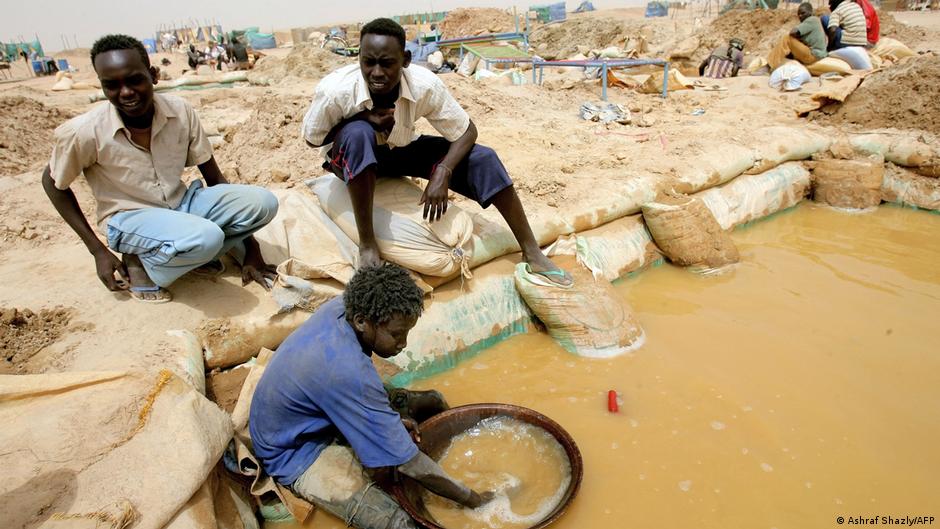
"After the air strike, people scattered. Some people came to Al-Ansary [gold] market, others went in the other direction. That’s why no one knows exactly how many were killed," the survivor recounted, describing crowds of laborers fleeing across open ground to evade secondary strikes.
The panic has made tracing missing laborers particularly complicated. As workers dispersed into adjacent valleys and toward informal trading posts such as the Al-Ansary market, many bodies are believed to have been left behind in collapsed mining shafts or buried under debris in the immediate vicinity of the blasts.
Artisanal gold mining across Sudan has long been characterized by dangerous working conditions, informal labor arrangements, and widespread child labor. Economic collapse spurred by national conflict has driven thousands of impoverished civilians, displaced families, and migrant workers into hazardous, unregulated pits, where they face structural collapses, environmental hazards, and now military bombardment.
Strikes tied to war’s gold economy
The fatal bombardment cannot be separated from the overarching political economy of Sudan’s ongoing civil war, which pits the regular Sudanese Armed Forces (SAF), headed by military junta chief General Abdel Fattah al-Burhan, against the paramilitary Rapid Support Forces (RSF).
The conflict has resulted in over 200,000 deaths and precipitated one of the world’s most severe humanitarian crises. Millions have been uprooted from their homes, and famine conditions have gripped several provinces.
Despite maintaining a diplomatic posture that backs General al-Burhan’s military-led administration in Port Sudan, the Egyptian government regards the persistent fighting along its southern flank as a profound and direct threat to its domestic national security. Cairo faces twin pressures: managing an uncontrolled influx of refugees escaping violence and policing a lawless border zone that has increasingly transformed into a financial engine for armed combatants.
Gold represents the central financial pillar of the Sudanese civil war. The precious metal serves as a high-value currency that keeps fighting units armed, sustained, and operational. The paramilitary RSF has substantially underwritten its war effort by seizing, mining, and smuggling thousands of tons of gold originating from deposits across the Darfur and Kordofan regions.
Much of this mineral wealth moves across shadowy regional corridors rather than official banking channels. According to findings published by the UK-based international affairs think tank Chatham House, as much as 60% of Sudan’s unofficial gold exports ultimately make their way into Egypt’s markets and financial channels.
The flow of illicit gold, managed by networks of independent middlemen, smugglers, and armed cartels, has created a parallel economy that directly connects Sudan’s war zones to border bazaars and foreign buyers. For border authorities, distinguishing between unaffiliated artisanal miners seeking basic survival and organized trafficking outfits funneling assets to combatants has become a source of acute friction.
Saturday’s fatal assault echoes similar actions taken earlier in the summer. In June, aerial bombardments hit artisanal mining sites located within the exact same border corridor. Those strikes were immediately followed by an extensive ground sweep conducted by Egyptian security services.
During that June operation, security forces apprehended hundreds of individuals, including numerous foreign nationals, who were formally accused of operating unauthorized mining enterprises and managing illicit gold-smuggling conduits across the border.
As fighting between the Sudanese Armed Forces and the RSF grinds on without a political resolution, the desert margins dividing Egypt and Sudan remain volatile flashpoints. The lethal strikes south of the Halayeb Triangle demonstrate how the resource battles and economic networks sustaining Sudan’s domestic war continue to spill into disputed borderlands, drawing regional military power directly into deadly confrontations with informal civilian workers.