
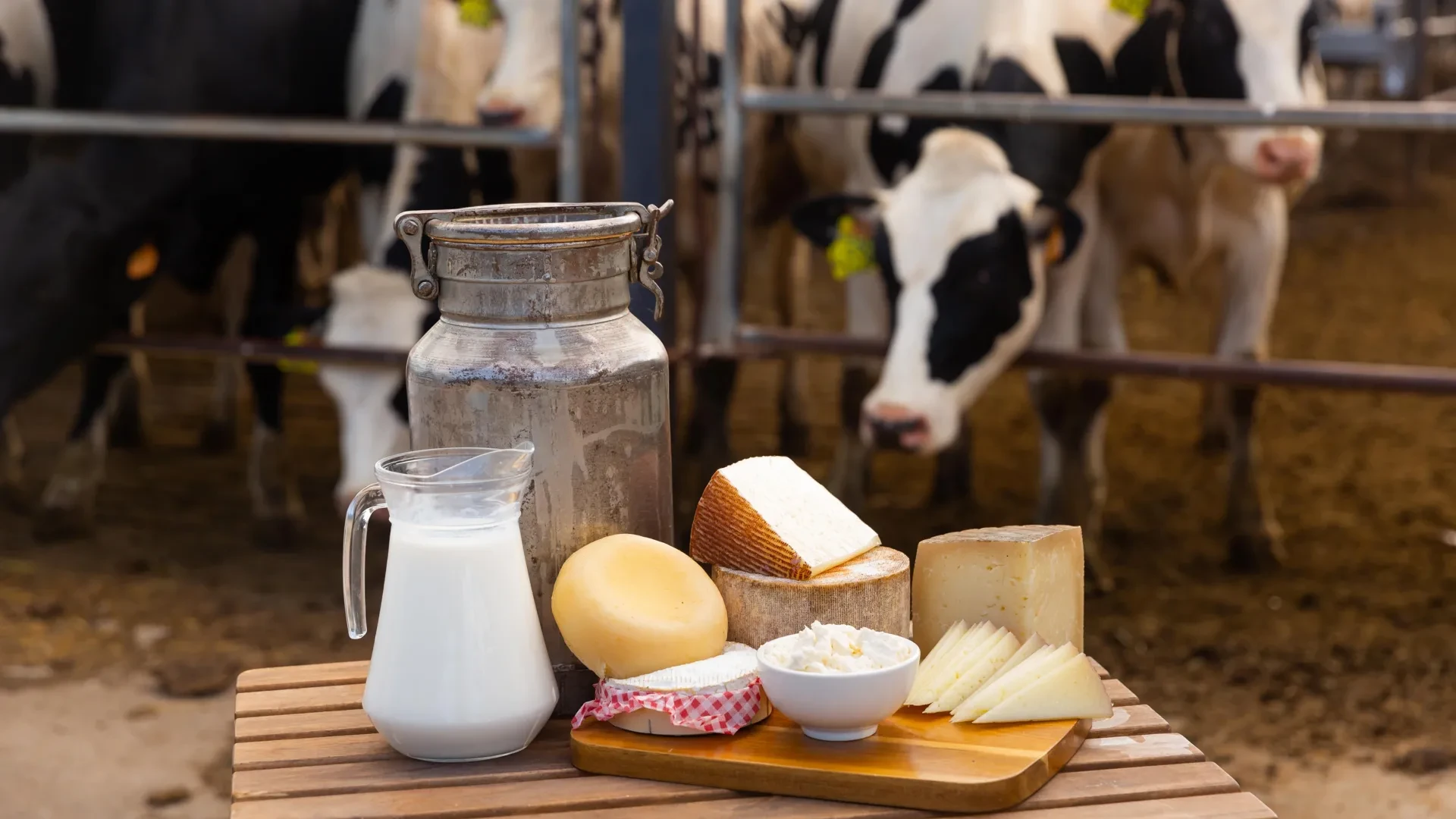
A comprehensive new study has concluded that the trans fats naturally present in everyday dairy foods, including milk, butter, and cheese, do not elevate the risk of heart disease or type 2 diabetes. The research offers a significant reassessment of how consumers and health professionals should view dietary fats, drawing a sharp line between animal-based natural fats and their industrially manufactured counterparts.
Researchers reviewed an extensive body of evidence drawn from 22 separate studies involving thousands of participants across Europe, Canada, and the United States. Their collective findings indicate that naturally occurring dairy trans fats behave in fundamentally different ways within the human body compared to industrial trans fats. While industrial trans fats are strongly and consistently associated with adverse cardiovascular outcomes, the naturally occurring forms found in dairy products did not appear to carry the same health risks.
This first-of-its-kind research has been published in the academic journal Nutrition Research. Beyond its immediate health implications, the study could help consumers better navigate confusing nutritional information and provide greater clarity around food labeling policies. For years, broad sweeping statements about trans fats have created widespread consumer hesitation regarding dairy consumption, a challenge that this research hopes to address.
Professor Ian Givens, one of the lead authors of the study from the University of Reading, addressed the psychological barrier many consumers face when evaluating dietary fats. "People hear the words ‘trans fats’ and assume the worst, but the trans fats in your morning milk, yogurt, butter or cheese are not the same as the ones from industrial partially hydrogenated fats," Professor Givens said. "This research should give people reassurance that dairy, eaten as part of a balanced diet, is not something to worry about for your heart."
Natural and Industrial Trans Fats Have Different Effects
To understand the significance of the new findings, nutrition scientists emphasize the chemical and structural distinctions of trans fats, which are fundamentally a type of unsaturated fat. While they occur naturally in the milk and body fat of ruminant animals such as cows, sheep, and goats due to bacterial fermentation in the rumen, they can also be produced artificially.
Industrial trans fats are manufactured through the chemical process of partial hydrogenation, which transforms liquid vegetable oils into semi-solid fats designed to extend the shelf life of processed foods, baked goods, and fried items.
For decades, industrial trans fats have been strongly linked by health agencies worldwide to an increased risk of heart disease, primarily because they raise levels of low-density lipoprotein cholesterol—often referred to as LDL or "bad" cholesterol—while simultaneously lowering high-density lipoprotein cholesterol, or HDL, known as "good" cholesterol. Because of these well-documented dangers, public health campaigns have successfully driven a global reduction in industrial trans fat usage. However, these sweeping warnings frequently lumped natural and industrial trans fats into a single category. The researchers behind the new review wanted to determine whether the trans fats naturally found in dairy foods should rightfully be viewed in the same detrimental light, or if their biological effects diverged significantly from industrial versions.
Controlled Trials Find No Meaningful Change in Blood Lipids
To investigate this question thoroughly, the international team of researchers examined two main categories of scientific evidence, beginning with controlled dietary trials. The first group of evidence came from ten controlled trials in which human participants consumed dairy foods containing naturally enhanced levels of trans fats. These experimental groups were directly compared against control groups consuming standard, regular dairy products.
During these trials, scientists meticulously measured blood lipid biomarkers, which are standard clinical indicators used to assess cardiovascular health and heart disease risk. Across all ten controlled trials, participants consumed substantial daily amounts of dairy trans fat, ranging between 1.3 and 13.2 grams per day.
Despite these varying and often high intake levels, the analytical results showed no meaningful or statistically significant differences in blood lipid levels between those consuming dairy foods with elevated natural trans fats and those consuming regular dairy products. The biomarkers of heart disease risk remained stable, suggesting that natural dairy trans fats do not exert the same cholesterol-altering pathways that make industrial trans fats so hazardous to the human cardiovascular system.
Long-Term Studies Show No Higher Heart or Diabetes Risk
The second major pillar of evidence evaluated by the researchers came from twelve long-term cohort studies. These large-scale observational investigations followed thousands of individuals over extended periods, with some individual studies tracking participant health outcomes for more than two decades.
In these long-term studies, researchers measured the actual levels of dairy trans fats present in participants’ blood samples and compared those biological markers directly with subsequent health outcomes over time. Across this broad body of longitudinal data, higher levels of circulating dairy trans fats were not associated with an increased risk of heart disease, stroke, or cardiovascular mortality.
Furthermore, the researchers expanded their investigation beyond cardiovascular health to examine metabolic outcomes. They found that higher blood levels of dairy trans fats were likewise not associated with a greater risk of developing type 2 diabetes. By bridging short-term controlled feeding trials with decades-long population health data, the study provides a robust, multi-layered reassurance regarding the safety of including traditional dairy products in daily human nutrition.