
The stock market has an uncanny knack for defying expectations, leaving financial analysts and everyday investors constantly adjusting to its unpredictable trajectory. During a market crash, anxiety naturally surges as retirement portfolios contract. Yet, even when equities surge to record highs and stretch into what many observers characterize as super-charged, historic valuations, a different kind of dread emerges. The prevailing anxiety during these peaks is the anticipation of an inevitable, catastrophic correction, particularly when the current market boom is propelled by the intense, frenzied momentum surrounding artificial intelligence.

For those who have managed to tune out the daily market drama to simply enjoy their lives, the detachment is often an enviable position. However, examining the broader context reveals a familiar narrative. Investors today worry that while artificial intelligence is unquestionably a monumental technological innovation, the speculative mania surrounding it is moving too fast and reaching too far. This dynamic has sparked widespread comparisons to the dot-com bubble of the early 2000s—a boom that happened to launch the early career of prominent financial commentator and blogger Mr. Money Mustache, before the subsequent crash nearly derailed his professional trajectory and citizenship application.

As financial cycles repeat, questions regarding the sustainability of modern investment trends consistently resurface. Recently, these themes were addressed in a specialized presentation delivered at Camp FI Midwest, with plans for an expanded iteration at the upcoming Bogleheads conference. The core discussion centers on a fundamental and persistent question: Can market bubbles like the current artificial intelligence frenzy genuinely ruin a well-planned retirement?

Reflecting on more than two decades of retirement, perspective tends to shift significantly. Concerns voiced by anxious observers often focus on a familiar litany of global anxieties, ranging from geopolitical instability and inflationary pressures to towering national debt and potential military conflicts. Interestingly, these exact anxieties are far from novel. Comparing the prevailing worries of 2026 to those of 2006 reveals a striking continuity. Two decades ago, financial commentators and everyday citizens were equally convinced that looming crises—such as the housing bubble, outsourcing to emerging economies, escalating national debt, and the imminent threat of peak oil—would spell economic disaster.

Yet, looking back at the subsequent twenty years provides a sobering lesson in historical perspective. Despite the onset of the Great Financial Crisis in 2008—sparked by irrational exuberance over real estate and dangerous levels of financial leverage—the broader market demonstrated remarkable resilience. A hypothetical $100,000 investment made during those turbulent years would have grown substantially over the long term, absorbing subsequent shocks like the pandemic-related market contraction of 2020 along the way.

Simultaneously, the global standard of living advanced on multiple fronts. Over the span of two decades, the proportion of the global population living in extreme poverty dropped significantly, infant mortality rates were halved, and clean energy adoption accelerated as solar panel technology became dramatically more affordable. Furthermore, electric vehicle adoption transitioned from a theoretical concept to a substantial share of global automotive sales. These developments underscore a fundamental economic truth that fear-mongering narratives frequently overlook: true prosperity does not originate from abstract financial systems or stock market ticker numbers, which are ultimately human constructs. Instead, prosperity is fundamentally anchored in productivity.

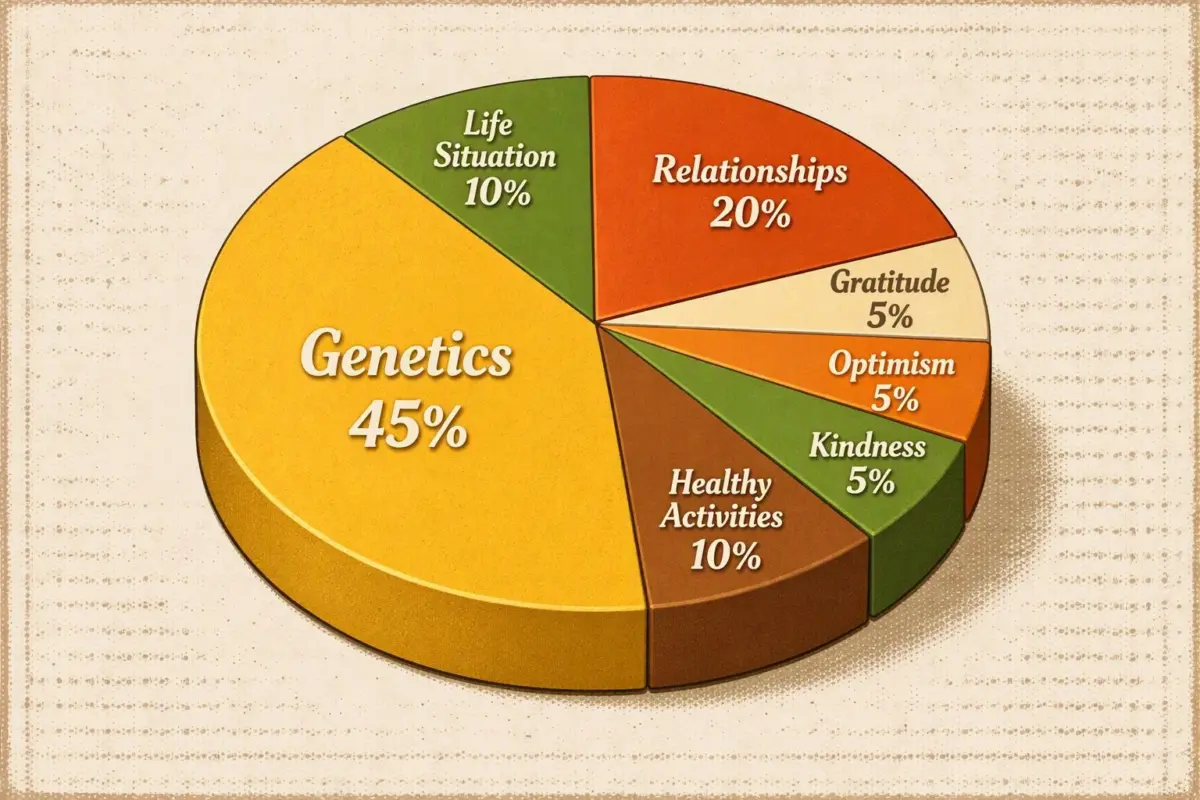
The underlying engine of economic growth and improved living standards has always relied on real people performing real work and generating genuine innovations. When financial systems experience systemic shocks, societies have historically adapted by restructuring their financial metrics and returning to productive labor. Furthermore, once an advanced society achieves a certain baseline standard of living, human happiness relies far less on marginal wealth accumulation and far more on factors within personal control, such as strong interpersonal relationships, optimism, and healthy physical routines.

Despite these historical realities, background anxiety remains a persistent feature of human psychology. Evolutionary biology equipped humans as effective danger-detection machines, designed to identify and respond to physical threats. However, when immediate physical dangers are mitigated, this vigilance does not simply disappear; it frequently shifts its focus toward modern abstractions, such as market volatility, tax optimization, and long-term financial security.

Understanding the roots of personal financial anxiety involves recognizing that fears often stem from personal history, childhood environments, or generational trauma related to economic scarcity. Financial commentators emphasize that identifying specific fears and examining their actual worst-case scenarios can help demystify them. Action often serves as a powerful antidote to anxiety, converting the unfamiliar into the manageable and building personal resilience.

In the context of the modern artificial intelligence wave, experts suggest viewing technological shifts through the lens of experimentation rather than existential dread. While artificial intelligence functions as a powerful driver of efficiency and productivity—often likened to a cognitive tool that enhances human output—it undeniably disrupts traditional labor markets. Entry-level office roles, software development tasks, and transportation sectors face ongoing transformation as the technology matures.

Historically, major technological revolutions—from the advent of the internet to the proliferation of mobile applications—have consistently displaced existing jobs while simultaneously reducing consumer costs and catalyzing entirely new industries. The economic rewards of these transitions often concentrate among enterprise owners and shareholders, a dynamic reflected in recent portfolio valuations for everyday investors participating in public markets.
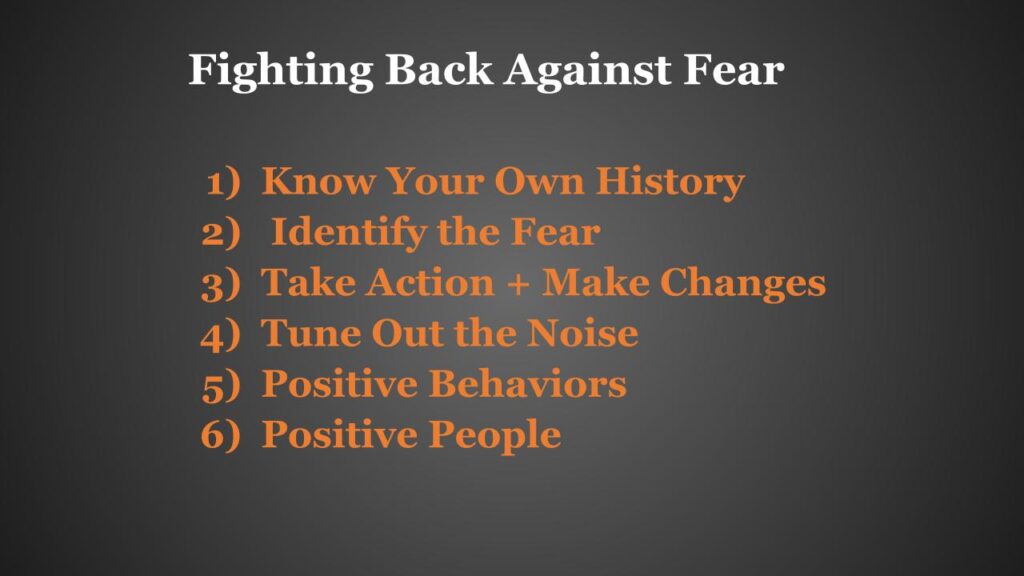
Ultimately, whether artificial intelligence represents a dangerous market bubble or a transformative productivity tool depends largely on how individuals choose to interpret and engage with the changing landscape. By addressing the root causes of financial fear, tuning out sensationalized media narratives, and focusing on tangible productivity and personal well-being, investors can navigate market manias with greater clarity and resilience.