
On the very first day of his second term in office, President Donald Trump formally declared that the United States was experiencing a sweeping “national energy emergency.” In an executive order outlining the administration’s new priorities, Trump laid the blame squarely at the feet of his predecessor, asserting that the “harmful and shortsighted policies of the previous administration” had left the nation’s vital energy resources “far too inadequate.” According to the president’s initial directive, this severe shortfall was what “causes and makes worse the high energy prices that devastate Americans.”
In the months following that declaration, the administration has aggressively attempted to leverage these sweeping executive powers to fast-track permits for fossil fuel development, block the retirement of aging power plants, and bolster the nation’s broader power grid with traditional fossil fuel resources.
Now, almost two years later, as President Trump stares down the political reality of an upcoming midterm election, his initial declaration of an emergency has taken on an ironic ring. The United States is indeed experiencing a profound energy emergency characterized by punishingly high fuel prices, but it is fundamentally not the crisis he described upon taking office. Furthermore, the extraordinary executive powers unlocked by his emergency order have proven entirely useless for mitigating the current crisis or for lowering the high consumer prices he so heavily decried when he first returned to the White House.
“The genesis of the problem is the war in Iran,” said Gbenga Ajilore, the chief economist at the Center on Budget and Policy Priorities, a prominent nonpartisan economic think tank that has closely analyzed the administration’s energy policies. Trump’s military actions against Iran have resulted in the closure of the strategic Strait of Hormuz and the widespread destruction of critical refineries and oil fields across the region. This geopolitical conflict has significantly reduced the global supply of refined fuels, such as gasoline and diesel. The resulting supply crunch for these refined products has proven to be far more severe than the market tightness for crude oil, ultimately hitting consumers and businesses much harder in their daily wallets.
This stark irony highlights a fundamental truth about how the massive, interconnected global fossil fuel system operates. Even with all the expansive powers legally available to the executive branch, the Trump administration has been completely unable to artificially suppress or manage prices for petroleum fuels or electricity. While the White House has successfully muscled through specific oil drilling projects and intervened to keep certain coal-fired power plants open against the wishes of their operators, the markets for global oil and domestic power are simply too massive and complex for these targeted interventions to make any measurable difference in consumer prices. Whether these persistently high prices technically constitute an emergency or not, there is remarkably little the executive branch can do about them—short of bringing an end to the ongoing war in Iran.
“If you reverse that, it may not drop like a rock, but it’s going to start going down,” Ajilore noted, emphasizing the limited utility of domestic regulatory tweaks during a foreign supply shock. “Outside of that, there really isn’t much to do.”
Electricity: Keeping coal plants running
The practical, everyday impacts of President Trump’s energy emergency declaration have primarily affected two key segments of the domestic energy system—precisely the areas where the current president had the most profound and public disagreements with the preceding Biden administration. The first major battleground was the nation’s power grid. Former President Joe Biden had sought to aggressively deploy large new amounts of variable solar and wind power, even as soaring electricity demand driven by a proliferation of energy-hungry data centers strained regional grids. On the campaign trail, Trump had repeatedly promised voters that he would cut energy bills in half, and upon taking office, he directed federal agencies to “identify and exercise any lawful emergency authorities available to them” to forcibly facilitate domestic power generation.
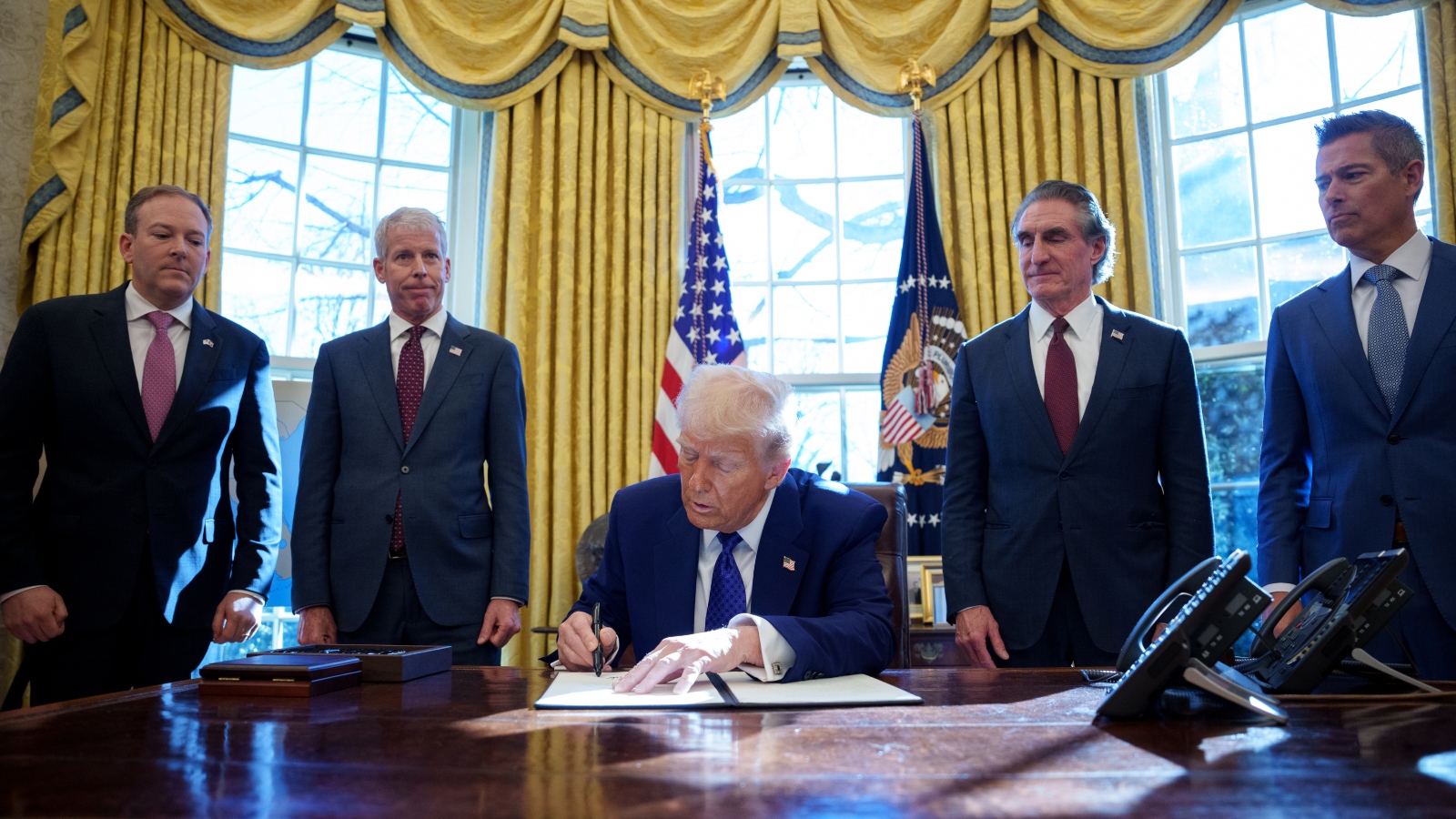
The Department of Energy quickly took that executive order and ran with it. Energy Secretary Chris Wright, a well-known and outspoken champion of fossil fuels, has since issued a series of emergency orders designed to prevent the scheduled retirement of aging coal-fired power plants around the country. In issuing these directives, the secretary argued that increasingly strained grid conditions made it an absolute necessity to preserve every bit of available power generation capacity, overriding the utilities and regional operators that were actively trying to shut the facilities down.
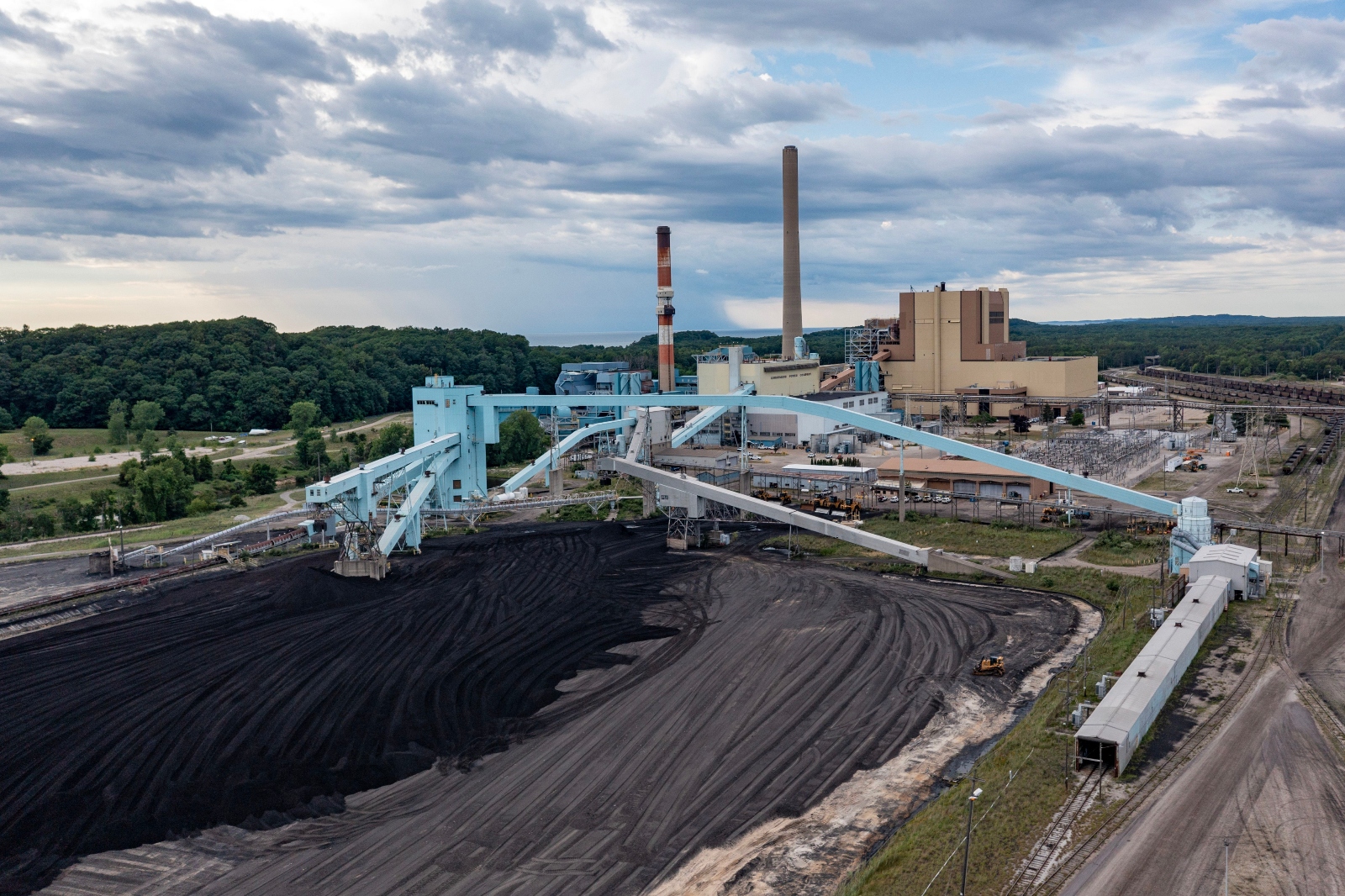
Rather than reducing energy costs for struggling consumers, however, these emergency orders have come at significant financial and operational costs. In Michigan, the federal mandate to keep the J.H. Campbell coal plant open has cost ratepayers across the Midwest almost $300 million on a net basis, even though the plant has been generating far less power than it did before the intervention. In Colorado, a local utility was forced to continue operating an aging coal plant it was fully prepared to retire, despite the facility being badly broken and in urgent need of serious, costly maintenance. In many cases across the country, these targeted plants were among the oldest, dirtiest, and least efficient facilities in their respective regions, meaning that keeping them online does not actually save consumers money, even if they technically add reserve margin to the grid.
Over time, the courts have begun to push back against these aggressive federal interventions. In September, following a lawsuit brought by the state of Michigan challenging the coal plant mandate at the Campbell facility, a federal appellate court blocked the Department of Energy’s order. The court forcefully rejected the administration’s legal interpretation of federal authority. The presiding judge also took sharp issue with the administration’s repeated claims of an artificial energy emergency in the region’s grid, writing that Secretary Wright’s assertion of an emergency was entirely “unpersuasive” and warning that his policy “invites frequent federal interventions that […] threaten the stability of the energy market.”
“We saw in the Michigan case that the facts just don’t match up with the claims and with the law, and I suspect that in some of these other cases, if not all of them, we’ll see similar decisions,” said Melissa Birchard, the mitigation program director at the Georgetown Climate Center, a research institute based at Georgetown Law School. Notably, both the state’s utility commission and the independent regional grid operator had previously rejected the fundamental premise that there was any genuine energy shortage in the area surrounding the Campbell plant.
Crude oil: Drill, baby, drill
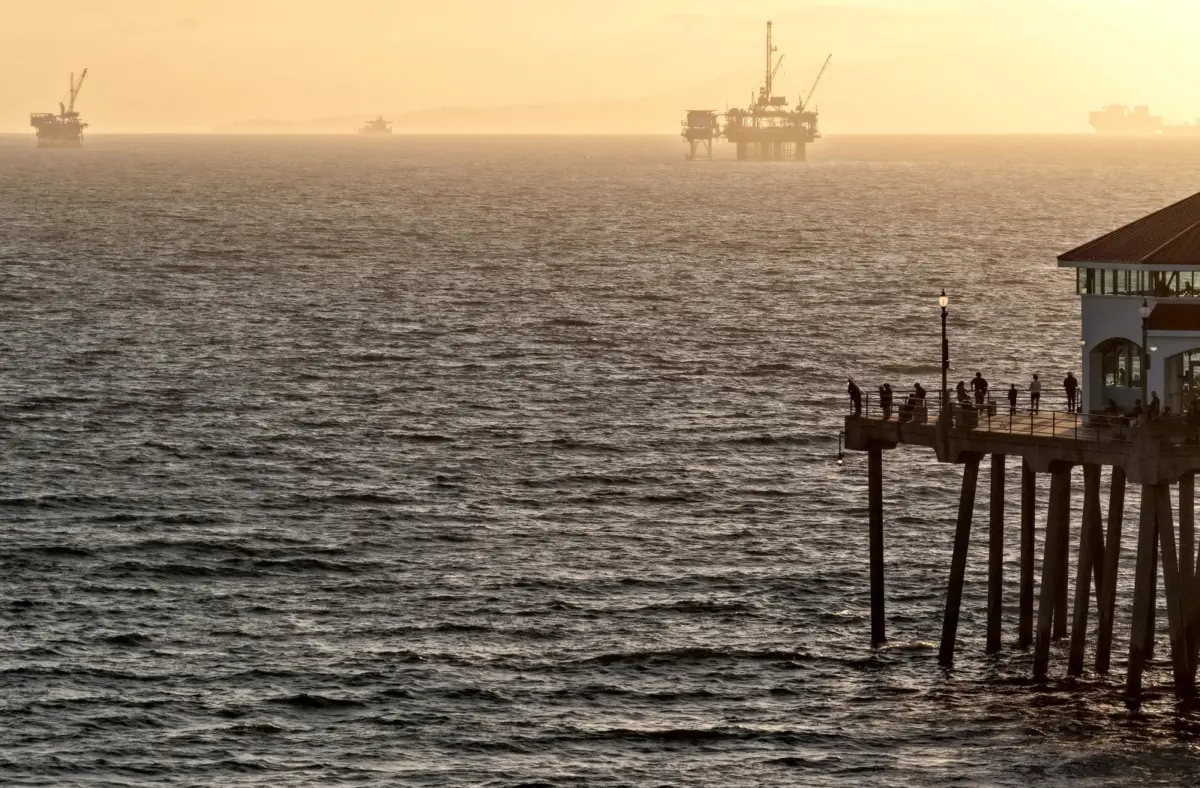
The second major arena where the Trump administration utilized its emergency declaration to aggressively reverse Biden-era policies is the domestic oil and gas sector. Here, too, there was no foundational critical shortage at the time of the order; U.S. oil and natural gas production were both hovering near all-time highs. While President Biden had ultimately approved some large-scale domestic drilling initiatives—such as the massive Willow project in Alaska—he had simultaneously attempted to block new oil and gas leases in the Gulf of Mexico and famously canceled the controversial Keystone XL oil pipeline.
Trump’s executive order sought to steamroll the environmental reviews and procedural permitting processes that had historically slowed down energy infrastructure development. The directive explicitly instructed federal agencies to utilize “all relevant lawful emergency and other authorities” to expedite the construction of new oil wells, pipelines, and related energy facilities. It also sought to waive stringent environmental protections under the Clean Water Act and the Endangered Species Act wherever legally possible.
The order has yielded a few notable victories for the traditional fossil fuel industry. Earlier this year, the Trump administration convened what is formally known as the “God Squad,” an elite committee of Cabinet secretaries vested with the extraordinary statutory power to override the Endangered Species Act. In a meeting that lasted only a matter of minutes, the committee voted to waive all species protections for oil and gas drilling activities across the Gulf of Mexico. This controversial measure directly enabled BP to move forward with a major deepwater rig project known as Kaskida.
Additionally, the executive order directed the U.S. Army Corps of Engineers to rapidly accelerate permitting for pipelines and other heavy infrastructure under the Clean Water Act. Last year, the Corps identified a preliminary list of approximately 600 infrastructure projects that were eligible for this fast-tracked process. While the Corps later withdrew that specific consolidated list, many individual projects housed within its public permitting database remain tagged with the label “energy emergency.” These include Enbridge’s Line 5 oil pipeline replacement project, a mineral sands mine owned by Chemours, and a proposed natural gas pipeline in Florida.
It remains entirely unclear whether and when these specific projects would have moved forward absent the administration’s emergency order, but aggressively expediting them will do nothing to bring down the high consumer prices that Trump highlighted in his initial emergency proclamation. The largest of these undertakings, the Kaskida deepwater project, is still years away from actually producing commercial quantities of oil, and even when operational, it would only yield a small fraction of the petroleum that routinely moves through the Strait of Hormuz in a normal month.
In addition to Michigan’s ongoing legal challenge regarding the Campbell coal plant, roughly a dozen states have filed lawsuits against the Trump administration over the broader emergency order, arguing fundamentally that no actual energy emergency exists within the United States. Legal experts anticipate that the federal courts will view these administration-declared emergencies with the same skepticism displayed in the Michigan litigation.
“We see this accumulated effort to declare emergencies,” Birchard observed. The central legal question moving forward, she noted, is “whether the courts are going to start saying, ‘Hey, one emergency we might have believed, two emergencies we might’ve believed, but now we’re seeing a pattern of many, many emergencies. How do we set up, you know, a set of facts that really supports that many emergencies?’”
Refineries: The weak link
Meanwhile, an entirely separate crisis has steadily unfolded in a critical segment of the broader energy supply chain where President Trump’s executive order has had virtually no practical effect. The United States and the global economy are currently grappling with an acute shortage of refined petroleum products like gasoline and diesel fuel. This tight market has driven prices skyward not only at consumer gas pumps but also for the heavy diesel trucks that haul essential goods across the country.
Retail gasoline prices have remained stubbornly well above $4 a gallon, while the national price of diesel has soared to historical highs exceeding $6 a gallon. Furthermore, the so-called “crack spread”—the closely watched market metric representing the price difference between refined products and crude oil—reached multi-year highs over the summer months.
The primary catalyst for this severe shortage is the ongoing war in Iran, which has effectively closed the Strait of Hormuz and destroyed numerous vital Middle Eastern refineries. Compounding the issue, military attacks on energy infrastructure in Eastern Europe have also knocked out several major oil refineries in Russia. While the physical flow of crude oil through the Strait of Hormuz has managed to partially recover over the past eight months of the conflict—largely due to American military escorts for commercial tankers—and major producers like Saudi Arabia have routed exports through alternative channels to avert a global crude shortage, everyday consumers do not purchase crude oil. They buy gasoline and diesel, which must be processed at massive, highly specialized industrial refineries.
There is very little the executive branch can do to mitigate this specific run-up in refined fuel prices. Refineries across the United States are already operating at or near maximum physical capacity in order to capitalize on exceptionally high profit margins. In fact, many major refinery operators have deliberately delayed scheduled maintenance windows so they can continue producing as much fuel as humanly possible while these high market prices persist.
“Refiners are running close to flat out,” explained Abhi Rajendran, head of research at Energy Intelligence, an analytical firm tracking developments in the oil and gas sector. “They’re making money, but there’s not really any kind of slack to ramp things up.”
The only permanent economic solution to soaring refined product prices would be to physically produce more gasoline and diesel, but the domestic refining system lacks the operational flexibility to do so quickly. There are only a few dozen major refineries operating in the entire country, contrasting sharply with the thousands of active oil wells scattered across the landscape. Each individual refinery has strict operational limits before it must undergo mandatory maintenance. Moreover, modern refineries cost billions of dollars to construct, they frequently experience mechanical breakdowns or weather-related shutdowns, and major energy corporations like Marathon and Chevron see little financial incentive to invest capital in building new facilities domestically. Overall domestic demand for refined products has actually been on a gradual decline over the past few years as passenger vehicles become more fuel-efficient and consumers increasingly adopt electric vehicles.
“Refined product demand has actually been in decline for a long time,” Rajendran noted. “In normal times, [refinery capacity] is more than adequate. There’s no real economic case for new refineries, because if these wars end, then it’s just wasted money.”
While President Trump’s original executive order made passing mentions of the refining sector, it did nothing structural to expand domestic refining capacity. This legislative and regulatory oversight has left the president with few viable policy options. He briefly considered implementing a formal diesel export ban, which would have legally prevented domestic companies from selling American-produced diesel overseas, but ultimately backed off that plan following fierce opposition from the oil and gas industry. In any event, economists pointed out that such a ban would have likely resulted in only a marginal decrease in domestic prices while potentially causing international prices to rise further and prompting refiners to scale back production.
The administration’s alternative initiatives—such as exploring a deal to purchase Russian diesel and encouraging individual states to expand temporary diesel subsidies—are widely projected to have an even more negligible impact on the broader market. For instance, the total volume of diesel that Russia has publicly promised to deliver on an accelerated timeline as part of the president’s recent diplomatic arrangement equates to less than a single day of total U.S. diesel consumption.
The ultimate political and economic upshot is that, barring a sudden and unexpected diplomatic or military breakthrough in Iran, high fuel prices will likely persist throughout the year. While the state attorneys general who sued the Trump administration over the emergency order argue that steep energy prices do not legally constitute an emergency, it is abundantly clear that American households and businesses feel severely strained by their monthly gasoline and power bills.
Recent polling underscores the political vulnerability facing the administration. A Fox News poll found that more than eight in ten Americans are deeply concerned about the rising cost of gasoline, while the University of Michigan’s consumer sentiment index dropped over the summer to its lowest level on record. Furthermore, a recent poll conducted by the Associated Press revealed that two-thirds of Americans directly blame President Trump for the persistent high costs, with only one-third attributing the economic pressure to external factors outside of the president’s control.