
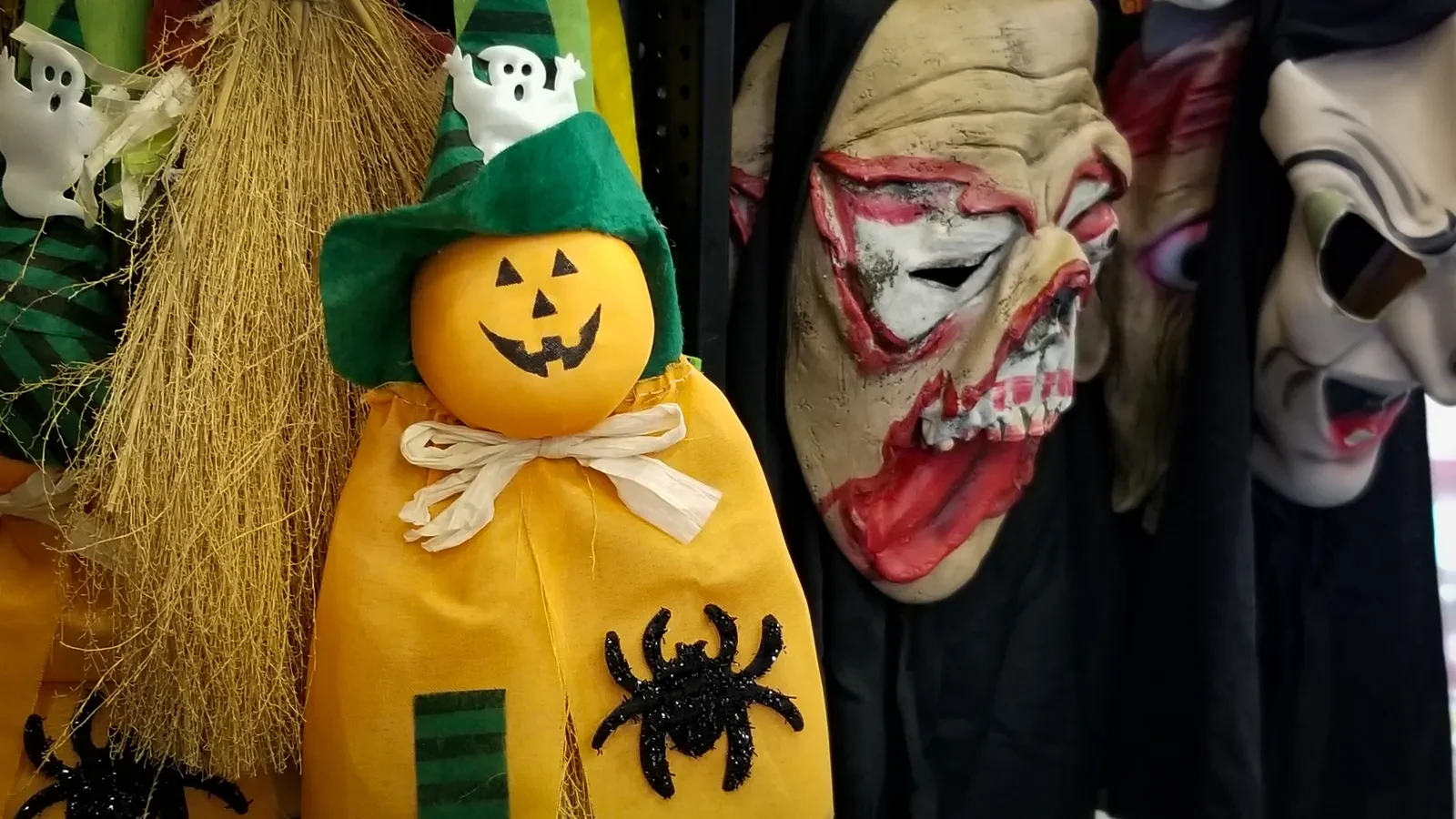
As the autumn leaves begin to turn and storefronts fill up with seasonal displays, a growing sense of financial caution is casting a shadow over the upcoming festivities. According to a recent survey from LendingTree, nearly two-thirds of American shoppers are planning to skip certain holiday purchases this year, cutting back even on core staple items like costumes and candy. The data highlights a broader shift in consumer behavior as persistent inflation, rising prices, and economic anxiety force households to reevaluate their discretionary spending, even for traditional celebrations.
While holiday shopping has historically been viewed as a resilient sector impervious to minor economic downturns, current financial pressures are cutting deep into seasonal traditions. About a third of Halloween shoppers report that they are actively cutting back on decorations for the season, opting to reuse old items or forgo festive displays entirely. This pullback is not occurring in a vacuum; it is part of a larger trend where consumers across various demographics are tightening their purse strings to cope with a tightening macroeconomic environment.
Generational Divide in Holiday Debt and Financial Strain
Although many consumers are spooked about affording their Halloween purchases, the data reveals that some demographics are significantly more financially strained than others. The LendingTree survey underscores a sharp generational divide when it comes to funding seasonal fun through borrowing. Approximately four in ten, or 43%, of Generation Z respondents stated that they are likely to take on debt to cover their Halloween expenses this year. This younger cohort is followed closely by millennials, 35% of whom reported a similar likelihood of going into the red for the holiday.
By contrast, older generations appear far more insulated or conservative with their holiday budgets. Only 14% of Generation X respondents and a mere 2% of baby boomers said they expect to take on debt for Halloween. This disparity reflects broader economic vulnerabilities among younger consumers, who often face higher relative costs for housing, entry-level wages, and the compounding pressures of student loans and everyday inflation.

For those who have previously relied on credit cards or other forms of borrowing to fund their celebrations, the aftermath often brings a heavy dose of financial remorse. Among respondents who admitted to taking on debt for past Halloween festivities, 51% stated that they deeply regret their overspending. When asked why they exceeded their initial budgets, these shoppers pointed to two primary culprits: the psychological and social pressure to keep up appearances, and significantly higher-than-anticipated prices across retail categories.
Rising Prices and the Inflationary Pinch on Holiday Goods
The regret expressed by overextended shoppers is deeply rooted in the harsh economic reality of rising costs. Leading up to this year’s Halloween season, prices for essential holiday goods and related items have continued to climb, putting a strain on household budgets. This inflationary pressure is evident even in adjacent categories, such as children’s toys, which often see heavy purchasing activity during the autumn months ahead of the winter holiday rush.
According to data from the U.S. Bureau of Labor Statistics’ Consumer Price Index, toy prices jumped 4.2% between August and September alone. Looking at the broader annual picture, unadjusted figures from the index reveal that toy prices surged 6.6% compared to the same period a year prior. These steady increases across children’s goods, costumes, and confectionery items mean that consumers are receiving significantly less value for every dollar spent, forcing difficult choices at checkout counters.
To navigate these headwinds, many holiday shoppers have proactively adjusted their shopping strategies. Consumers are increasingly taking advantage of early-season discounts and beginning their holiday shopping much earlier in the year in an effort to stretch their purchasing power. A separate survey conducted by Ibotta sheds light on this cautious mindset, revealing that nearly half (45%) of respondents feel their personal finances are insecure. Furthermore, over 70% of those surveyed emphasized that their primary focus this year is aggressively saving money rather than splurging on non-essential items.

Changing Retail Destinations and Economic Pessimism
Despite the widespread belt-tightening, consumer sentiment remains nuanced. While roughly seven in ten shoppers report that they can comfortably afford their current Halloween plans without derailing their finances, a significant undercurrent of pessimism persists regarding the broader economic outlook. According to a Deloitte survey of 1,500 U.S. shoppers, roughly four in ten respondents (42%) anticipate that the national economy will deteriorate further in the year ahead.
This cautious outlook is visibly altering where and how consumers choose to spend their holiday dollars. To maximize value and keep costs under control, shoppers are increasingly migrating away from traditional specialty stores and toward budget-friendly retail channels. The Deloitte survey found that more than half of holiday shoppers are purchasing their Halloween items at traditional grocery stores, while 40% are turning to discount stores to secure better deals on costumes, candy, and decor.
This shift toward value-oriented shopping is further corroborated by research from the National Retail Federation. Their findings indicate that nearly four in ten consumers (39%) now cite discount stores as their absolute top destination for purchasing Halloween products. As retailers prepare for the peak of the autumn shopping season, the clear preference for affordability underscores a consumer base that is determined to celebrate, but only on terms that protect their long-term financial health.