
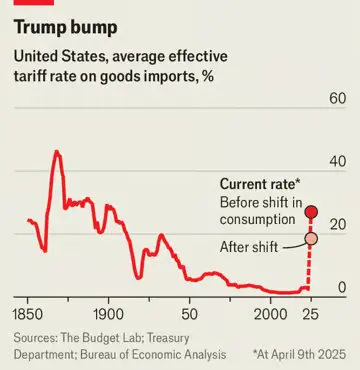
The financial markets have spent the better part of the year behaving like a circus tent caught in a hurricane. Following a multi-year climb that peaked in early 2025, the stock market embarked on a wild roller coaster ride defined by some of the steepest drops and recoveries in modern history. At its lowest point, the market shed a full 20% of its value before mounting an aggressive recovery that brought major indices right back near their previous peaks.
While market volatility rarely arrives with a single, neatly labeled explanation, financial observers point to one primary driver behind the recent turbulence: sweeping global tariffs. As governments and international trade partners engage in high-stakes maneuvering, businesses are bracing for structural changes, currencies and interest rates are reacting in real time, and everyday investors are left wondering what the future holds for their long-term portfolios. Reactions among the investing public range widely from dismissal to deep concern, leaving analysts to parse the economic reality behind the rhetoric.

What is a Tariff?
At its core, a tariff functions as a sales tax levied by a government on goods imported from abroad. These duties are paid directly by the importing entity—whether that is an individual consumer purchasing a product across international borders or major retail corporations bringing in merchandise by the shipload. Ultimately, these costs are passed down to the end consumer, as retailers must raise prices to maintain profit margins when their supply chains become more expensive.
Tariffs also impact domestic infrastructure and construction. When major corporations undertake large-scale building projects, import duties on essential materials like steel, copper, and lumber artificially inflate overall project costs. Because residential housing relies heavily on internationally sourced building materials, tariffs exert upward pressure on housing prices across the board.

Like any broad-based sales tax, tariffs generally slow economic activity and reduce consumer spending power by raising the cost of living. While the revenue flows directly into government coffers, potentially aiding the national budget, economists emphasize that the broader economic drag often outweighs these localized fiscal gains. Stable, predictable tax regimes are traditionally viewed as essential for healthy economic planning, a principle that has been tested by the frequent and unpredictable shifts in recent trade policy.
The Arguments For and Against Protectionist Policies
Governments occasionally implement tariffs to protect domestic industries from foreign competition. By placing a heavy tax on imported goods, policymakers can artificially make domestic alternatives more financially attractive. For example, taxing imported automobiles can drive consumers toward domestic manufacturers, boosting sales, increasing corporate profits, and potentially leading to expanded domestic hiring and factory production.

However, this protectionist approach comes with significant trade-offs. While protected industries and their workers may benefit in the short term, consumers bear the burden through higher prices and diminished choices. Furthermore, when domestic manufacturers are shielded from international competition, they often face reduced incentives to innovate, streamline operations, or improve efficiency over the long term.
Economists generally agree that tariffs should be deployed sparingly, as their secondary effects typically include decreased overall employment, slowed economic growth, and reduced efficiency. While targeted tariffs are sometimes justified for national security or critical resource protection, broad-based trade restrictions frequently introduce widespread economic friction.
The Broader Economic Impact and Future Scenarios
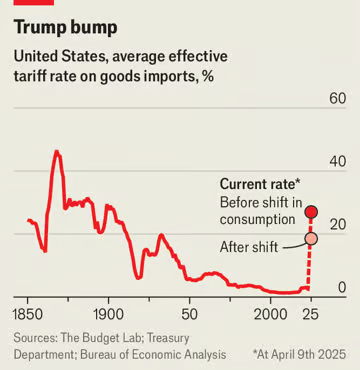
The current trade landscape has left many market participants questioning the long-term trajectory of global commerce. Proponents of aggressive tariff policies often focus on the immediate, visible benefits—such as increased hiring in a specific protected sector—while overlooking the broader, system-wide inefficiencies introduced across the rest of the economy. When trade barriers rise, share prices typically react negatively as corporate leaders anticipate higher operating costs and compressed margins. Conversely, news of paused or reduced trade tensions frequently triggers market rallies, reflecting investor optimism regarding stable commercial relations.
Despite the dramatic headlines and shifting policy announcements, the U.S. economy operates much like a massive cargo ship: it possesses a vast inventory and takes considerable time to change direction. Following the initial rollout of trade restrictions, importers rushed to stockpile goods, delaying the immediate impact on consumer price tags. As those accumulated stockpiles gradually deplete, economists warn that price increases and potential supply chain bottlenecks could materialize, depending on how international trade negotiations unfold in the months ahead.
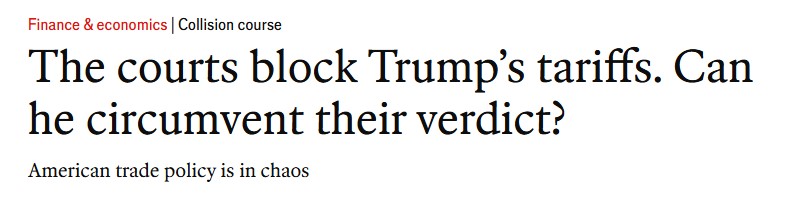
Financial markets have shown resilience, with major stock indices recovering much of their earlier losses as investors bet on an eventual return to stable international trade norms. As legal challenges and institutional checks and balances continue to test the boundaries of executive trade authority, market participants remain focused on the fundamental principle that global commerce ultimately thrives on predictability, cooperation, and open borders.