
It all began last winter when a routine online purchase led to an unexpected invitation. After happily buying a heated vest to beat the cold weather and leaving an honest five-star review on Amazon, the customer received an automated email bearing a congratulatory message: "Congratulations! You’ve been selected to join Amazon Vine for writing helpful reviews!"

For anyone familiar with online shopping, the concept of Amazon Vine is well-known. Participants, typically dubbed "Vine Voices," are granted the opportunity to order a wide variety of goods from the platform entirely free of charge, with the sole requirement that they agree to review at least 80 percent of the items they select. The prospect sounds appealing to most consumers—after all, receiving free merchandise in exchange for doing something many people already do voluntarily feels like a win-win scenario. Without giving the matter much deeper thought, the terms and conditions were accepted, unknowingly kicking off a nine-month psychological experiment.
Reflecting on the experience, there were genuine financial upsides. The initial motivation partly stemmed from a desire to save money by acquiring items that would have been purchased anyway. Over the course of the experiment, thousands of dollars were saved on tools, materials for a construction business, and a coworking space, all obtained at no cost through the program. Furthermore, the entire endeavor served as an inadvertent psychological case study. Yet, the experiment also exposed how easily modern incentives and digital nudges can override deeply ingrained frugality instincts, turning leisure time into unpaid labor.

Examining the journey through the lens of behavioral science reveals how easily even seasoned practitioners of frugality can fall prey to corporate design tactics. Drawing on insights from Michael Easter’s book "Scarcity Brain"—which explores how gambling platforms, modern marketing, and social media algorithms exploit evolutionary vulnerabilities—the parallels to the Amazon Vine program become striking.
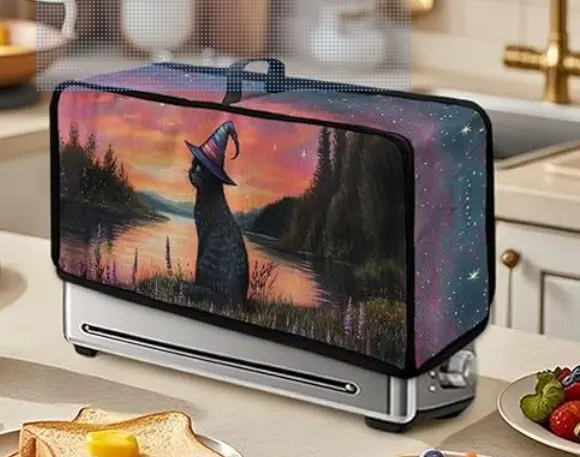
The program mirrors the structure of an online casino or a continuous social media feed. Every time a user logs into the exclusive reviewers-only Vine website, a fluctuating inventory of goods appears. Much like pulling a slot machine handle, the rewards are entirely unpredictable. A search for essential household goods might yield endless pages of irrelevant items, such as disposable pink plastic party plates or a bizarre toaster cover featuring a cat wearing a witch hat.

However, interspersed among the clutter are genuinely useful items: high-quality light fixtures, specialized tools, plumbing parts, electric vehicle chargers, and apparel. Over the months, these finds included practical supplies as well as more whimsical acquisitions, such as a striking eagle-themed shirt and a supply of surprisingly realistic artificial plants that brightened up hard-to-water courtyard areas. Friends and coworkers were frequently roped into the bounty, helping to select and review items they could keep, turning the process into a shared community game of laughing at absurd consumer goods.
Despite the occasional useful score, the underlying mechanics of the program began to take a psychological toll. The compulsion to check the Vine page daily—even when nothing was actively needed—demonstrated the powerful grip of scarcity and variable rewards. A rush would occur when a desired item finally appeared, prompting an immediate order before someone else claimed it.

Once the packages arrived, they were unpacked and photographed with assembly-line efficiency to facilitate batch-written reviews once a week. This routine consumed time that could have been dedicated to more fulfilling pursuits. Moreover, the acquisition of questionable items generated unnecessary manufacturing waste and cardboard packaging pollution, directly contradicting core personal values centered on sustainability and mindful living.
The escalation of this consumerism bender created noticeable friction in daily life. Deliveries arrived almost daily, causing recycling bins to overflow with cardboard boxes. Frivolous purchases drew amusement and gentle teasing from family members, leading to a habit of discreetly hiding packages to avoid scrutiny.

Eventually, this behavior triggered a natural recovery phase. The habit had persisted largely out of laziness and a form of procrastination. Ordering items online provided a hollow illusion of productivity, masking the more demanding effort required to pursue truly enjoyable and meaningful activities. Rediscovering the joy of daily physical exercise, making tangible progress on construction projects, and using technology as a creative tool rather than an entertainment medium helped break the cycle.
At the same time, the inherently frustrating aspects of the Vine program accelerated the recovery process. Sifting through endless screens of useless trinkets ultimately generated more annoyance than satisfaction. Furthermore, the design of the platform deliberately reminds reviewers of their status as low-wage labor rather than valued partners. The search functionality is intentionally rudimentary, lacking sorting or filtering tools designed to save the user’s time. Instead, the platform relies on friction to keep users engaged with the entire catalog.

Compounding this dynamic were the bureaucratic quirks of the automated AI evaluation system. Completely factual, tame reviews were occasionally flagged for allegedly violating community standards without any explanation. Satisfying the algorithm required arbitrarily altering words or punctuation until the system relented, highlighting the absurd nature of the workflow.
This experience drew striking parallels to traditional corporate employment and previous gig-economy experiments, such as a stint driving for rideshare services. In these systems, workers are handed a rigid set of rules and tasks without any meaningful control or authority to improve the underlying framework. For individuals who have achieved financial independence, submitting to bureaucratic whims highlights the immense value of autonomy.

A critical financial consideration of the Amazon Vine program involves tax reporting. Contrary to popular assumptions, free merchandise is not entirely tax-free. Program administrators track the retail value of all acquired items and issue a Form 1099 at the end of the year, effectively converting the "free" goods into taxable income based on the recipient’s marginal tax rate.
An account review revealed approximately $7,000 worth of acquired goods, carrying a potential tax liability at a marginal rate of roughly 25 percent. The majority of these items—about 75 percent—were allocated to commercial use for business and facility renovations, successfully converting them into business expenses rather than a personal tax burden. Other items included necessary household goods, alongside a minor fraction of frivolous purchases resulting from impulsive ordering.

Fortunately, community guidance provided a valuable realization regarding tax valuations. Under specific valuation guidelines for opened and reviewed merchandise, the declared value of items can often be substantially reduced due to the elimination of resale value, significantly lowering the anticipated tax impact.
Moving past the experiment required breaking the digital habit loop. Rather than formally canceling the account, a classic keystone habit adjustment was deployed. The browser bookmark for the Vine page was redirected to a personal consistency tracker, which prompts the user to engage in physical exercise instead of browsing for goods.

While engaging in this critical reflection might violate the informal boundaries of the program, the broader lesson transcends online review systems. The experience serves as a reminder to continuously evaluate personal assumptions, habits, and lifestyle patterns. By remaining self-reflective and receptive to feedback, individuals can make small course corrections that accumulate into profound changes over the course of a lifetime.