
Financial markets have a persistent habit of surprising investors, shifting rapidly from devastating downturns to record-breaking, seemingly unsustainable valuations. As major indices reach new heights driven by the current frenzy surrounding Artificial Intelligence, many investors find themselves caught in a familiar cycle of apprehension. The prevailing anxiety is that today’s boom will inevitably culminate in a crash far eclipsing the dot-com bubble of the early 2000s—a historic market cycle that shaped early career paths and nearly derailed personal milestones for many who lived through it.

For those who have tuned out the daily financial drama to focus on everyday life, the core narrative of the artificial intelligence boom can be understood through a few fundamental developments. Rapid advancements in machine learning models, massive capital expenditures by technology conglomerates, and soaring valuations across semiconductor and cloud computing sectors have pushed market indices upward. Investors are increasingly questioning whether the mania is moving too fast and pushing valuations too high, threatening to trigger a severe market correction that could jeopardize retirement portfolios.

Veteran financial commentators who navigated previous economic upheavals note that current anxieties mirror those of past decades. Reflecting on market psychology over a span of two decades reveals that background fear is a constant companion for news-watching investors. Looking back twenty years to 2006, market participants faced an entirely different set of existential worries. At the time, anxiety centered on the escalating housing bubble, geopolitical instability in the Middle East, high national debt, inflation, and the threat of widespread job outsourcing to overseas markets like India and China. There was even intense public debate over "peak oil," with widespread fears that depleting fossil fuel reserves would permanently cripple global economic growth.

Despite those significant concerns, the subsequent twenty years demonstrated the remarkable resilience of global markets. Even when the Great Financial Crisis materialized—driven by a combination of irrational exuberance in real estate prices and excessive financial leverage—long-term equity investments continued to grow substantially over time. Broad economic indicators also showed profound global progress over the same period. The proportion of the global population living in extreme poverty dropped significantly, infant mortality rates were halved, and clean energy adoption surged as the cost of solar technology plummeted, making solar generation a dominant source of new energy capacity worldwide. Sales of electric vehicles similarly transitioned from a novelty to a substantial share of the global automotive market.

This historical perspective raises a fundamental question for modern investors: is the current AI-driven market cycle fundamentally different, or is it merely the latest iteration of cyclical market exuberance? While financial media outlets frequently generate compelling narratives about impending doom, economic historians emphasize that long-term prosperity is fundamentally anchored in productivity rather than the fluctuations of computer-generated financial metrics.

True economic progress stems from human productivity, innovation, and the ongoing development of practical tools that enhance efficiency. Throughout history, financial systems have periodically undergone severe corrections, yet society has consistently rebuilt and adapted by introducing new frameworks and productivity-enhancing technologies. The fundamental standard of living and long-term economic growth rely on high productivity rather than speculative market sentiment.

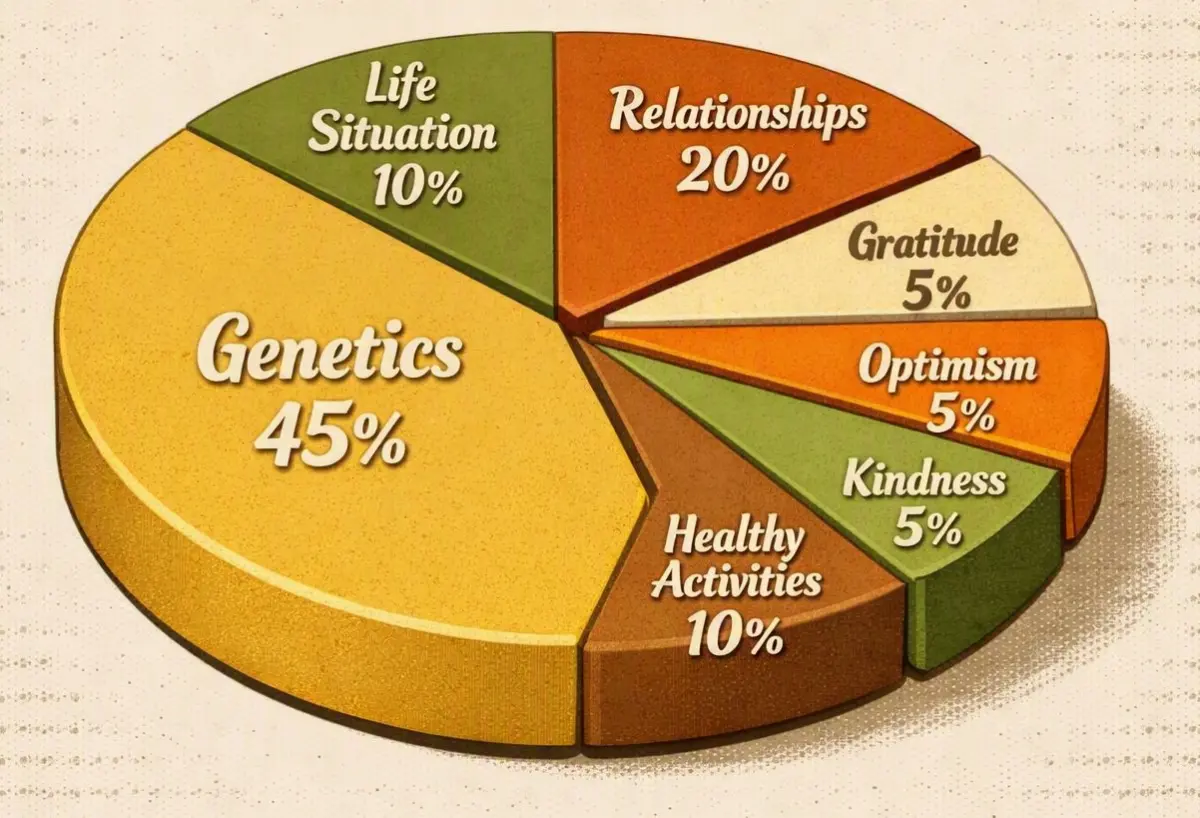
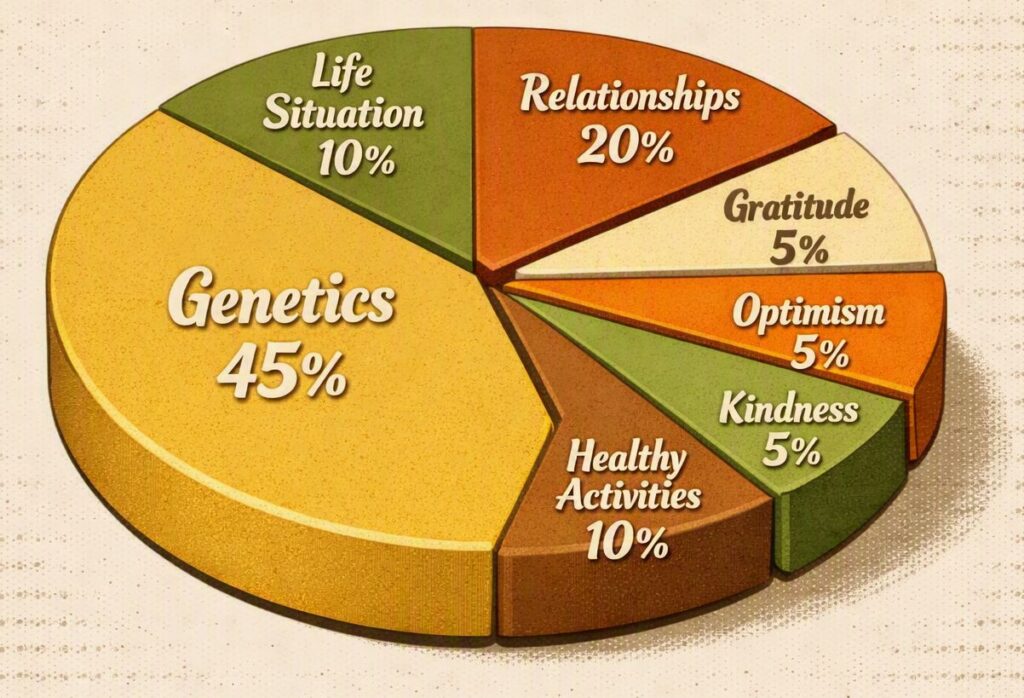
Beyond financial metrics, psychological research indicates that human happiness and fulfillment depend on factors far broader than net worth or stock market performance. While financial stability is a necessary baseline in developed nations, overall well-being is heavily influenced by personal relationships, physical health, a lifelong philosophy of optimism, and engagement in outdoor activities. Genetic predispositions and lifestyle choices consistently outweigh portfolio values in determining long-term life satisfaction.

A major driver of ongoing financial anxiety is the innate human tendency toward risk detection. Evolutionary biology has shaped human beings into danger-detection machines, meaning that background fear is an inherent trait designed to protect individuals from physical threats. However, when immediate physical dangers are resolved, this cognitive machinery often shifts focus toward abstract concerns, such as economic scarcity, social standing, and financial security. This constant shifting of goalposts can trap individuals in a persistent cycle of worry, even after achieving long-term financial independence and security.

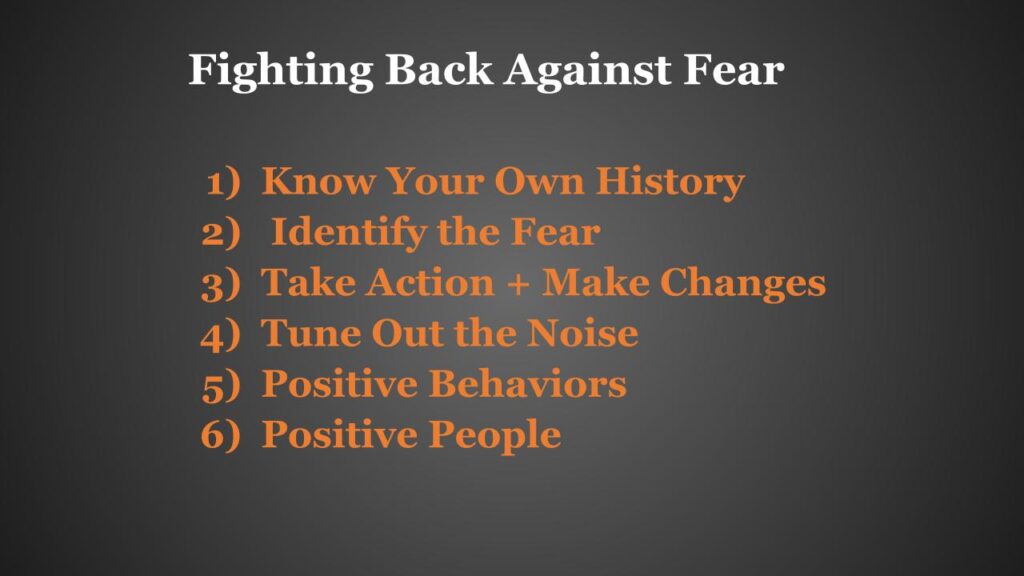
Combating this pervasive anxiety requires self-awareness and a critical examination of personal history and media consumption. Many individuals internalize scarcity mindsets from their upbringing, while others carry residual stress from past hardships. Recognizing that these fears often stem from historical conditioning rather than objective present-day realities is a crucial first step toward rational decision-making.
Furthermore, reducing exposure to sensationalized daily news cycles can significantly improve mental well-being. Modern news media largely relies on highlighting the most alarming daily stories to capture attention, which can distort an individual’s perception of risk and progress. Cultivating positive behaviors, maintaining physical health through outdoor activity, and surrounding oneself with optimistic, productive peers serve as effective countermeasures to chronic apprehension.

Applying this experimental mindset to technological shifts like artificial intelligence helps reframe potential disruptions from sources of dread into subjects of fascination. Rather than yielding to doom-scrolling, analyzing the underlying mechanics of AI reveals both significant opportunities and distinct challenges. From an economic perspective, artificial intelligence functions essentially as a cognitive productivity tool, capable of vastly increasing efficiency across various industries.
While technological advancements inevitably displace certain traditional administrative and operational roles—much like previous waves of automation and software integration—they simultaneously reduce costs, enhance productivity, and foster the creation of entirely new economic sectors. Similar to the rise of the internet and mobile computing, the structural shifts driven by artificial intelligence will require adaptation from the workforce while ultimately contributing to broader economic expansion.

Ultimately, navigating market volatility and technological evolution requires a shift in perspective. By understanding the root causes of personal fear, focusing on tangible productivity, and treating life’s uncertainties as manageable experiments, individuals can better evaluate both financial risks and emerging technological innovations with clarity and resilience.