
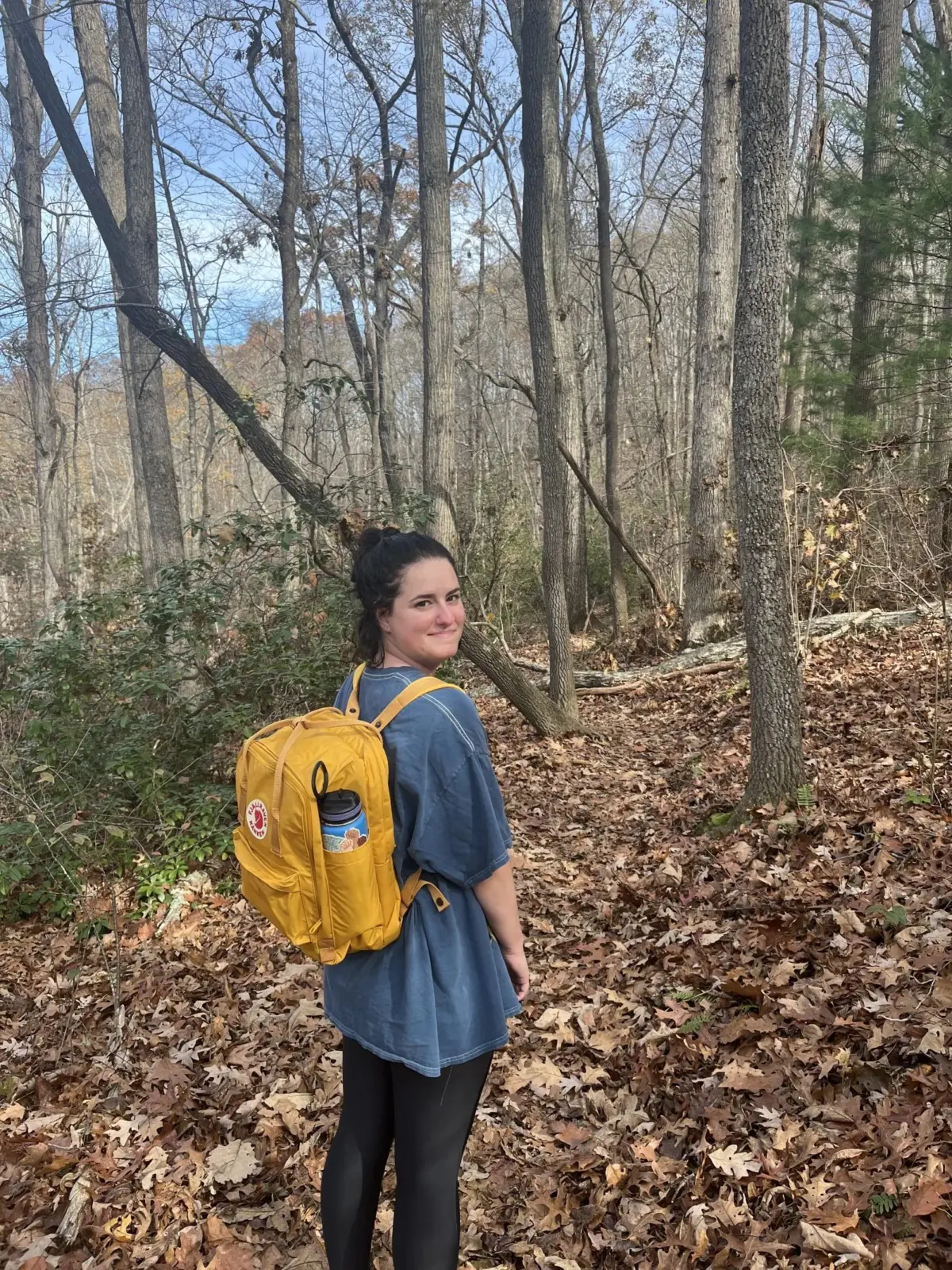
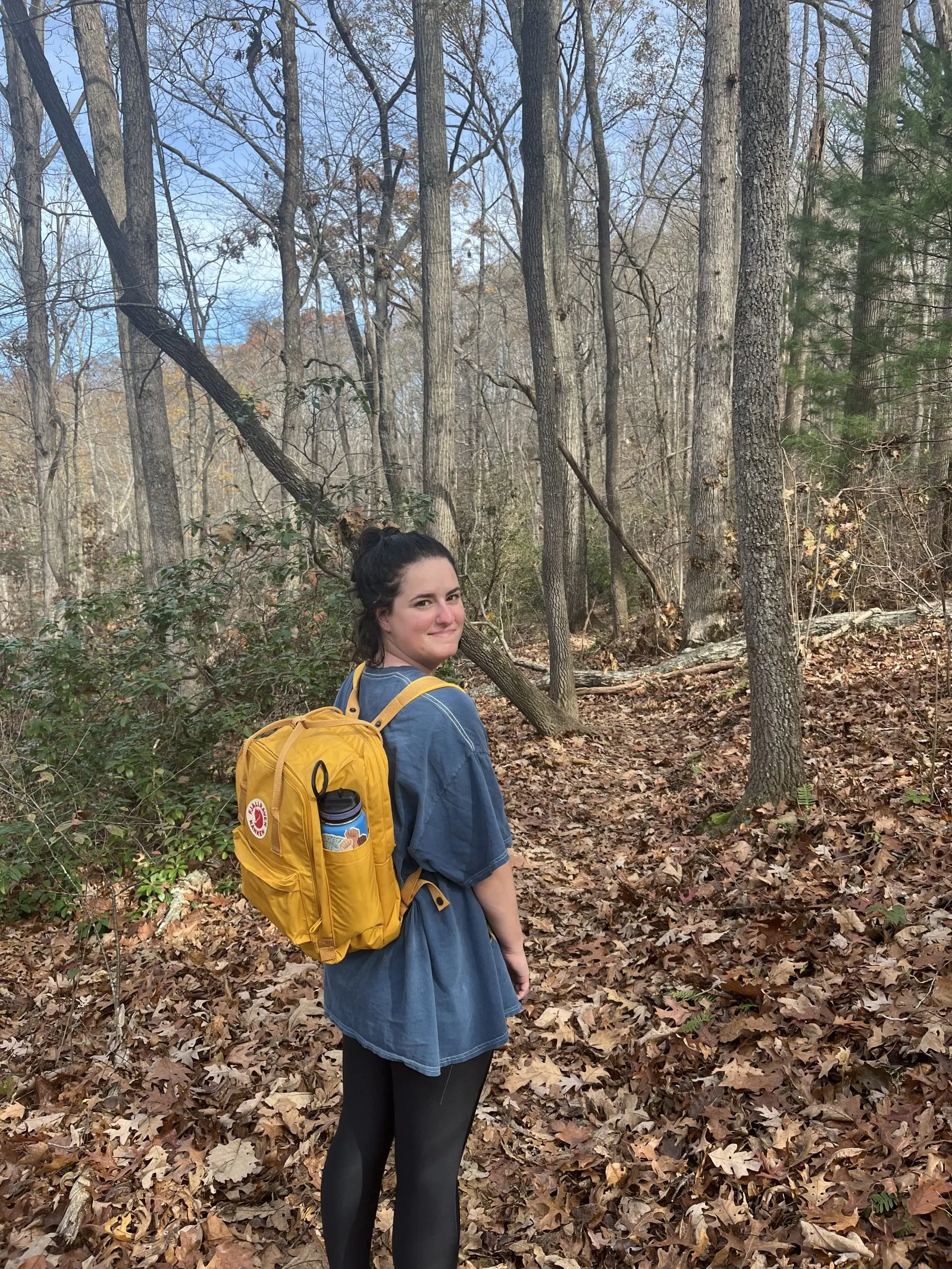
To Sierra Isley, the classic American Dream has long been defined by a timeless image: a home ringed by a white picket fence. Growing up, the 26-year-old saw the house in the suburbs as an inevitable milestone. It was what she was taught to expect, and what she constantly saw portrayed on television. Though what she envisioned for her personal life diverged slightly from that traditional ideal, the prospect of purchasing her first home two years ago still represented a chance to live out what she called "that big dream that everybody has as a kid."
Isley and her girlfriend, Jamie, were in the middle of a major life transition, moving from Philadelphia to Asheville, North Carolina. They believed they had found the ideal property—a charming three-bedroom brick house boasting an abundance of natural light and a large, welcoming tree standing out front. With financial assistance from their parents, they successfully managed to put down a deposit, and their offer was promptly accepted by the seller.
However, just as they reached the finish line, a major legal complication derailed the transaction. When they went to review and sign the final closing papers, they discovered that the house was burdened by a massive, unresolved lien. After consulting with qualified legal counsel, Isley and Jamie made the difficult decision to break the contract, walk away from the property, and begin hunting for an apartment to rent instead in the Asheville area.
As it turned out, that initial disappointment proved to be a blessing in disguise. Exactly one month later, while Sierra and Jamie were still busy unpacking boxes and assembling furniture in their new rental, the devastating remnants of Hurricane Helene tore through Western North Carolina, turning Asheville into an unexpected disaster zone. Though the basement of their rented apartment did flood, they ultimately emerged far luckier than many of their new neighbors, whose homes were completely destroyed by the rushing waters.
For generations, owning a home has been viewed as an absolute cornerstone of the American Dream—a reliable vehicle for building generational wealth that could later be leveraged to fund a child’s higher education or support a secure retirement. Yet, that financial arrangement has always been far more precarious than public mythos suggested. Today, however, as increasingly frequent and severe fires, floods, and natural disasters batter communities and drive up property insurance rates at unprecedented speeds, pouring one’s entire life savings into a residential structure has transformed into a financial gamble more dangerous than ever before.
In a prominent research report entitled "Property Prices in Peril," the analytical firm First Street projected that escalating climate risks could strip nearly $1.5 trillion off the cumulative value of American residential real estate by the year 2055. For many families across the country, as sociologist Rebecca Elliott noted in academic literature, the traditional American dream of homeownership risks becoming a stark nightmare.
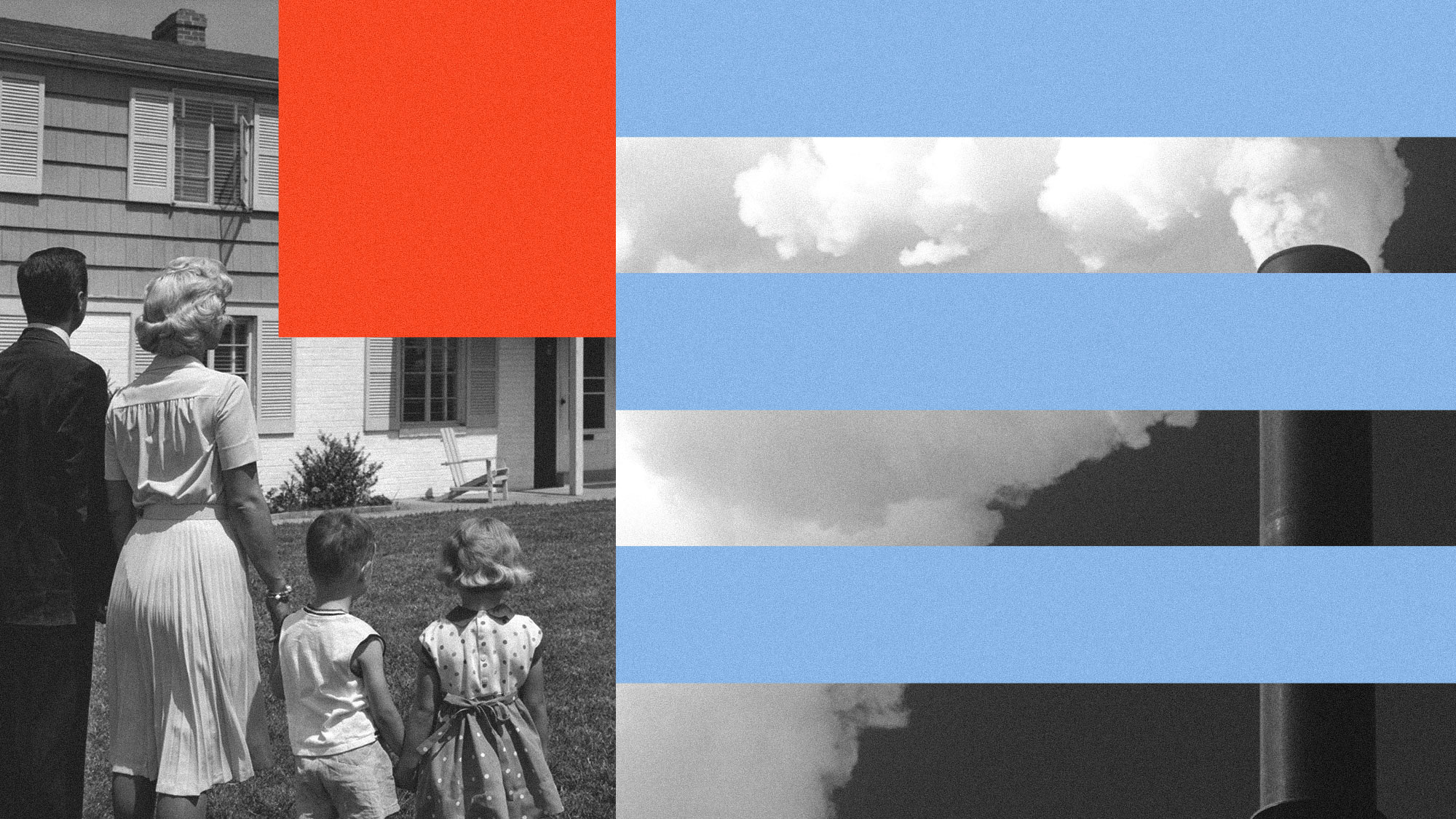
The American public is increasingly waking up to the profound threat that global climate change poses to their long-term personal aspirations. According to exclusive polling conducted for Grist by the progressive think tank Data for Progress, 58 percent of likely U.S. voters now believe that climate change will actively hinder their ability to achieve the American Dream over the next two decades. This anxiety cuts across partisan lines, shared by 42 percent of surveyed Republicans. The survey highlights a widespread underlying fear that climate disruption will continuously inflate the everyday cost of living, a persistent worry shaping contemporary political landscapes.
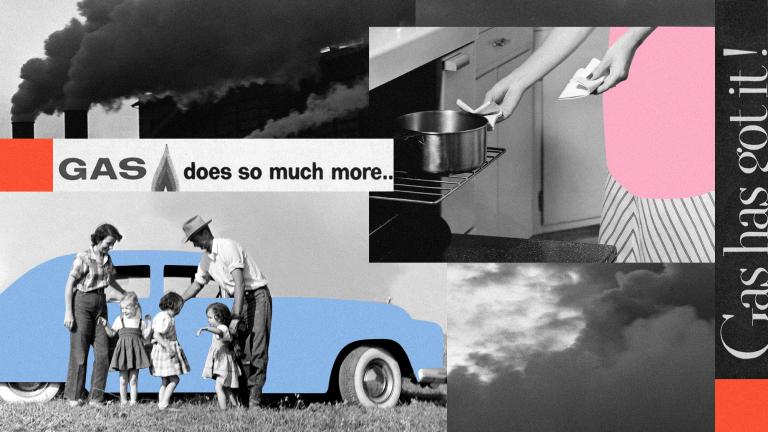
The central irony of this crisis lies in the historical messaging surrounding fossil fuels. For well over a century, oil and gas companies spearheaded extensive public relations and marketing campaigns designed to intimately tie their products to domestic comfort, mobility, and economic prosperity. This curated narrative has been repeatedly invoked by corporate executives and political figures alike to resist and thwart systemic climate action.
The administration of Donald Trump, for instance, has frequently argued that aggressive government efforts to rein in fossil fuels directly threaten the American Dream. Earlier this year, when the federal administration officially dismantled a series of Biden-era regulations aimed at cutting automobile emissions, alongside stripping the Environmental Protection Agency of certain broad authorities to regulate climate change, officials explicitly touted the deregulatory package as a vital measure aimed at restoring the American Dream.
Yet, the traditional fossil-fueled framework of prosperity is actively caught in a cycle of self-destruction. The relentless accumulation of greenhouse gas emissions from burning coal, oil, and natural gas has ushered in an era of acute economic and environmental precarity, fundamentally undermining the post-war promise that each successive generation can safely expect a higher standard of living than the last. Comprehensive scientific reports from international bodies warn that unchecked climate change is actively imperiling the baseline quality of life for communities across the United States, disrupting regional livelihoods and long-standing cultural traditions alike.
As experts point out, society faces a stark choice: Americans must intentionally decide to reimagine what constitutes true prosperity and abandon the oil-soaked version of the American Dream, or climate change will inevitably dismantle it for them.
The memory of enduring Hurricane Helene remains vivid in Isley’s mind. She recalls the grueling physical reality of hauling water up from their flooded basement just to pour it into the toilet tank so it could flush after municipal water services failed completely. She remembers packing into a car to drive down to Jamie’s parents’ house in Atlanta, where they holed up nervously in a single spare room with their two cats until the claustrophobia and stress became unbearable. Upon returning to Asheville, cooking meals required strange workarounds like using a Crock-Pot lined with disposable plastic bags because, even after water pressure returned, the local tap water was entirely unsafe for routine dishwashing.
Two years later, Isley still browses real estate listings on Zillow for entertainment, but she now views every available property through a distinct post-disaster lens. "Now I have that fear in the back of my mind—anywhere near a river, or even a stream, if there’s a little bit of water on the map, I’m like, ‘Oh, no,’" she reflected.
Complicating matters further, Jamie is transgender. Following the 2024 presidential election, the couple briefly discussed the possibility of relocating to a state with more protective legal policies, such as California. However, Isley’s mind immediately turned to the state’s catastrophic wildfire history, instantly taking that option off the table.
Isley was no stranger to severe weather; she had previously fled from destructive hurricanes during her college years in Florida. At the time, she genuinely believed that moving deep inland and tucking themselves away into the Blue Ridge Mountains would keep them safe. Asheville had been heavily promoted as a prospective "climate haven"—a resilient geographic refuge projected to fare significantly better than coastal or southern regions as global temperatures warmed.
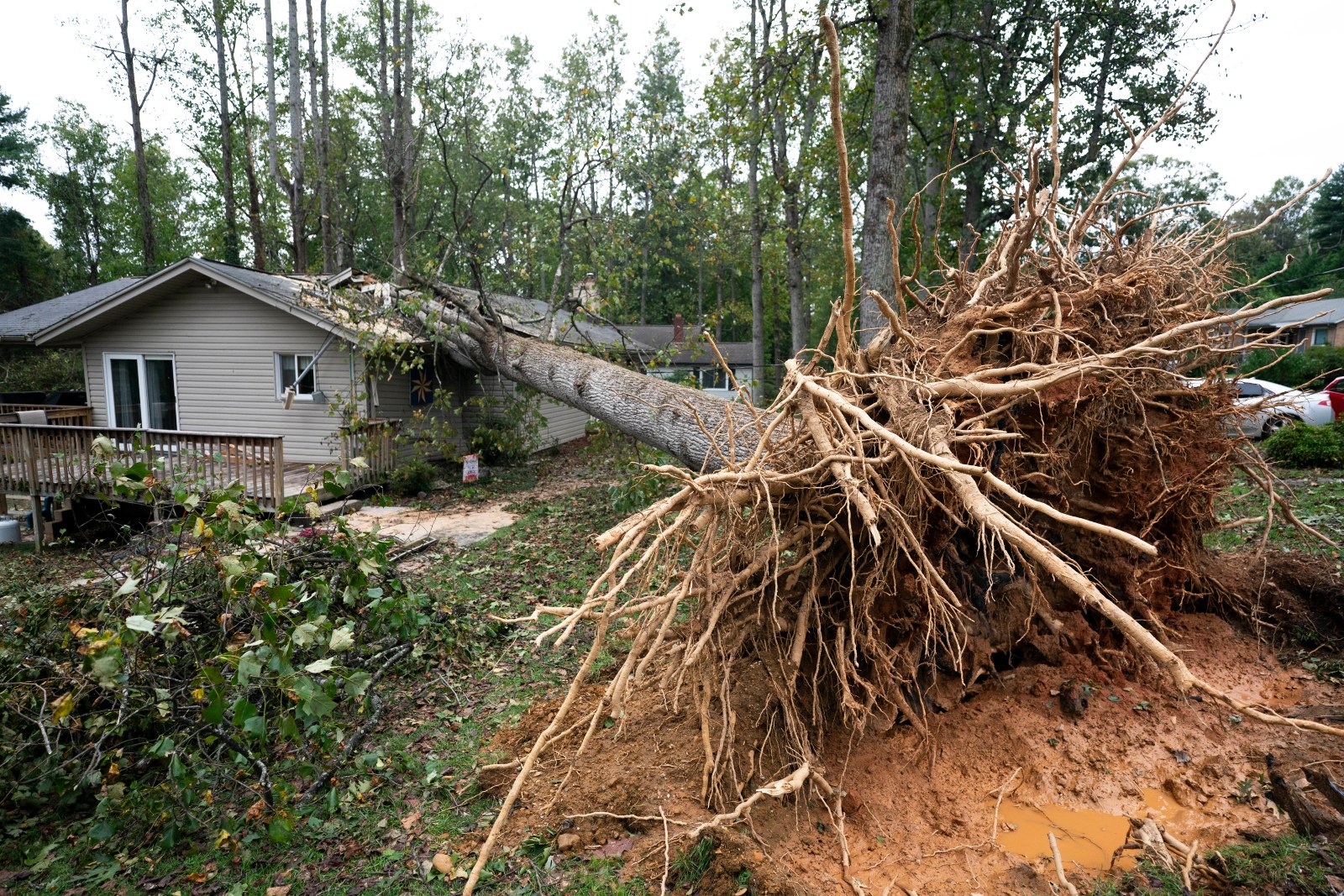
Those comforting promises were shattered when nearly 14 inches of relentless rain poured down over Asheville across a three-day period in September 2024. The surging French Broad River dramatically overtopped its banks, inundating hundreds of homes and thoroughly devastating the city’s historic River Arts District. Across Western North Carolina, more than 74,000 residential properties sustained varying degrees of damage. Compounding the tragedy, research showed that only about 4 percent of those affected homeowners carried specialized flood insurance, leaving a staggering $9.5 billion in uninsured residential property losses in the wake of the storm.
Property values across Western North Carolina have visibly trended downward since the disaster, a trend particularly pronounced in the counties hit hardest by the floodwaters. Over the past year, Asheville’s average home price contracted by roughly 5 percent, defying a modest national average increase of 1.2 percent over the same period.
To a growing degree, regional housing markets are beginning to price in the latent risks of environmental hazards. Residential properties situated directly within Federal Emergency Management Agency high-risk flood zones sell for an average of 2.8 percent less than comparable properties located outside those boundaries, according to a 2023 study published in the journal Nature Climate Change. The researchers behind that study calculated that homes exposed to documented flood risks remain significantly overvalued by billions of dollars nationwide, explicitly identifying the broader Appalachian region as a distinct hotspot of housing overvaluation just one year before Hurricane Helene made landfall.
The chaotic devaluation of real estate in high-risk zones is unfolding unevenly across the country, a phenomenon that Rebecca Elliott, a sociology professor at the London School of Economics and Political Science, describes as generating "tremendous social harm."
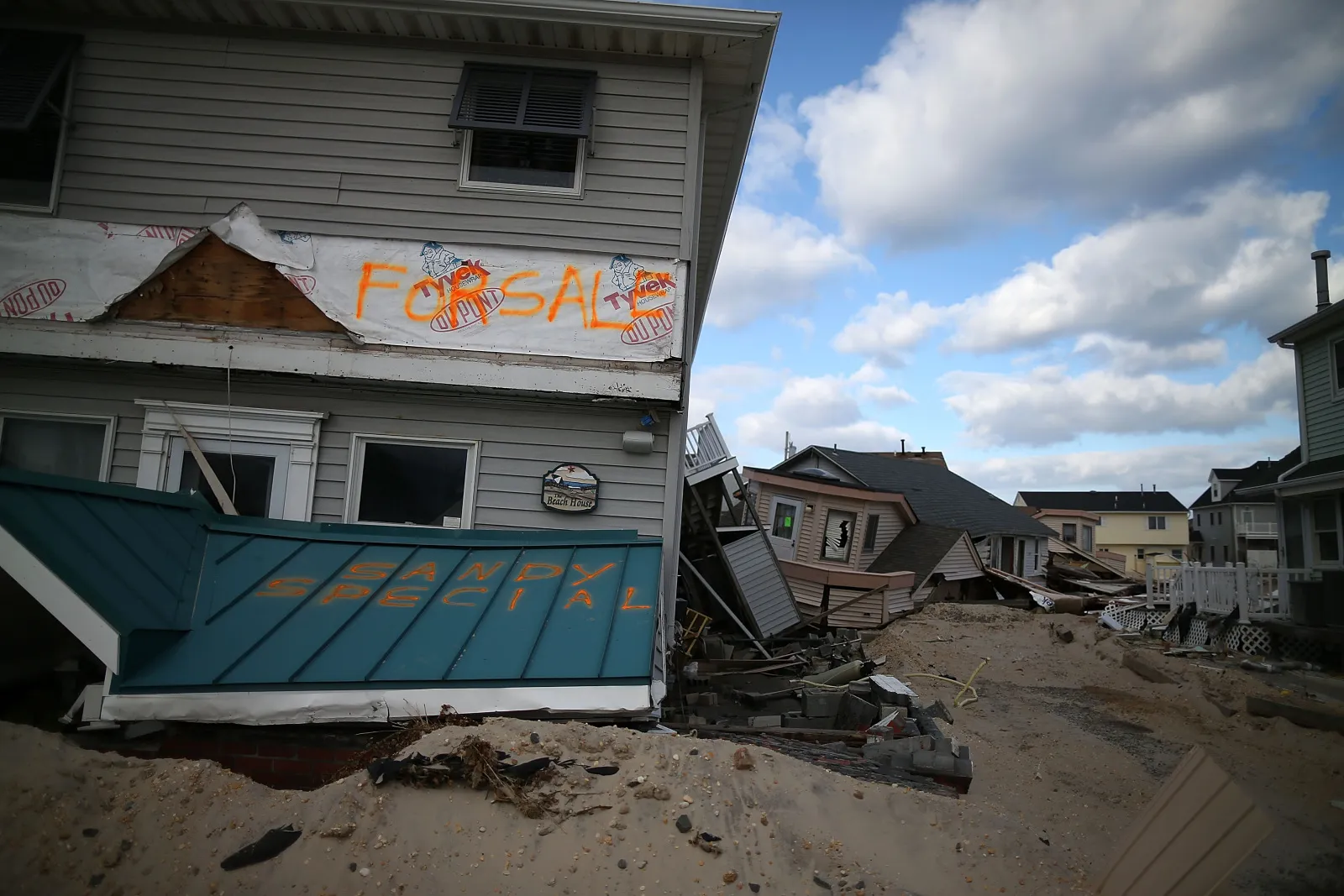
While residential real estate has long been marketed as a secure engine for wealth accumulation, it can quickly morph into an inescapable financial trap. In the aftermath of Superstorm Sandy, which devastated parts of New York City and the New Jersey coast in 2012, numerous homeowners found themselves fundamentally unable to sell their damaged properties for enough capital to purchase alternative housing elsewhere, leaving them stranded in place. Even properties that have managed to avoid physical destruction are increasingly vulnerable to sudden drops in market value as prospective buyers grow increasingly wary of purchasing homes in exposed floodplains, storm-vulnerable coastal regions, and high-risk wildfire zones.
"Those homes could become, in effect, economically worthless even before they are physically uninhabitable," Elliott observed in her published research examining the intersection of property values and climate change.
In traditional financial planning, property insurance is designed to serve as a reliable safety net when an individual takes on the massive, long-term debt of a mortgage. Douglas Heller, director of insurance at the Consumer Federation of America, characterizes insurance as "the safety net for the American Dream." However, skyrocketing insurance rates have increasingly become a primary driver making homeownership fundamentally unaffordable for millions of households.
Since 2020, average property insurance costs nationwide have ballooned by nearly 80 percent, with the typical single-family mortgage holder now shelling out an extra $209 per month just to maintain coverage. Homeowners residing in the nation’s most climate-vulnerable zones are paying substantially higher premiums, while countless residents in high-risk states like California have seen their policies entirely canceled or non-renewed by skittish insurers. Furthermore, home insurance rates are currently climbing at a faster pace in the American Midwest than in any other region, driven largely by the surging costs associated with severe localized storms and wind events.
"We are, for a lot of people, on the edge of a dysfunctional insurance marketplace," Heller warned. He argues that the deepening crisis is driven by more than just severe weather trends, suggesting that the private insurance industry has increasingly acted as a "climate opportunist," leveraging public anxieties over climate change to justify excessive, compounding rate hikes.
Considerable vulnerability is also felt by fixed-income seniors relying on Social Security benefits who own condominiums surrounding Lake Tahoe, according to Andrew Engler, founder and CEO of Rock Rose Risk, a firm that assists California homeowners with wildfire hardening and premium reduction strategies. These residents face rapidly escalating homeowners association fees, levied specifically to cover soaring collective insurance costs across high-risk wildfire territories, all while trying to survive on limited monthly paychecks. If these vulnerable owners attempt to list their properties for sale, they often find that the market value has been severely depressed by the crushing burden of high monthly HOA dues.
Economists estimate that rising insurance expenses directly linked to disaster risks have suppressed home price growth by more than $40,000 in the nation’s most hurricane- and wildfire-prone ZIP codes.
Renting, meanwhile, offers a greater degree of geographic flexibility, but it provides no insulation from these compounding macroeconomic pressures. A major factor driving up rental prices nationwide is the direct pass-through of rising property insurance costs from commercial landlords to apartment dwellers.
"Whether you are a homeowner or a renter, we’re all paying for living under the increased risks of climate change," noted Caroline Nagy, associate director of housing policy at Americans for Financial Reform. This financial squeeze makes it increasingly difficult for working families to save up the necessary capital to buy a home—assuming homeownership remains a prudent financial goal at all.
When Sierra Isley walks through her neighborhood today, physical reminders of Hurricane Helene remain visible on storefronts and telephone poles, marked by commemorative banners bearing slogans like "Asheville Strong" and "WNC Strong."
One of the most striking sociological phenomena following major natural disasters is the way isolated communities pull together and rise to the occasion. In the immediate aftermath of Helene, when regional power grids and cellular networks were entirely knocked offline, Sierra and Jamie walked extensively through their town, checking in on fellow residents to piece together what had happened. Locals naturally began congregating at the neighborhood fire station, where access to fresh emergency water had been established.
"It’s hard to put into words what that experience was like, but I’ve never felt more of a community, and really having to lean on my neighbors and feeling like my neighbors were leaning on me," Isley recalled.
While the prevailing ethos of the American Dream has historically championed radical individualism and personal independence, enduring a collective crisis tends to reveal just how deeply human beings rely upon one another for survival. According to Nick Tinoco, a doctoral sociology researcher at the University of California, Los Angeles, who interviewed survivors of the catastrophic 2018 Woolsey Fire in Los Angeles County, surviving such events often causes people to hold tighter to their localities, doubling down on grassroots efforts to protect their homes and neighbors. Some residents he interviewed have taken direct action by organizing volunteer community fire brigades, determined to stay behind and defend their neighborhoods against future blazes.
As so-called safe climate havens like Asheville experience unprecedented natural disasters, the comforting notion that families can simply pack up and move permanently out of harm’s way is rapidly losing its viability. "I think we have to just reckon with the fact that we’re going to have to make people secure in the places that they live," Elliott emphasized.
Achieving that security, experts suggest, will require fundamentally rethinking the core bargain of the American Dream—specifically dismantling the cultural expectation that an individual’s entire financial future must rest precariously on the fate of a single physical structure. A growing shift in perspective is already visible among younger generations. An Ipsos public opinion poll revealed that while 46 percent of baby boomers strongly associate homeownership with the definition of the American Dream, only 13 percent of Generation Z respondents share that view, indicating a profound generational evolution in what success means.
Shortly after Hurricane Helene passed, Isley and Jamie drove over to check on the brick house they had almost purchased. The structure was still standing, though they could not see the extent of any hidden interior damage from the street.
"Who knows if it flooded or anything like that, what kind of storm damage it took, and that would have immediately been our problem," Isley reflected.
Living through the disaster did more than just leave her relieved that she had avoided taking on a risky mortgage in Asheville; it fundamentally reshaped her personal ambitions. The experience sparked a deep-seated passion for public health and emergency preparedness, prompting her to formally apply to graduate programs to pursue a master’s degree in the field.
"I think I owe it to people like me, people in other rural communities who are going to face the same kind of climate change emergencies, to use my skills to help combat climate change and natural disasters," Isley said. "I just feel such a calling."