
In what represents a stunning and unexpected exception to a deeply strained era of global climate cooperation, world leaders at the United Nations General Assembly have approved a unanimous resolution addressing the existential threat of rising sea levels. Notably, the United States—under an administration that has otherwise severely disrupted international climate efforts—did not block the measure from moving forward.
The passage of the accord marks a rare triumph for multilateral diplomacy, made all the more striking because the agreement explicitly incorporates references to climate change and the critical need for climate aid directed toward developing nations. For vulnerable low-lying regions, the declaration could inject much-needed momentum into stalled global efforts to combat the physical and economic ravages of a warming planet.
Philip Davis, the prime minister of the Bahamas, emphasized the profound stakes of the agreement in an interview with Grist. With a national landmass sitting less than three meters above sea level, the island nation is already watching parts of its territory consumed by water, even as international climate mitigation efforts lag.
"Our landmass is less than 3 meters above sea level, we are already seeing our land being swallowed by water, and the global effort to stem the carbon footprint has stalled," Davis said. "I think this declaration will perhaps heighten the flow of action."
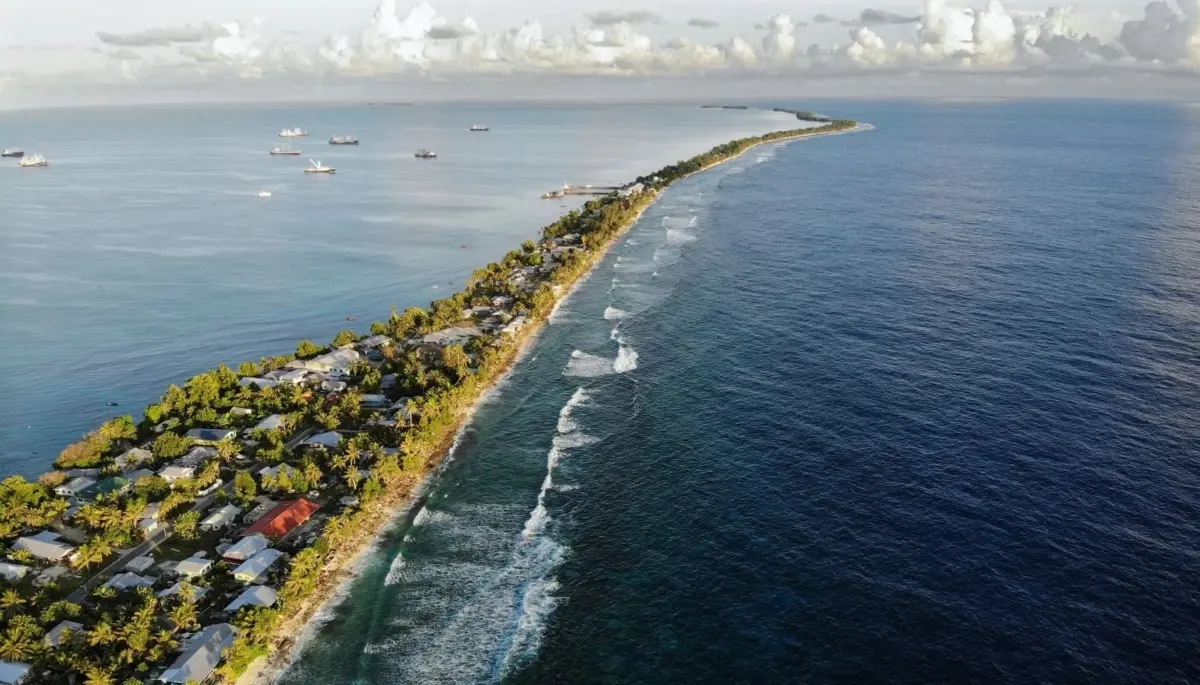
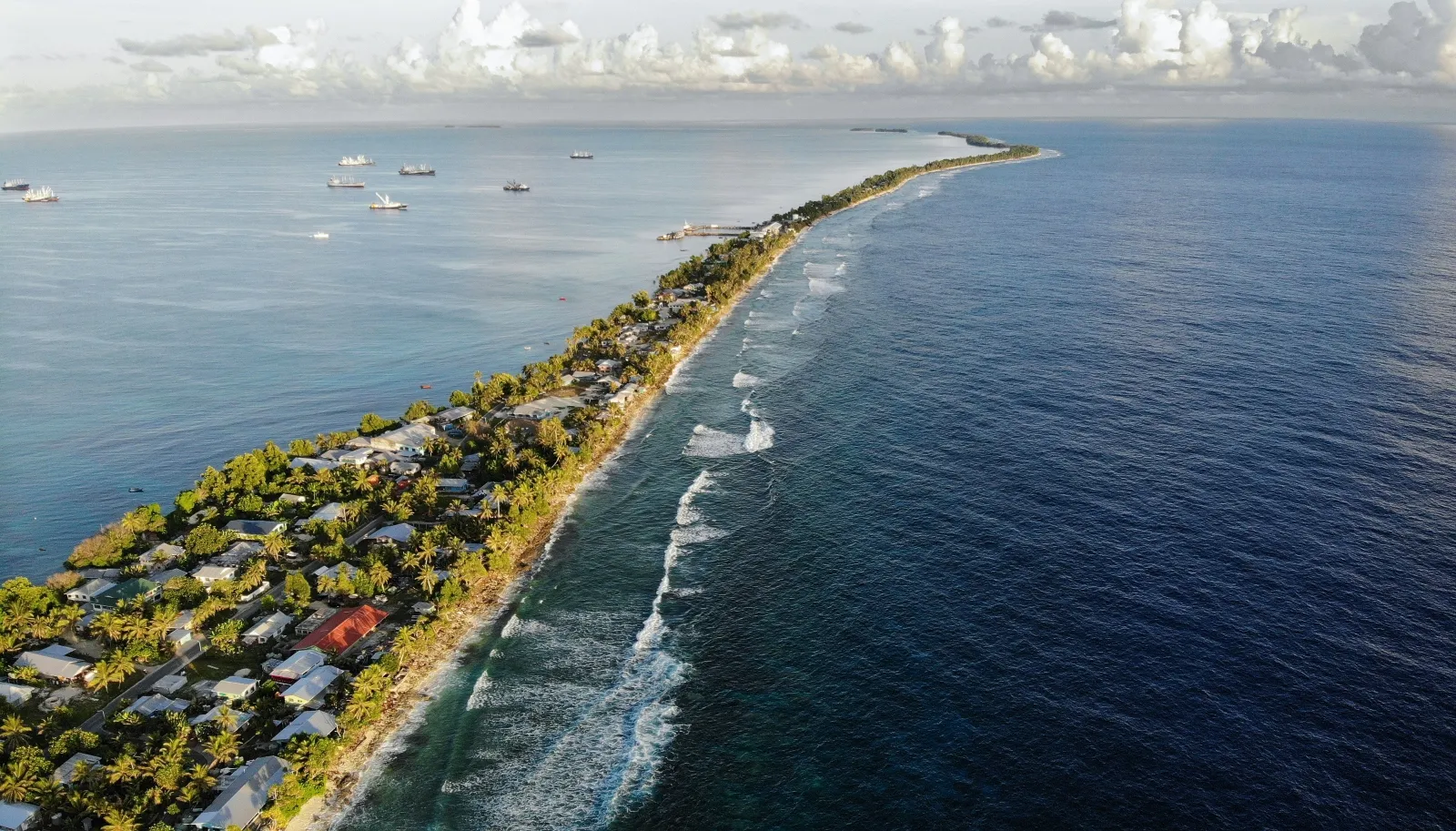
For numerous low-lying nations, the implications of this new agreement are profound and far-reaching. Island states such as Tuvalu and the Marshall Islands face the terrifying prospect of total inundation over the coming century as global temperatures continue to melt the earth’s ice sheets and glaciers. Historically, international law offered little clarity regarding the legal fate of sovereign nations whose physical territories might completely disappear beneath the waves.
Under the new UN agreement, however, those endangered states will continue to exist as recognized political actors even if their landmass vanishes entirely. Furthermore, they will retain perpetual control over their old maritime borders—the vital stretches of ocean extending outward from their coastlines over which a country holds exclusive sovereign rights for fishing, energy development, and other critical military and economic activities.
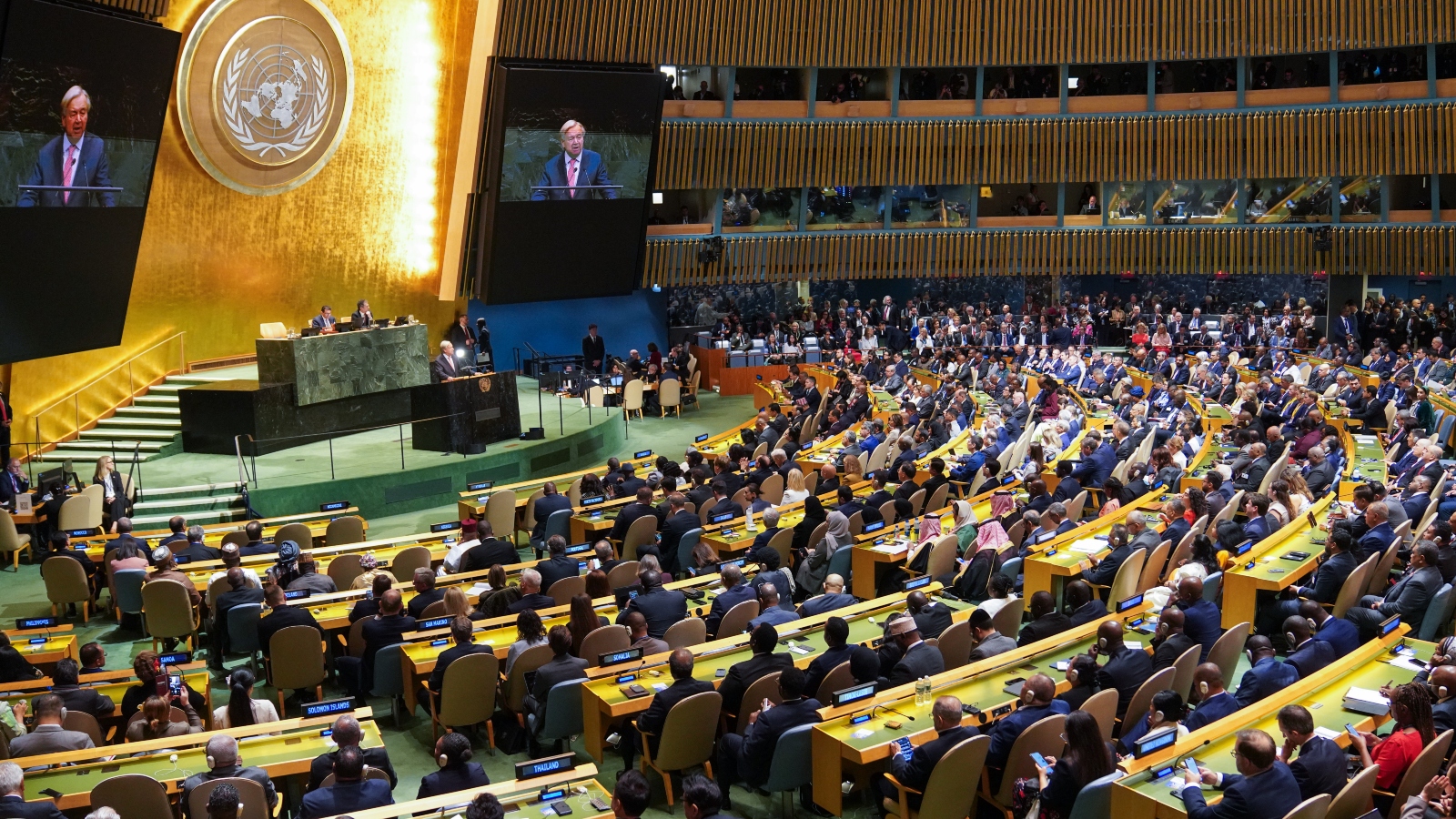
This historic declaration is the culmination of years of persistent campaigning by the Alliance of Small Island States, an influential bloc representing vulnerable low-lying countries across the globe. While recent rulings from various international legal bodies have increasingly affirmed the continued rights of nations facing extreme sea level rise, the world’s primary political leaders had never formally endorsed those legal principles.
"What was long treated as a legal ‘presumption’ is now an affirmation," said Kamal Amakrane, the managing director of the Global Center for Climate Mobility and the climate envoy for Trinidad and Tobago, which helped initiate the talks leading toward the global declaration. He highlighted the extraordinary nature of the diplomatic achievement, noting that the international community successfully agreed to preserve small island nations "by consensus, in a year when consensus has been hard to come by."
The adopted document enshrines robust protections for states currently at risk of losing their physical territory. It explicitly establishes that countries can maintain their maritime zones despite physical changes resulting from sea level rise, a guiding principle that the document terms a "presumption in favor of continued statehood."
This language directly mirrors a landmark climate ruling issued last year by the International Court of Justice. That court held that once a state is successfully established, the physical disappearance of one of its constituent elements—such as dry land—does not necessarily entail the loss of its sovereign statehood. The ruling also firmly affirmed that international law requires nations to respect one another’s established borders.
For nations like the Bahamas, protecting pristine ocean territory is far more than an abstract legal exercise; it is an absolute economic necessity. Because the country’s economy relies heavily on tourism, Prime Minister Davis noted that these new legal protections will safeguard the nation against predatory efforts to claim valuable ocean territory for emerging and potentially destructive industries, such as deep-sea mining.
"This cannot be a free-for-all," Davis said. "This cannot be might is right, and might takes what is there."
Beyond securing sovereignty and maritime borders, the agreement also features strong language acknowledging that developed nations and historic greenhouse gas emitters hold an urgent obligation to provide expanded access to adaptation funding for small island states. This financial support is desperately needed to construct physical defenses like seawalls, restore protective mangrove forests along vulnerable coastlines, or safely relocate human populations away from chronically flood-prone areas.
To be sure, the declaration on its own will not automatically translate into an immediate increase in available funding for states like the Marshall Islands. Wealthy industrialized nations currently provide developing countries with roughly $130 billion a year in grants and low-interest loans dedicated to clean energy and climate adaptation. Experts agree this figure remains well below the massive scale of investment necessary to avoid catastrophic global impacts.
While the international community agreed in 2024 to aim for $300 billion in annual climate aid by 2035, it remains far too early to accurately gauge global progress toward that ambitious target. Moreover, a significant portion of current climate finance is delivered in the form of loans rather than direct grants. These loans pose a crushing financial burden for island states already saddled with substantial national debt—much of it accumulated in the wake of climate-fueled disasters, such as the devastation wreaked upon the Bahamas by Hurricane Dorian in 2019.
Even so, the mere inclusion of adaptation language within the text was warmly received by island nations. Language concerning climate aid has been heavily contested and often diluted at recent United Nations climate summits, with wealthy nations frequently resisting calls for trillions of dollars to help build flood walls or elevate sinking island communities.
The resistance has been particularly acute under the current administration of President Donald Trump, whose second term has systematically dismantled global cooperation on climate change. Trump has yanked the United States out of the Paris climate agreement, attacked global initiatives aimed at implementing a carbon tax for international cargo ships, and actively threatened foreign countries with punitive tariffs if they become too vocal about climate advocacy on the world stage. Furthermore, Trump has rejected almost all traditional international aid obligations, dismantling the U.S. Agency for International Development and withdrawing the nation from dozens of multilateral treaties.
Yet, despite this hardline stance against foreign aid and climate diplomacy, neither the U.S. State Department nor other finance-averse nations moved to block the language in the sea level rise declaration. The State Department did not respond to requests for comment prior to publication.
The underlying reason for the surprising U.S. cooperation, legal experts explain, is that robust legal protections against sea level rise ultimately serve the national interests of every country on Earth. Bryce Rudyk, a law professor at New York University who also serves as a legal advisor to the Alliance of Small Island States, pointed out that the United States and other wealthy nations are also vulnerable to losing land to rising seas. In several powerful nations, a shifting and unmanaged maritime border could jeopardize long-term sovereign control over vital natural resources, including offshore oil reserves, valuable minerals, and expanding offshore wind energy installations.
"Everyone will lose land, and no one wants to lose ocean territory," Rudyk said. "I think that’s why they were fine with making these relatively strong statements… It’s in everyone’s interest to say, ‘We don’t want states just disappearing.’"