
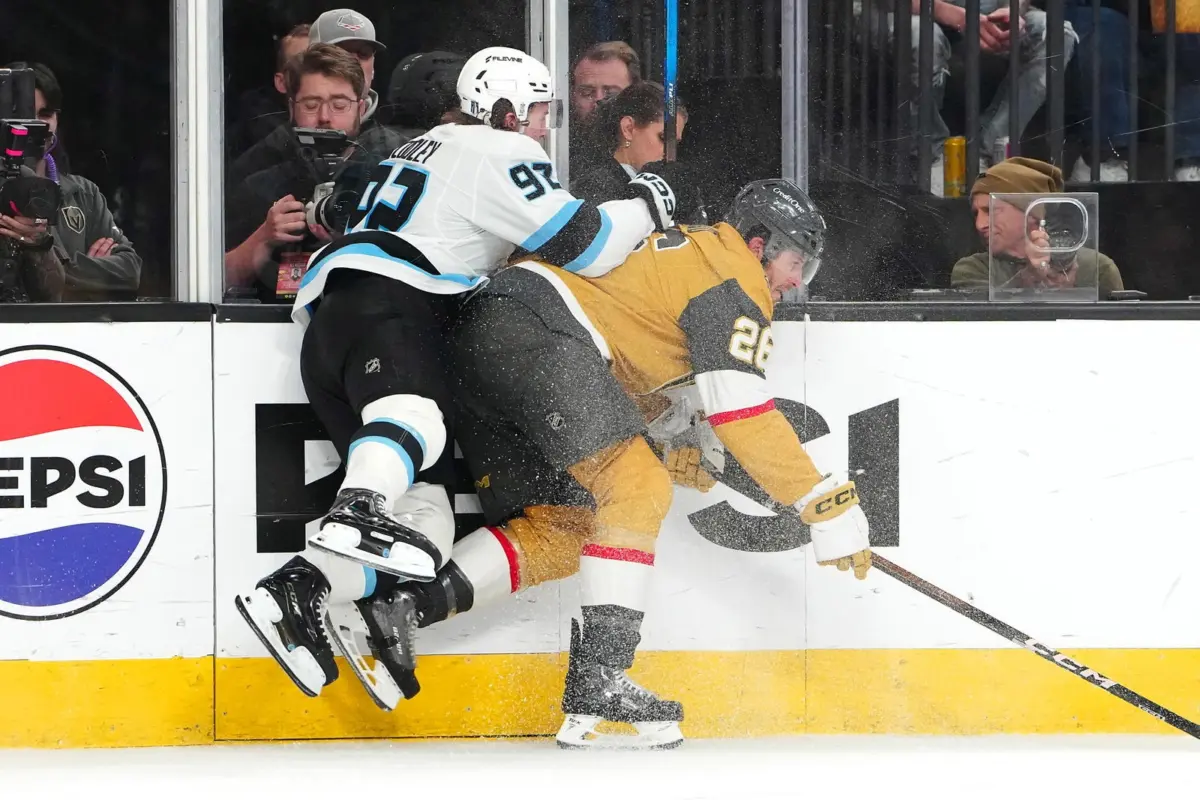
The Utah Mammoth put together a solid 2025-26 NHL campaign, securing a playoff berth and finishing fourth in the fiercely competitive Central Division. However, with the rest of the division reloading and getting even tougher over the summer, a pressing question looms over the franchise: Can Utah continue to climb the Central ranks, or is a step back or a bout of disappointment waiting just around the corner?
Widely regarded as the toughest division in the NHL of late, the Central Division remains a gauntlet. Last season, the top three teams—the first-place Colorado Avalanche, second-place Dallas Stars, and third-place Minnesota Wild—combined for an astounding 337 standings points. That dominance showcased a murderer’s row of stacked, veteran-laden teams fully capable of sustaining long, grueling runs deep into the Stanley Cup playoffs.
There is a distinct separation between those top three powerhouses and the rest of the division. Yet, right behind them sits a hungry second tier of clubs champing at the bit to disrupt the hierarchy and secure a postseason ticket. Teams like the Winnipeg Jets, St. Louis Blues, and Nashville Predators have all made significant moves this summer, each believing they have done enough to propel themselves upward in the Central standings.
Straddling the line between the upper echelon and the chasing pack are the Utah Mammoth.
It will be particularly intriguing to watch which tier the Mammoth ultimately anchor themselves to as the season progresses. Although it was just a single contest—and came against a Chicago Blackhawks squad playing without superstar Connor Bedard—the Mammoth looked utterly phenomenal in their season opener, rolling to a dominant 6-0 victory.
Examining Utah’s trajectory reveals two compelling sides to the argument. On one hand, the Mammoth finished only three wins behind the Wild’s total of 46 last season. While Minnesota accumulated 12 more points than Utah overall, that statistical gap was largely due to the Wild capturing six more overtime and shootout points—a traditional hallmark of an experienced, veteran-savvy team that knows how to grind out points in extra time.
On the other hand, the Mammoth will undoubtedly feel intense pressure breathing down their necks from the lower tier of the Central. The Winnipeg Jets endured a difficult campaign last year and currently find themselves navigating a precarious predicament following superstar goaltender Connor Hellebuyck’s trade demand. Even with that cloud hanging over the franchise, Winnipeg retains the core talent necessary to turn their trajectory around if things click.

Meanwhile, the St. Louis Blues finished just six points behind Utah in the standings last year. As the organization transitions from long-time general manager Doug Armstrong to his successor, Alexander Steen, the Blues have made it clear they are aiming for more than mere competitiveness. Their explicit goal is to punch their ticket straight back to the playoffs after missing out last season.
Then there are the newly retooled Nashville Predators. The Predators poached general manager Chris MacFarland from the Avalanche and executed a flurry of roster alterations, bringing in budding star Mavrik Bourque alongside veteran centers Ross Colton, Jack Drury, and Alex Kerfoot.
In the eyes of many analysts, however, the Predators still lack the high-end scoring and roster depth required to evolve into a legitimate playoff team. Furthermore, Nashville head coach Andrew Brunette could find himself sitting squarely on the hot seat as one of the first bench bosses vulnerable to a firing if things go south early. That mounting pressure will likely push Brunette to demand that his players come flying out of the gate and maintain consistent competitiveness right from puck drop.
This brings hockey observers back to the central dilemma facing the Utah Mammoth: Will they continue evolving into something genuinely special and manage to shake up the top end of the Central Division, or will they take a lateral or backward step in their development?
There is good reason why the Colorado Avalanche, Dallas Stars, and Minnesota Wild occupied the top three spots in preseason division predictions. The Avs, Wild, and Stars boast elite, game-breaking talent at multiple positions, possess sufficient depth to weather significant injuries, and feature defensive corps that rank among the absolute best in the National Hockey League. It remains an open question whether the Utah Mammoth can currently boast all three of those crucial ingredients.
That is not to suggest that Utah is incapable of elevating their game and launching a serious challenge for a top-three spot in the Central. At the same time, observers cannot be one hundred percent convinced that the Mammoth will successfully stave off the aggressive pushes coming from Winnipeg, Nashville, and St. Louis.
Life in the Central Division is undeniably unforgiving. The division is shaping up to be even more competitive this season than it was the last, which is saying a great deal. For the Utah Mammoth, this environment presents a golden opportunity—either to firmly establish themselves as a true, bona fide threat in a brutal division, or to fall by the wayside as multiple hungry teams hurdle past them, forcing the franchise to confront much larger, macro-level questions when the final horn sounds on the regular season.