
A coalition of prominent Winnipeg-area advocacy groups has launched a coordinated campaign aimed at fundamentally reshaping how the city’s municipal water and sewer rates are determined. Gathering on the steps of Winnipeg City Hall, representatives from several Manitoba-based associations called on the next cohort of municipal leaders to bring Winnipeg’s utility rates under the oversight of an independent provincial regulator to ensure greater transparency and financial accountability for local residents.
The initiative, officially named the "This PUB’s For You Pledge," is a direct appeal to both prospective and incumbent city council candidates ahead of the upcoming municipal election. The backing organizations are demanding that newly elected officials commit to initiating the legislative and administrative processes necessary to transfer rate-setting authority to the Manitoba Public Utilities Board (PUB). The campaign sets a specific timeline for action, asking candidates to pledge that they will set this transition in motion within 180 days of being sworn into office.
To ensure candidate accountability is established before voters head to the polls, the coalition has set a firm deadline of October 13 for all council hopefuls to sign the pledge. The timing of the campaign is designed to elevate utility rate reform into a key election issue, forcing candidates to publicly declare their stance on how city-managed public utility rates should be governed.
The push represents a broad consensus among groups advocating for vulnerable, fixed-income, and consumer populations in the province. The "This PUB’s For You Pledge" is championed by a diverse alliance of Manitoba-based associations, including the Manitoba Seniors Equity Action Coalition (MSEAC), the Manitoba chapter of the Canadian Association of Retired Persons (CARP), the Consumer Association of Canada’s Manitoba base, and Harvest Manitoba. This cross-sector collaboration underscores the widespread concern over rising living costs and the perceived lack of transparency in municipal utility pricing.
Speaking to reporters outside City Hall, Lucille Bruce, co-chair of the Manitoba Seniors Equity Action Coalition, emphasized that the current rate-setting framework lacks the checks and balances necessary to protect citizens. Bruce explained that a public utility serving hundreds of thousands of residents should not operate under a different set of rules than those governing smaller jurisdictions across the province. She stated that in order to have greater accountability regarding water and sewer bills, it is only fair that the City of Winnipeg’s water utility rates be approved by the PUB, just as they are for other municipalities.

Under current provincial law, the Manitoba Public Utilities Board is mandated to review and approve the rates of every single municipally owned public utility throughout Manitoba, with the sole exception of the City of Winnipeg. This regulatory carve-out is legally codified in both The Public Utilities Board Act and the City of Winnipeg Charter. While other municipal councils must justify their rate increases to an independent, quasi-judicial provincial body, Winnipeg’s council retains exclusive authority over its own utility pricing, operating without external oversight.
Beyond rate-setting autonomy, the City of Winnipeg Charter grants municipal officials unique financial privileges regarding how utility revenues are handled. In most Manitoba municipalities regulated by the PUB, public utilities must operate on a strict breakeven basis. According to the PUB’s guidelines, these regulated municipal councils are legally barred from collecting more revenue from rate-payers than what is deemed strictly necessary to cover the operational, maintenance, and capital costs of a well-functioning utility.
Winnipeg, however, is not bound by this breakeven mandate. The City of Winnipeg Charter explicitly permits the municipality to redirect surplus utility revenues into its general operating coffers. The charter stipulates that these revenues can be utilized toward the general purposes of the city and not solely for the purposes of offsetting any costs related to supplying the commodity or service. This allows the city to use water and sewer bills as a source of general revenue, potentially cross-subsidizing other municipal services and balancing the broader civic budget using utility fees.
This structural arrangement has drawn sharp criticism from consumer and senior advocates who argue it compromises fiscal transparency and places an unfair burden on households. Marnie Strath, chair of the Manitoba chapter of the Canadian Association of Retired Persons, addressed the media during the news conference, asserting that the city’s unique regulatory exemption does not serve the citizens of Winnipeg well.
Strath emphasized that seniors, along with all citizens of Winnipeg, need to be assured that decisions about water and sewer rates are evidence-based, taking into consideration issues of affordability, financial and environmental sustainability, and transparency. For older adults living on fixed incomes, sudden or unjustified increases in basic living costs can have a significant impact on household stability, making independent oversight a critical safeguard.

The demand for independent regulatory oversight comes at a time of escalating financial pressure for Winnipeg households, driven in part by a steady rise in municipal utility fees. Data from the city’s official utility billing portal reveals a consistent upward trajectory in both water and sewer rates over recent years.
In 2024, Winnipeg residents paid a base water rate of $2.04 per cubic metre per quarter. By 2026, that rate has risen to $2.17 per cubic metre per quarter, representing an increase of 13 cents per cubic metre. The escalation in sewer rates has been even more pronounced. Prior to April 1, 2025, sewer services cost residents $3.47 per cubic metre per quarter. However, in 2026, that rate has jumped significantly to $4.53 per cubic metre per quarter. For average households, these combined hikes represent a notable increase in quarterly living expenses, fueling the coalition’s argument that rate hikes must be subjected to independent, evidence-based scrutiny rather than internal political decision-making.
Despite the coalition’s calls for reform, the proposal faces resistance from some established municipal leaders who argue that the city’s current self-regulatory model is both effective and necessary for efficient operations. Winnipeg Councillor Ross Eadie, who serves as the chair of the standing policy committee on water, waste and environment, defended the existing system, pointing out that the city already has robust internal mechanisms to review decisions regarding public utility rates.
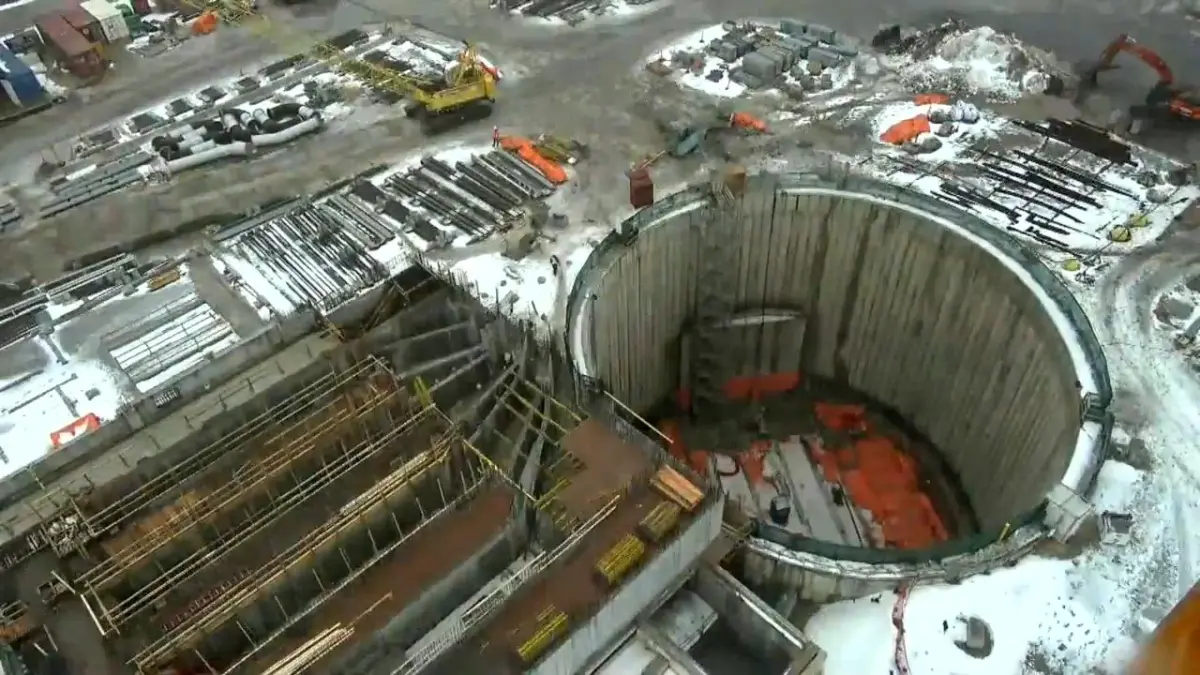
Eadie argued that subjecting Winnipeg’s massive infrastructure projects to PUB oversight could lead to costly administrative delays. He pointed specifically to the multi-phase upgrades at the North End Waste Management Treatment Plant, a critical wastewater project for the city. Eadie explained that operating outside of the PUB’s supervision allowed the city to expedite critical work on the treatment facility while still successfully adhering to all relevant environmental and provincial regulations.
According to Eadie, involving the provincial board in major infrastructure decisions could disrupt project timelines. He noted that it would take the Public Utilities Board a long time to review that project, which would slow it down and potentially prevent the city from meeting the regulators’ required dates. Missing those deadlines, he warned, would result in financial penalties for the city. Eadie stressed that there is constant review happening within the city’s existing structures to ensure project compliance and financial accountability. To address concerns about oversight on large-scale capital projects, Eadie noted that the city employs an "owner’s advocate"—an independent entity acting as a regulatory body for the City of Winnipeg to monitor the municipal government’s use of taxpayer funds on the treatment plant project.

Eadie, who is currently the incumbent councillor seeking re-election in the Mynarski ward, confirmed that he would not support the coalition’s "This PUB’s For You Pledge" at this time. However, he acknowledged that his perspective on the issue has evolved over his tenure on city council, indicating that the debate surrounding utility oversight remains complex and multifaceted.
As the October 13 pledge deadline approaches, the campaign has successfully thrust the issue of utility rate transparency into the spotlight of the municipal election. Candidates running for council seats will now have to weigh the coalition’s demands for independent provincial oversight and enhanced consumer protection against the administrative arguments for municipal autonomy, flexibility, and project expediency presented by long-serving civic officials.