
This story was produced by Grist and co-published with Agência Pública.
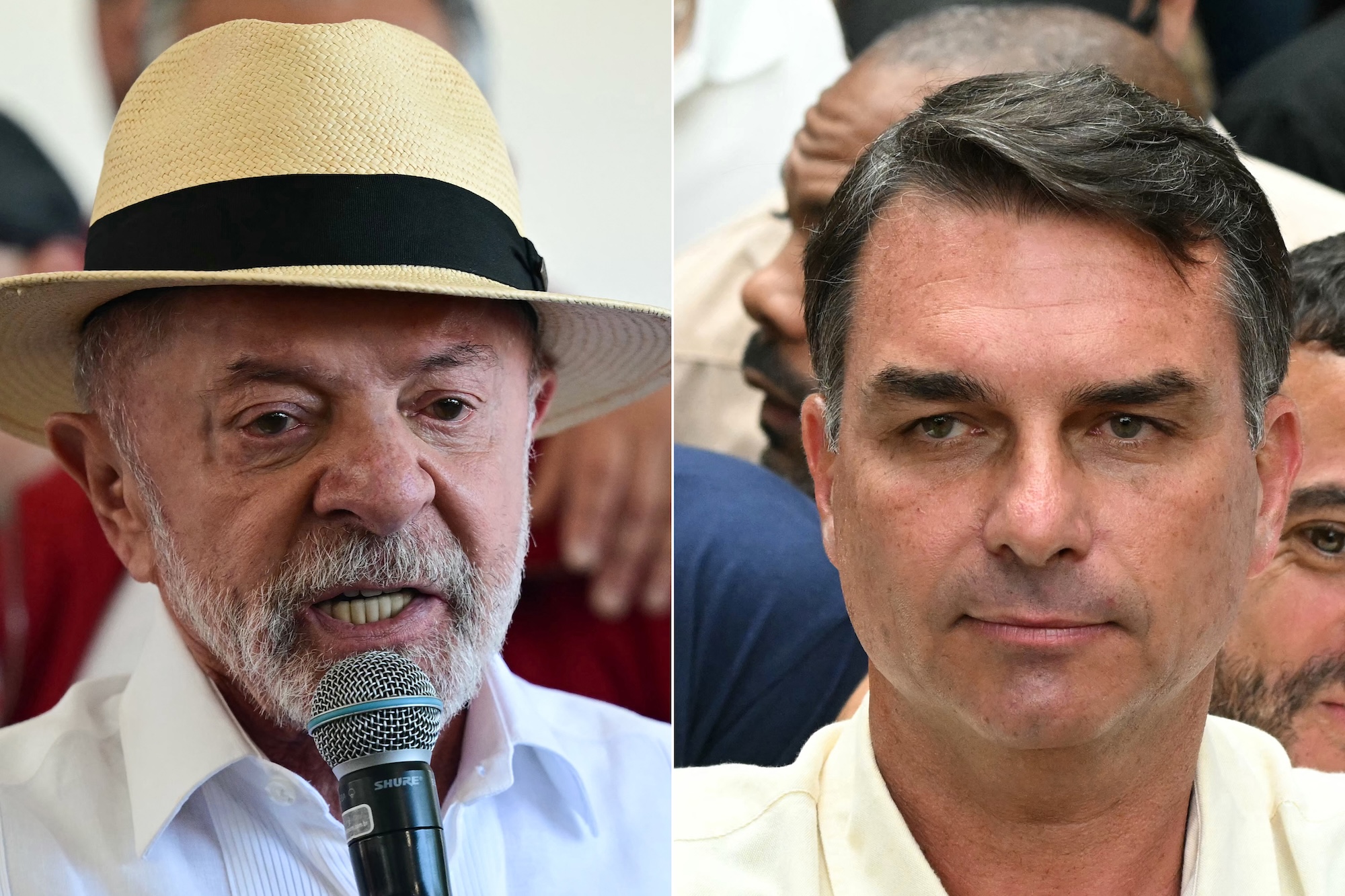
Brazilians filling out presidential ballots earlier this month saw a familiar political showdown: three-term incumbent Luiz Inácio Lula da Silva pitted against Senator Flávio Bolsonaro. But for environmental observers, scientists, and climate defenders worldwide, the election represented something far more consequential—a definitive referendum on the future of the Amazon rainforest and its vital role in regulating the global climate system.
"We are very serious about the risks for the Amazon if Flávio wins the election, because he is a climate denier," said Carlos Nobre, a prominent climate scientist currently at the University of São Paulo’s Institute for Advanced Studies. "If this candidate is elected, certainly deforestation in the Amazon will increase. We are in a very serious situation."
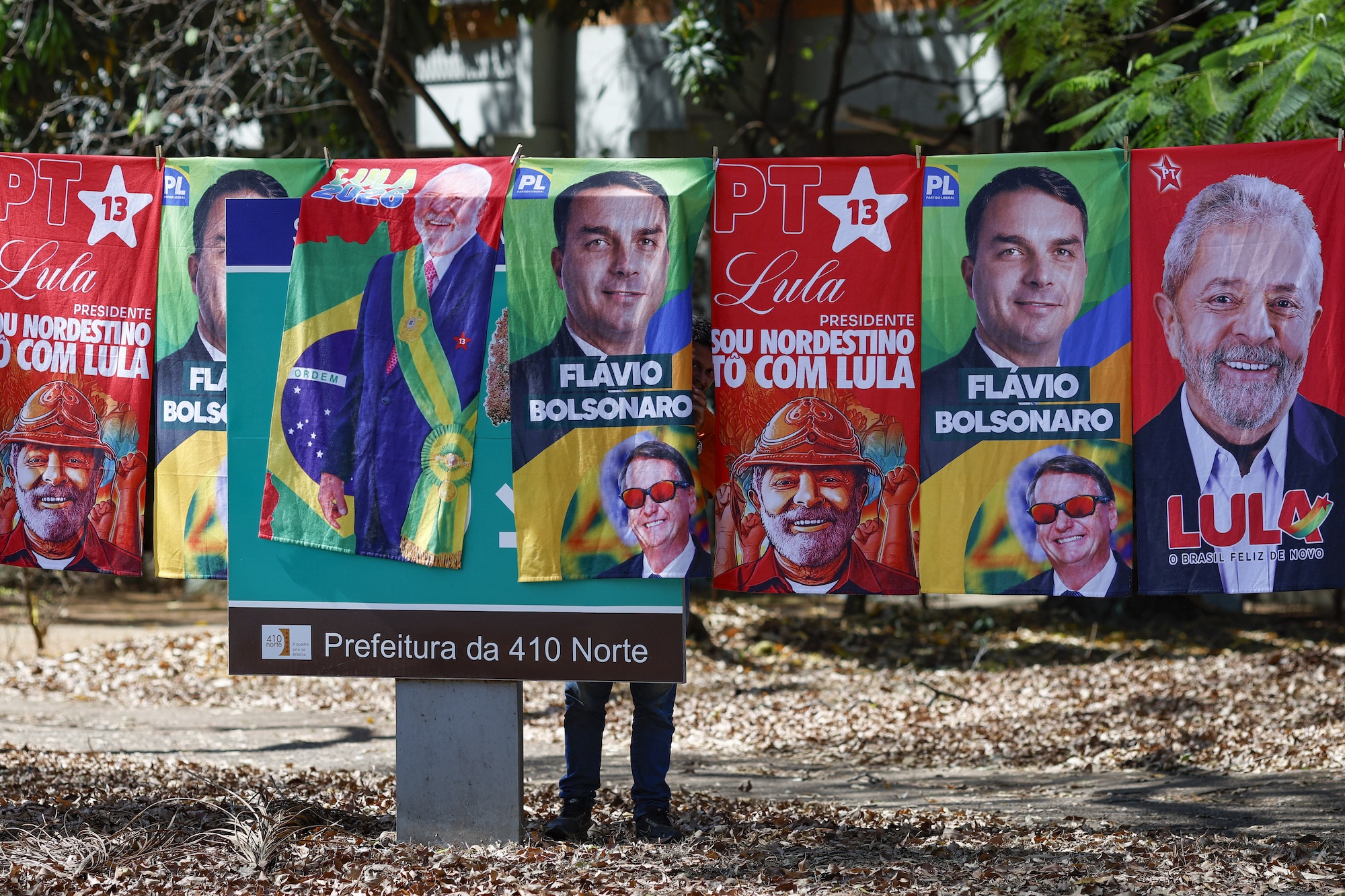
Flávio Bolsonaro, the son of imprisoned former president Jair Bolsonaro, has campaigned on an aggressively agribusiness-friendly and deregulatory platform. In the first round of voting, he finished 2.2 million votes ahead of Lula, surprising some analysts with the breadth of his initial support. Because neither candidate secured the requisite 50 percent of the vote needed to be declared the outright winner, the two political figures are now heading toward a high-stakes runoff election scheduled for October 25.
Taken at face value through their official campaign literature, Bolsonaro and Lula would appear to have remarkably similar rainforest policies on paper. Lula’s platform formally promises net-zero deforestation by the year 2030, while Bolsonaro’s platform pledges zero illegal deforestation by 2029. However, experts emphasize that "legal" is the crucial operative term in that distinction. Bolsonaro’s platform explicitly argues for an "agile, modern" environmental licensing process that would, in the campaign’s own words, "no longer serve as a way to block those seeking to invest and create jobs."
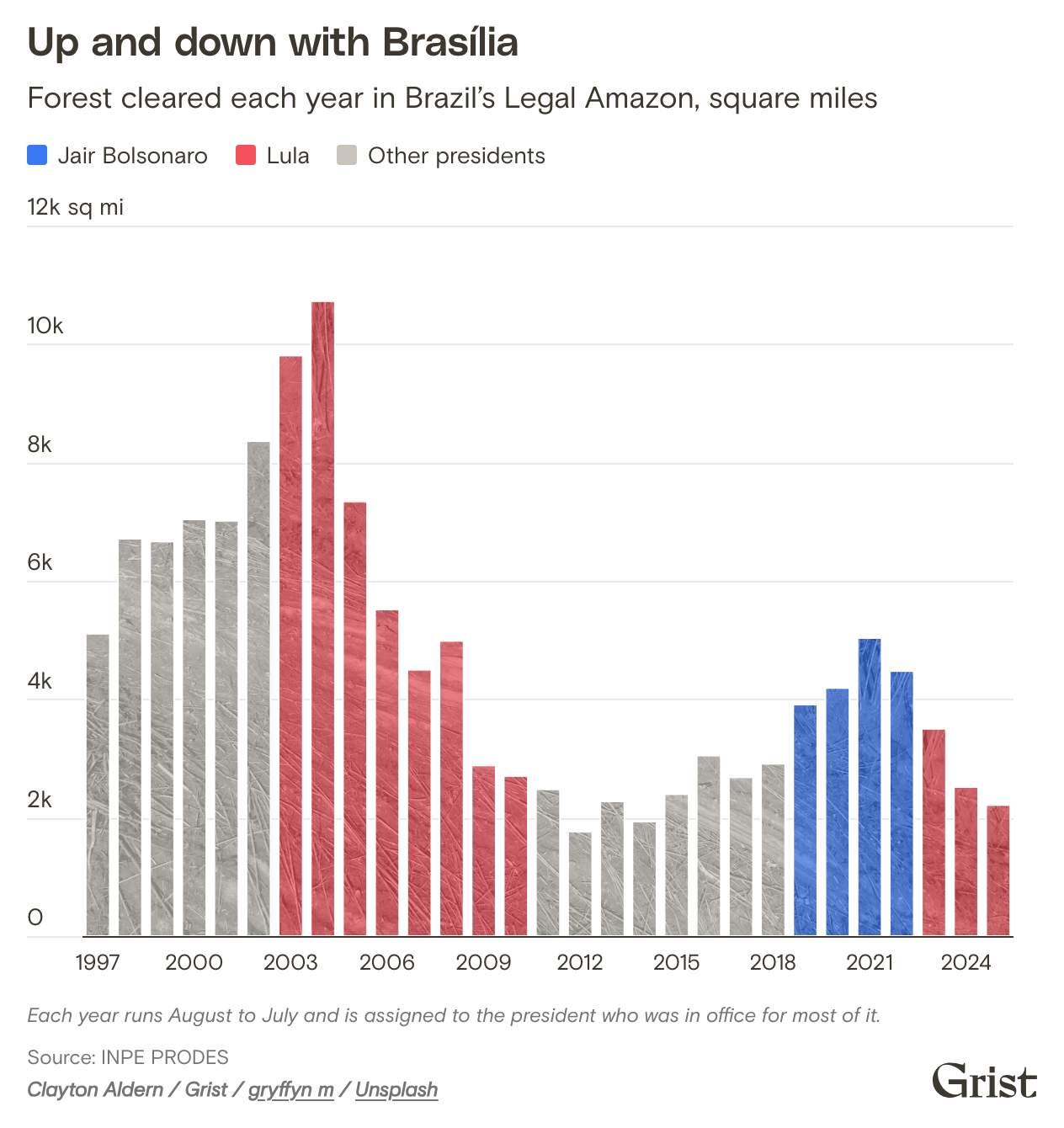
Monica de Bolle, an economist at the Peterson Institute for International Economics, argues that a Bolsonaro victory would amount to a destructive repeat of his father’s tumultuous presidential term. That period saw a dramatic surge in forest clearing, a severe plummeting in environmental infraction notices, and a near doubling of carbon emissions in Amazonia across 2019 and 2020, when compared directly with average baseline levels recorded between 2010 and 2018.
Jair Bolsonaro "basically dismantled the enforcement structure," de Bolle noted, reflecting on the systemic weakening of Brazil’s federal environmental agencies during that time. "Which is, I think, what would likely happen again."
Omnipresent but entirely non-voting in the unfolding election is the Amazon basin itself. The immense rainforest stands directly at the edge of the nation’s expanding farm country and stores an estimated 175 billion metric tons of carbon—an amount roughly equivalent to 15 years of total global carbon dioxide emissions. As the planet’s largest tropical rainforest, the Amazon is so vast that it effectively generates its own weather systems: moisture drawn upward and transpired by its trillions of trees ultimately accounts for up to half of the entire region’s rainfall.
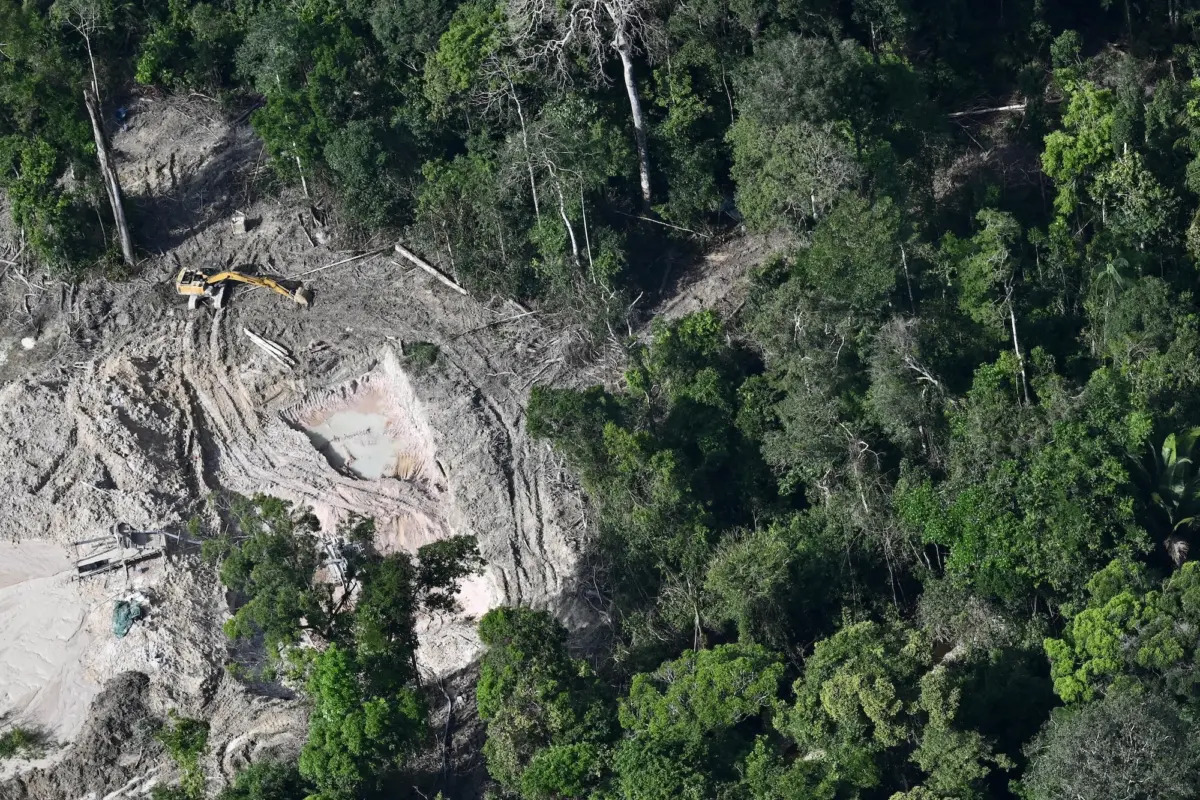
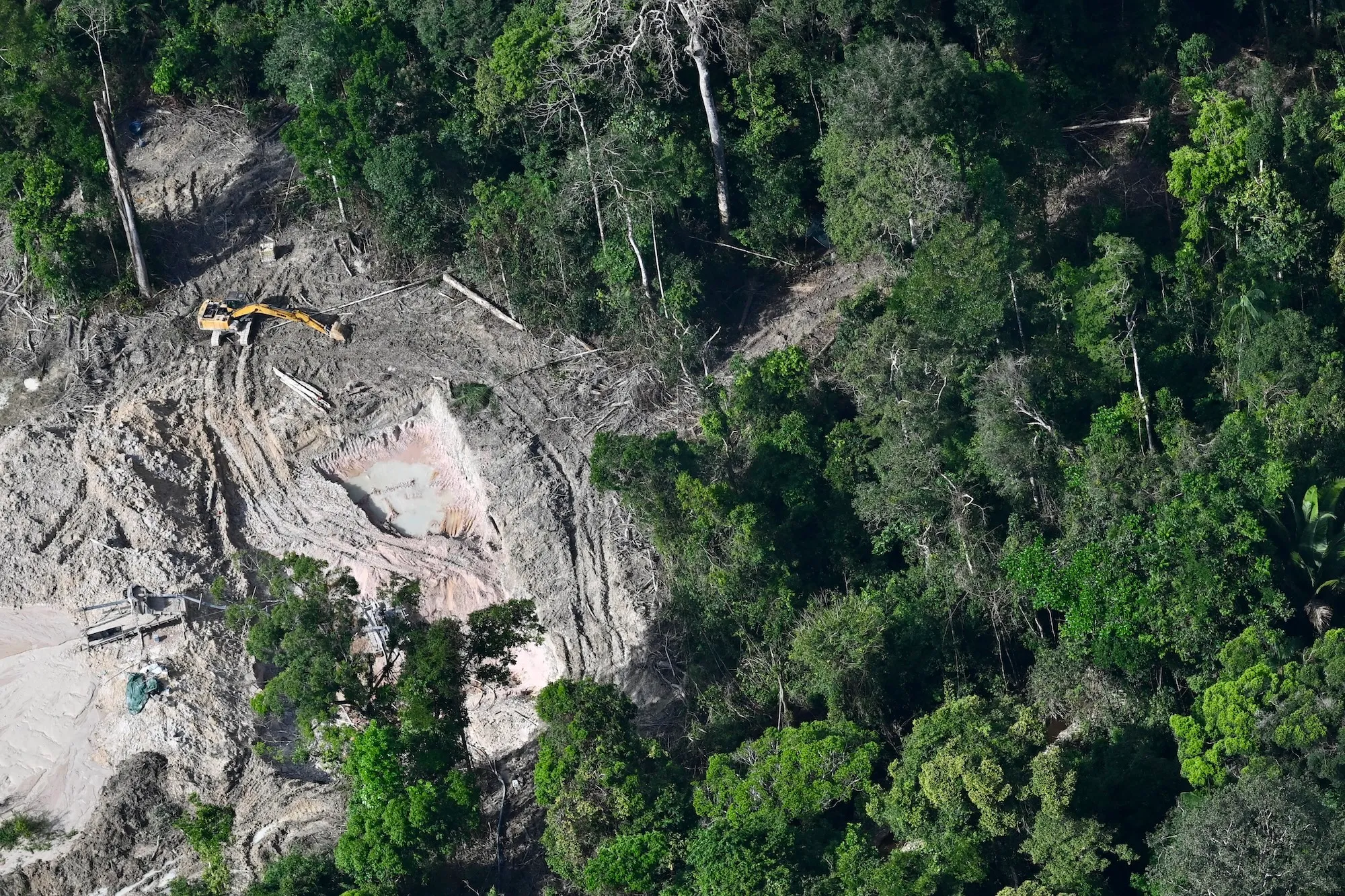
The forest currently faces a compounding menagerie of environmental harms, ranging from worsening regional droughts and uncontrolled wildfires to industrial logging and sweeping clear-cuts. While the Brazilian Forest Code legally permits private landowners to clear up to 20 percent of their properties within the Amazon biome under specific guidelines, the independent monitoring network MapBiomas recently estimated that an alarming 97 percent of all Amazon land clearing detected in 2025 showed clear signs of illegality.
Under Lula’s current presidential term, annual clearing rates in the Amazon have steadily fallen year after year. Statistical projections show that if Brazil were to return to the accelerated deforestation pace seen during the elder Bolsonaro’s administration, the rainforest would lose approximately 17,600 square miles over the course of the next four-year presidential term. By contrast, maintaining the slower clearing pace recorded in 2025 would result in the loss of about 8,900 square miles—representing a difference in landmass approximately equivalent to the entire size of the country of Belize.
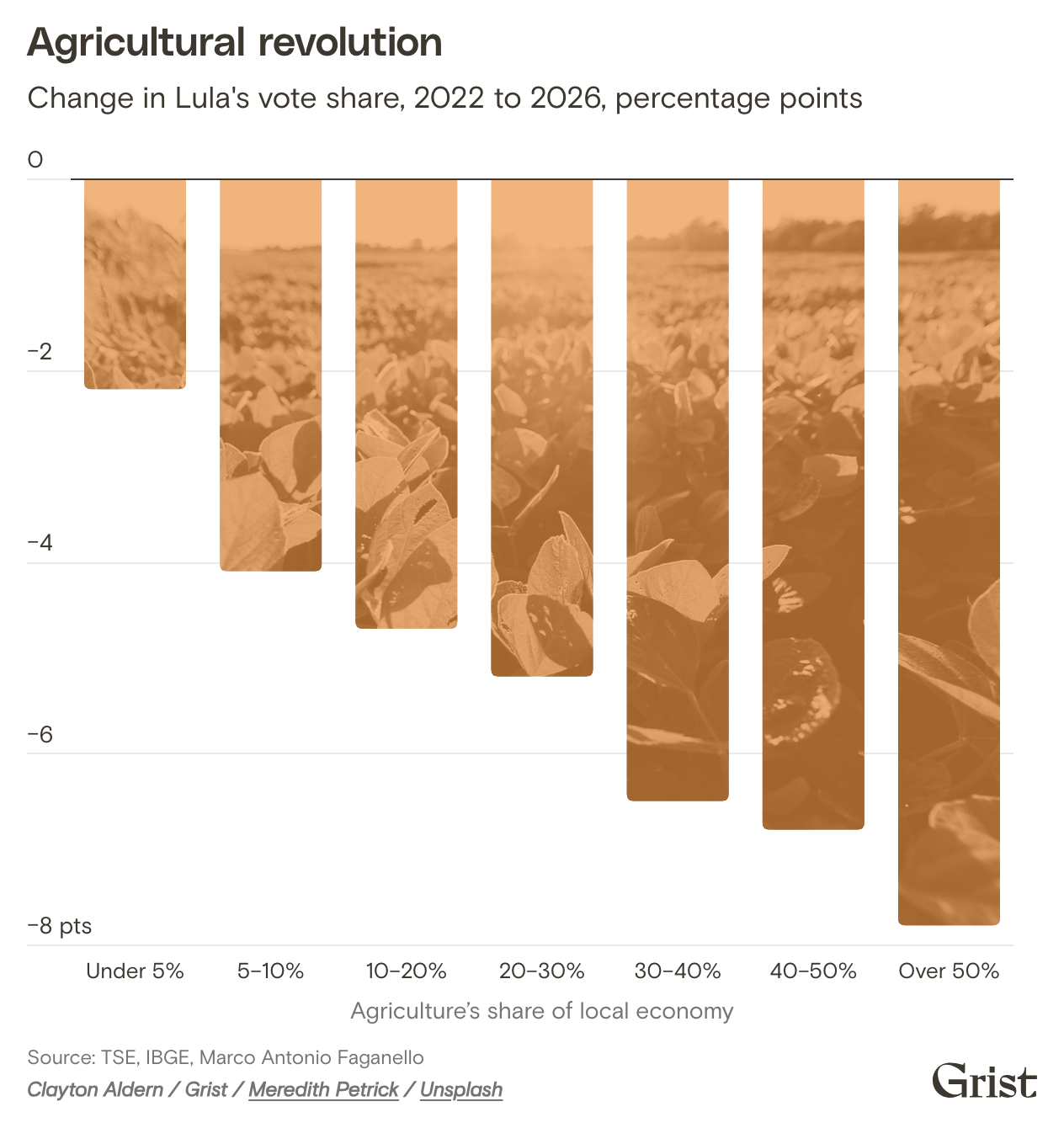
The first-round election results strongly suggest that powerful agricultural interests played a central role in Flávio Bolsonaro’s robust performance. Across the country, Lula experienced a dip in vote share relative to his performance in the 2022 general election. However, in rural municipalities where agriculture accounts for more than half of the local economy, Lula’s vote share dropped by nearly 8 percentage points—a decline triple the size of his losses in non-agricultural urban and suburban areas.
If Brazil’s next administration ultimately oversees an acceleration in forest clearing, the ecological repercussions could prove devastating for the rainforest, the Indigenous and traditional communities who call it home, and the very agricultural industries upon which the region’s economic health depends. For decades, leading forest and climate scientists have warned of a brutal, self-sustaining tipping point: if enough of the canopy is cut down, the regional water cycle will no longer be strong enough to sustain a continuous rainforest ecosystem. Instead, large swaths of the area would inevitably morph into a degraded savanna and fragmented forest—triggering a massive net release of planet-warming carbon while simultaneously depriving nearby soybean farms and agricultural heartlands of the vital rainfall they require to thrive.
While the exact mechanics of this tipping point remain multi-causal and complex to project with absolute precision, the most frequently cited deforestation threshold among researchers falls between 20 and 25 percent clearing across the entire Amazon basin. This critical range was first suggested in a landmark 2018 study by Carlos Nobre and the late U.S. conservation biologist Thomas Lovejoy. The duo argued that negative synergies intertwining ongoing deforestation, broader global climate change, and the widespread use of agricultural fire would push the forest into an irreversible feedback loop once this dangerous threshold is surpassed.
A subsequent study published in the scientific journal Nature estimated that the tipping-point range could be even lower—closer to 22 to 28 percent clearing—when combined with the 1.5 to 1.9 degrees Celsius of global temperature warming that the planet is likely to experience by the middle of the century. Currently, about 18 percent of the entire Amazon basin across nine South American countries, and roughly 22 percent of the Brazilian Amazon specifically, has already been cleared or heavily degraded.
Nico Wunderling, a climate scientist at Goethe University Frankfurt who led the Nature study, estimated that a return to Jair Bolsonaro-era administrative practices would clear approximately 1 percent of the entire Amazon basin’s remaining rainforest over the course of a single presidential term. At that accelerated rate, he warned, the region would reach the dangerous zone by the middle or end of the 2030s.
Conversely, Wunderling argues that if Lula successfully delivers on his ambitious pledge to achieve net-zero deforestation by the early 2030s, runaway ecological feedback loops might still be avoided. While broader climate change remains a massive global process requiring complex international coordination, domestic deforestation control stands out as a direct policy lever that can be pulled much more easily by national leadership.
While the late 2030s timeline stretches beyond the immediate scope of this specific election cycle, the outcome of the October 25 runoff could decisively set the Amazon rainforest on its ultimate ecological path. Ronaldo Christofoletti, an oceanographer at the Federal University of São Paulo, likened the present situation to purchasing insurance for a vehicle. Why do people pay for insurance? Because an accident can happen. When? No one knows for certain.
For Christofoletti, the true stakes of the election revolve entirely around managing this profound uncertainty. "Do not expect magic from scientists," he cautioned. "Do trust that the tipping point is getting closer."
The campaign of Flávio Bolsonaro did not respond to requests for comment regarding these environmental concerns. In the meantime, organized agribusiness interests in Brazil are aggressively throwing their weight behind Bolsonaro for the runoff. The Parliamentary Agricultural Front, which serves as Brazil’s primary and most influential agribusiness lobby, recently issued a formal endorsement of Flávio Bolsonaro, who has publicly promised that the powerful legislative caucus will be given the authority to choose his minister of agriculture.
Even if Bolsonaro ultimately falls short in the October 25 runoff, the political alignment of Brazilian agribusiness may have already secured a significant victory. In legislative elections held alongside the first round of voting, Bolsonaro’s political party secured 121 seats in the Chamber of Deputies, representing the largest single party bloc in the lower house since the promulgation of Brazil’s modern constitution in 1988. A detailed electoral analysis conducted by the Brazilian Amazon-based news platform Sumaúma suggests that roughly half of the newly elected members of the incoming House have previously voted in favor of legislation aimed at loosening environmental licensing requirements and restricting Indigenous land claims.
For the nation’s powerful agricultural sector, that shifting political reality means that areas previously deemed off-limits for development may soon be back in play. "Even if Lula gets reelected," economist Monica de Bolle warned, "he’s going to be very weak."