
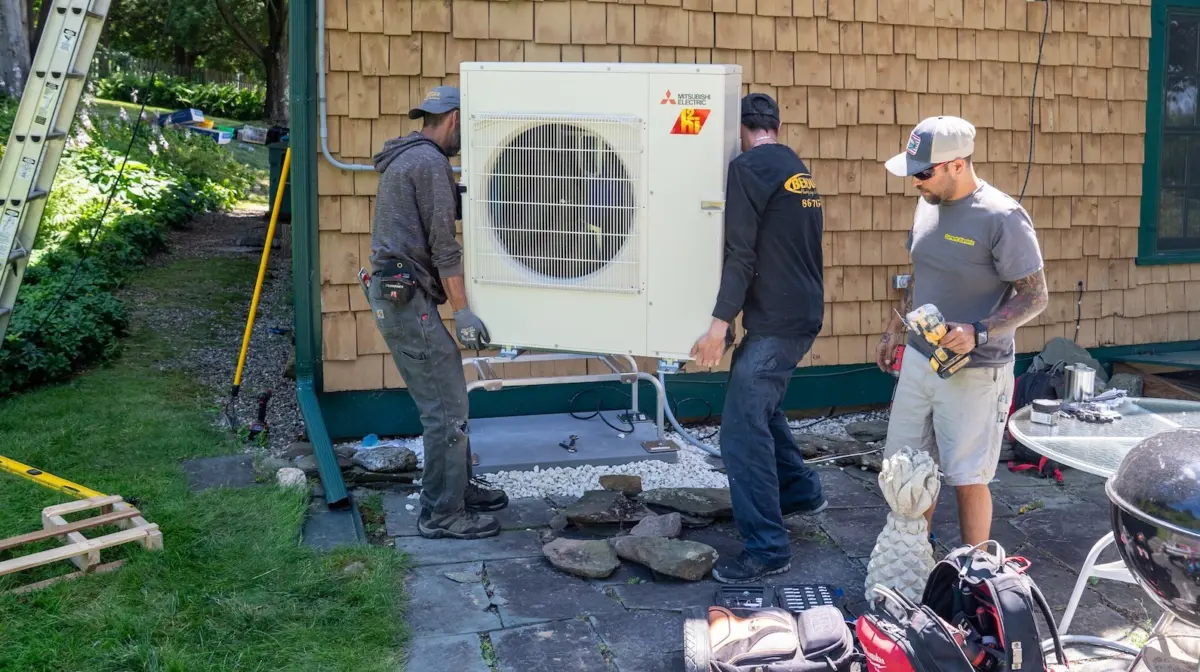
For years, a persistent set of myths has trailed behind heat pumps like a shadow. Skeptics have long argued that these modern climate-friendly appliances—which transfer warmth from outdoor air to an indoor space rather than burning fuel to generate it, like a traditional furnace—simply stop working when temperatures plummet. Others warn that because they run on electricity, a massive nationwide transition to heat pumps would inevitably overwhelm local power grids, causing rolling blackocks and system failures.
As it turns out, both notions are entirely incorrect.
Modern heat pump models designed for frigid climes can keep indoor spaces comfortable even in the dead of winter. If there were any lingering doubts, one need only look to the Nordic countries, which have fully committed to heat pumps despite a regional climate that is decidedly not balmy. Norway, for instance, has embraced the technology on a massive scale, proving that subzero temperatures are no match for contemporary engineering.
Now, as heat pumps prove to be more efficient than ever before, Americans appear to be warming up to the technology. But anxiety over the power grid persists. Critics frequently worry that electrifying home heating en masse will push the electrical infrastructure to collapse. However, a new report from the energy think tank RMI finds that fear to be unfounded. Thanks to a seasonal phenomenon known as "headroom" in the grid during the winter months, three-quarters of U.S. homes—some 109 million properties—could adopt the technology without requiring major new infrastructure buildouts. Doing so would significantly reduce greenhouse gas emissions while slashing electric bills by over 20 percent in some states.
"A substantial number of homes can upgrade to heat pumps within the headroom today," said Ryan Shea, a manager in RMI’s buildings team. "We’d be better utilizing the grid capacity that’s already there, that essentially spreads those costs across more kilowatt-hours, and everyone benefits with a lower electricity rate."
To understand how this is possible, it helps to examine what this grid headroom actually is. It represents the difference between the electrical grid’s generation capacity and actual demand during the winter season. Typically, power demand across the United States peaks in the summer months, when millions of air conditioning units run simultaneously, gobbling tremendous amounts of electricity. During the winter, by contrast, many households traditionally heat their homes with natural gas furnaces. Because they are drawing thermal energy from gas rather than electricity, the overall electrical demand on the grid is lower, leaving a substantial buffer of unused capacity.
"That’s where we see moving to heat pumps, adding that electrical load in the winter, where there is all that available grid capacity, is a way to add load to the grid without needing to build it out more," Shea explained. In other words, keeping 109 million heat pumps running smoothly through the winter months wouldn’t require utilities to construct heaps of expensive new gas-fired power plants.
This seasonal buffer, however, is not uniform from state to state or region to region. Local climates vary dramatically: Phoenix experiences blistering summers that demand extensive air conditioning, but enjoys mild winters requiring very little heating. Boston, on the other hand, deals with a much heavier winter heating burden. How local utilities generate electricity also matters significantly. While gas power plants can run reliably year-round, the rapid expansion of solar power means that renewable generation naturally dips in the winter as daylight hours grow shorter.
To compensate for these seasonal shifts in renewable generation, utilities are actively building sprawling battery farms to store surplus clean energy. They are also experimenting with using electric vehicles as a vast, decentralized network of backup power storage. In some innovative pilot projects, utilities are even using the Earth itself as a giant battery for longer-duration thermal and energy storage. Either way, a combination of renewables, advanced batteries, and grid flexibility is making the power system far more reliable than it has historically been under a sole reliance on fossil fuels, further driving down costs for ratepayers regardless of the time of year.
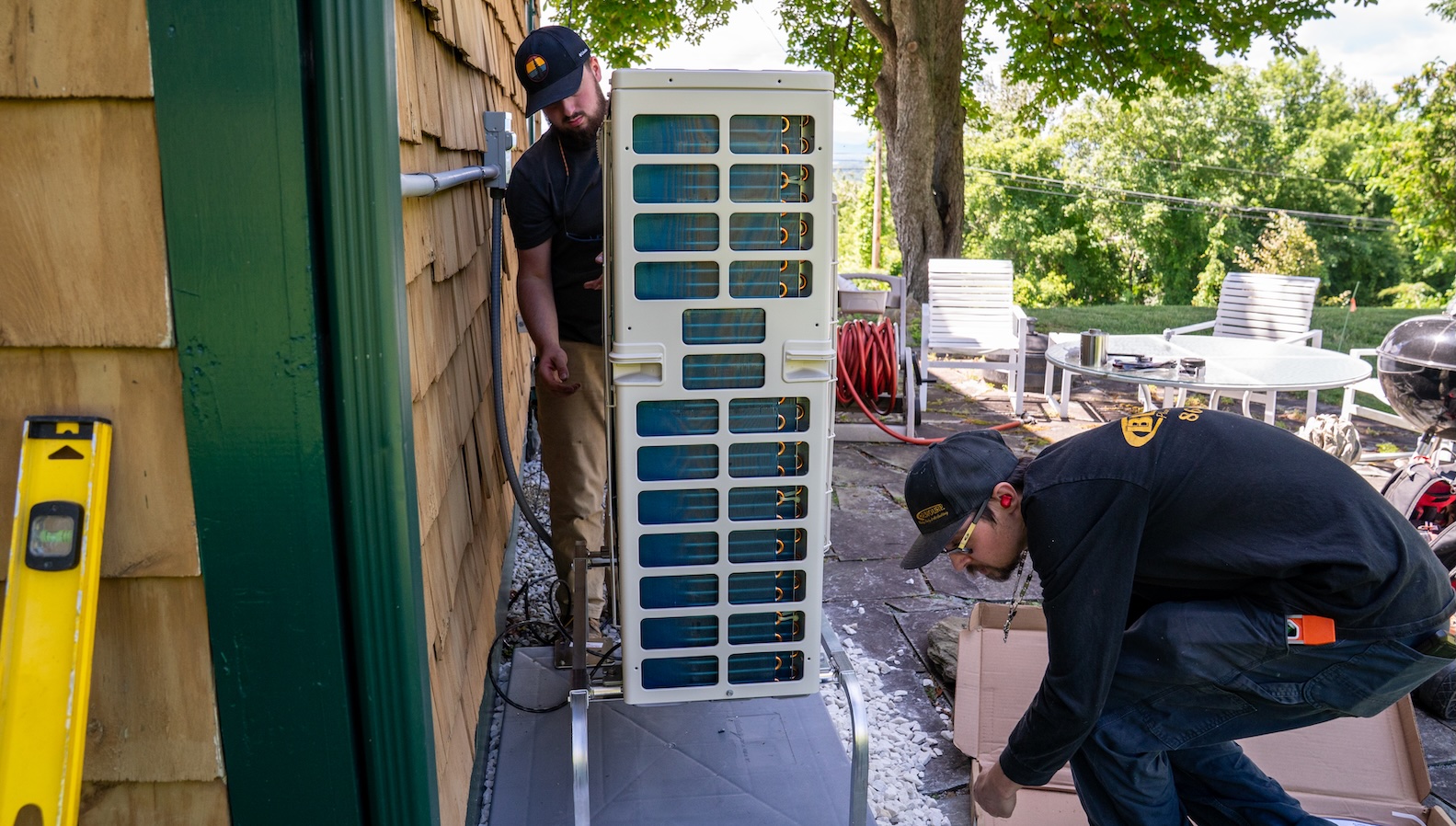
The ultimate goal for energy planners and climate advocates is for heat pumps to completely replace fossil fuels as the dominant method for both warming and cooling our homes. (While famous for their heating capabilities, heat pumps can easily cool a space in the summer by reversing the process and transferring warmth from inside to the outdoor air). But to maximize their impact, heat pumps also need to replace electric resistance heating, such as baseboard heaters and portable space heaters.
Electric resistance heaters are especially common in regions like the Pacific Northwest and the Southeast, which endure less punishing winters than the Northeast. While these conventional electric heaters are an improvement over gas furnaces because they are inherently more efficient at the point of use and do not release toxic air contaminants directly into living spaces, they pale in comparison to heat pumps. Heat pumps are roughly three to four times more efficient than electric resistance heating, meaning they require significantly less electricity to deliver the same amount of comfort.
By demanding less from the grid and from homeowners’ wallets, transitioning from electric resistance heating to heat pumps could theoretically save households an average of $1,530 a year, according to previous research published by RMI.
The central question facing policymakers now is how the United States can accelerate its shift toward heat pumps. A logical starting point is the replacement cycle: when traditional air conditioning units or furnaces break down or reach the end of their lifespans, they should be systematically replaced with heat pumps. State governments can play a vital role by providing financial rebates to encourage homeowners to make the upgrade.
When a state puts its collective policy mind toward the transition, the market can shift much faster than conventional wisdom suggests. Maine, a state hardly known for its comfortable, mild winters, famously blew past its ambitious goal of installing 100,000 heat pumps two years ahead of schedule, prompting Governor Janet Mills to establish even higher targets.
Interestingly, tackling unrelated societal challenges can also yield climate dividends. Building more apartments and taking aggressive steps to ease the broader housing crisis—an issue that occasionally commands rare bipartisan agreement between Democrats and Republicans—serves as a sneaky, highly effective way to integrate more heat pumps into multi-family residential units.
Rather than crashing the grid, heat pumps operating across diverse American climates—from the humid South to sub-arctic cities like Juneau, Alaska—are poised to reduce electricity costs for individual owners while lowering utility rates overall. By smoothing out seasonal demand imbalances and integrating seamlessly with modern renewable energy networks, heat pumps are making the entire power system more flexible.
As affordability dominates political discourse across the country, the humble heat pump could well emerge as an unlikely superstar—a rare feat for a residential heating and cooling appliance.
"We really think there’s a reason to include heat pumps within those affordability plans," Shea said, "and try to really establish some heat pump installation goals."