
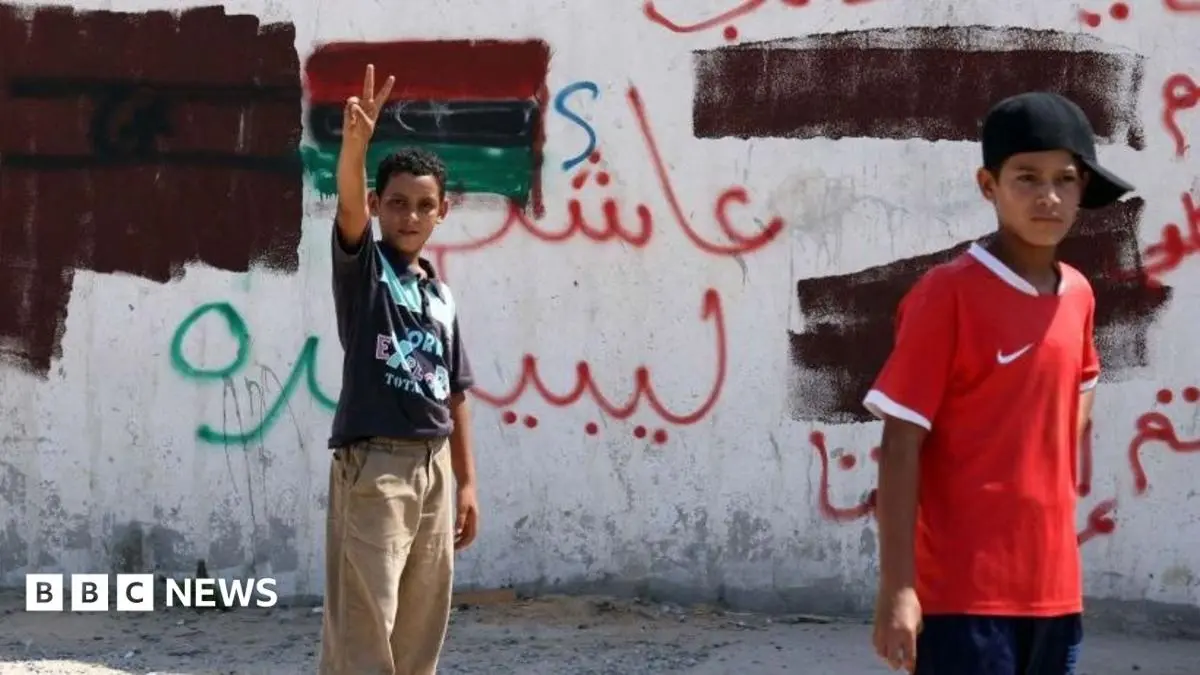
The Dar al-Ifta, Libya’s highest Islamic authority, has issued a formal religious ruling prohibiting Muslims across the country from buying, selling, or wearing clothing and accessories bearing the logo of the American sportswear manufacturer Nike. The decree, issued by the influential institution based in the capital city of Tripoli, asserts that displaying the company’s widely recognized branding is incompatible with Islamic religious principles. The decision bases its prohibition on two primary arguments: the corporate identity’s origins in classical Greek pagan mythology and the company’s alleged support for Israel amid ongoing hostilities in the Middle East.
The ruling, known in Islamic jurisprudence as a fatwa, was formally approved by Libya’s Grand Mufti, Sadiq al-Gharyani. In its official rationale, the Dar al-Ifta outlined theological objections to the fundamental branding of the Oregon-based global sportswear giant. The religious body emphasized that the corporation was named after Nike, the ancient Greek goddess of victory, and that its world-famous emblem—commonly referred to as the "swoosh"—was originally designed to represent the wings of the pagan deity. According to the council’s interpretation, wearing or trading garments that display this imagery amounts to promoting and popularizing symbols inherently tied to polytheism, or the worship of multiple gods, which represents a fundamental violation of Islamic monotheistic theology.
The historical context surrounding classical Greek heritage holds a prominent place in Libya’s physical landscape. The North African nation contains significant archaeological sites dating back to antiquity, most notably the ancient Greek city of Cyrene, located in northeastern Libya. Cyrene was established in the seventh century BC and grew into a major cultural and urban center of the classical world. Today, the ruins of the historic city feature well-preserved classical architecture and archaeological artifacts, including an ancient stone statue depicting the goddess Nike herself. The presence of these physical remnants illustrates the long-standing, tangible connections to Greek history that exist within Libyan territory.
Alongside its theological arguments regarding pagan iconography, the Dar al-Ifta incorporated significant geopolitical grievances into its religious determination. The committee explicitly accused Nike of providing support to Israel and called upon Muslims to boycott commercial entities that back the nation. To reinforce this position, the council referenced an earlier formal directive published by its Council for Research and Sharia Studies on November 5, 2023. That previous statement had instructed Muslims to enact economic boycotts against Western corporations and commercial brands deemed supportive of Israel during the ongoing military conflict in Gaza, positioning consumer boycotts as an expression of solidarity and religious duty.
In terms of legal force, the fatwa issued by the Dar al-Ifta functions as a religious legal opinion rather than an enforceable state law or executive order. Under Islamic tradition, a fatwa serves as non-binding guidance provided by qualified Islamic scholars regarding matters of faith, morality, and daily practice. As a result, the latest announcement from the Tripoli-based authority does not represent an official government-enforced ban on Nike products across Libya. The ruling does not specify criminal penalties, civil fines, or administrative sanctions for individuals, retail shop owners, or street vendors who choose to continue buying, selling, or wearing items bearing the Nike name or logo.
The reach and social impact of the ruling must also be viewed within the context of Libya’s fractured political environment. The nation has remained politically divided for over a decade following the 2011 NATO-backed uprising that resulted in the removal and death of long-time leader Muammar Gaddafi. Since the conflict, Libya has lacked a unified national government, instead becoming divided between rival political regimes, administrations, and public institutions operating out of western regions, centered in Tripoli, and eastern territories, centered around Benghazi and Tobruk. While the Dar al-Ifta operates from Tripoli and commands substantial moral authority among conservative segments of society, its decrees do not function as uniform statutory laws across the country’s divided jurisdictions.
This latest decree against Nike follows previous efforts by Libya’s primary religious council to regulate consumer goods based on religious doctrine. Last year, the Dar al-Ifta issued a similar religious ruling targeting high-end international fashion accessories, specifically banning the wearing and sale of jewelry and watches produced by the French luxury house Van Cleef & Arpels. In that ruling, the scholars argued that the brand’s signature four-leaf clover motif was closely associated with Christian beliefs and secular concepts regarding the active pursuit of good luck. The religious authority stated that wearing items meant to bring fortune conflicted directly with Islamic teachings regarding divine preordination and faith, rendering such symbols unacceptable for Muslim consumers.
The announcement of the fatwa banning Nike apparel sparked immediate and varied reactions across Libyan social media platforms, highlighting differing public perspectives on the role of religious guidance in personal consumption. Among digital commentators, public sentiment appeared divided. Some social media users welcomed the Dar al-Ifta’s ruling, praising it as a commendable stand against polytheistic imagery and an important demonstration of economic opposition to companies tied to Israel. Conversely, other commentators voiced skepticism regarding the edict, questioning its broader relevance. Critics on social platforms characterized the religious prohibition as ironic or suggested that focusing on athletic wear served as a distraction from the far more urgent political, economic, and security challenges facing everyday Libyans.
The controversy over sportswear imagery aligns with broader ongoing debates regarding the increasing influence of religious conservatism in Libyan public life. Over recent years, public space and cultural expression have faced heightened scrutiny from both religious bodies and regional administrative authorities. In 2025, authorities in eastern Libya introduced broad official restrictions on cultural events and performances, specifically targeting rap music, theatrical productions, and public dance events. Administrative officials justified those restrictions by claiming that certain artistic lyrics, movements, and dramatic themes compromised public morals and violated traditional Islamic values. The cultural restrictions initiated in the east were later extended into western regions of Libya as well.
The Dar al-Ifta has similarly expressed conservative stances on cultural practices, having issued religious opinions criticizing music and public entertainment in the past. However, there is no direct evidence indicating that the Tripoli-based religious institution was officially involved in drafting or implementing the government administrative restrictions placed on musical, theatrical, and dance performances across the country, indicating that while religious rulings and state moral policies often align in tone, they operate through separate channels.
The commercial reality on the ground presents additional layers of complexity to the fatwa’s potential implementation. Nike does not operate official corporate stores or direct brand-owned outlets within Libya. Despite the absence of formal corporate retail locations, Nike-branded products remain widely available to Libyan consumers. Authentic merchandise is typically imported through independent sportswear retailers, specialized commercial importers, and third-party athletic equipment shops operating in major cities across the country.
Major Western athletic brands, including Nike and its main competitor Adidas, maintain immense cultural popularity and consumer demand across North Africa. In Libya, as across neighboring Maghreb nations, sportswear is heavily worn by youth, sports enthusiasts, and the broader public. Consequently, a substantial market exists for both genuine items and unauthorized knockoffs. In local bazaars, open-air markets, and informal commercial stalls throughout Libya, counterfeit versions of popular international sportswear brands are widely bought and sold, creating a pervasive market presence that operates largely outside official corporate oversight.
Following the publication of the fatwa, international news organizations, including the BBC, reached out to Nike’s corporate headquarters seeking comment regarding the religious ban, its theological allegations, and the accompanying calls for an economic boycott. At the time of publication, the sportswear company had not publicly issued a response to the Libyan authority’s edict. The situation underscores the complex dynamics faced by major Western consumer brands, whose global marketing, historical logo designs, and corporate operations can become focal points for theological debate and political boycotts in international markets.