
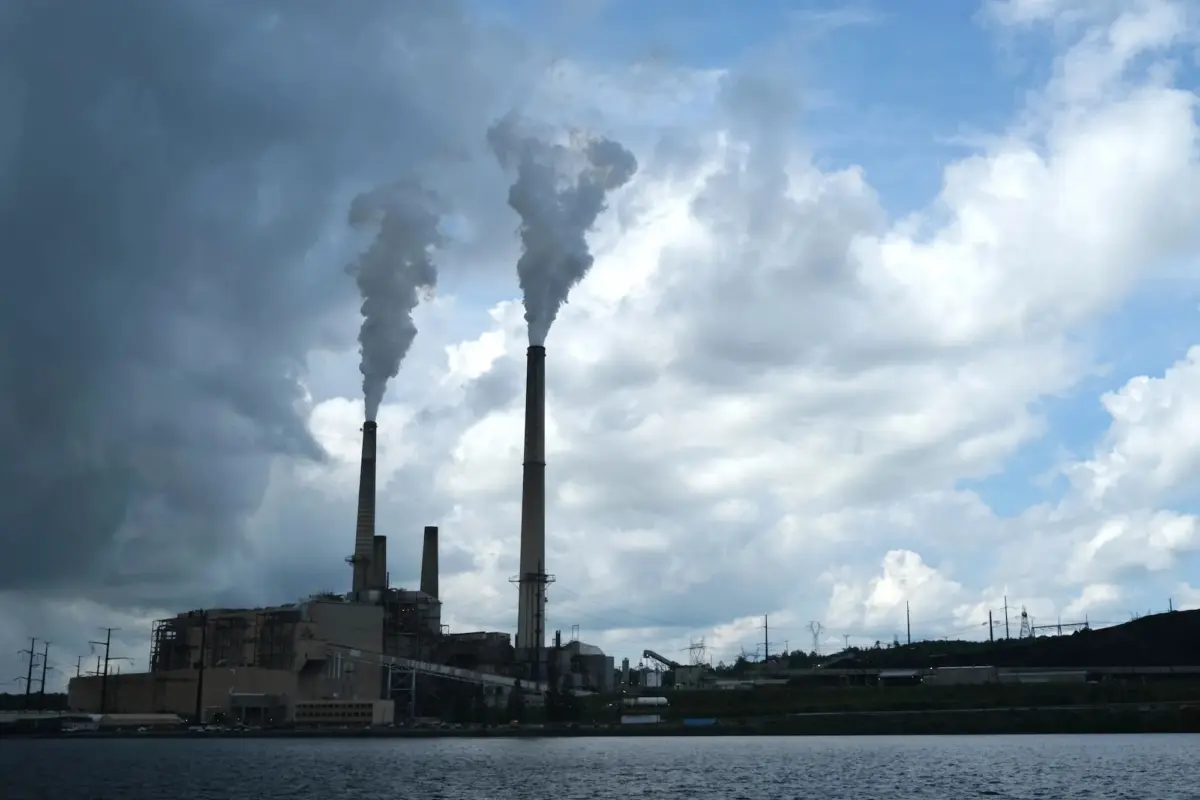
Just last year, the global trajectory for coal appeared to be heading firmly toward a definitive end. According to forecasts issued by the International Energy Agency (IEA), global demand for the world’s dirtiest fossil fuel had seemingly plateaued, setting the stage for a gradual, structural decline leading into 2030. Climate advocates and energy analysts alike breathed a cautious sigh of relief, viewing the projections as a tangible sign that international climate agreements were finally beginning to reshape the global energy landscape.
However, the geopolitical and economic landscape of the current year has upended those expectations entirely. In a sharp reversal, the IEA recently projected that global coal consumption will climb to an all-time record high of 8.94 billion metric tons by 2026. This unexpected resurgence has dominated financial and energy headlines, with commentators declaring that coal is suddenly "back in fashion" and staging an aggressive "comeback" on the global stage.
The catalyst for this dramatic pivot can be traced directly to volatility in the Middle East. Ongoing conflict involving Iran severely disrupted vital shipping lanes and choked off a significant portion of the world’s oil and natural gas supplies, particularly through the strategic choke point of the Strait of Hormuz. The resulting supply shock plunged global energy markets into a severe crisis, forcing numerous nations to scramble for immediate, reliable replacements to keep their power grids running.
"The main thing is that coal is going up because gas is going down," explained Daan Walter, who leads strategy research on the future of energy for the international energy think tank Ember. When natural gas supplies dwindled and prices skyrocketed, utilities with coal-fired infrastructure readily available found themselves with few alternative choices for immediate baseload power generation.
Despite the eye-catching consumption figures and bullish rhetoric from traditional energy sectors, seasoned energy analysts remain deeply skeptical about whether this trend represents a permanent reversal of fortune.
"I think it’s important to distinguish between a small short-term bump in coal use and a genuine resurgence of the coal industry," said Christine Shearer, a coal analyst at Global Energy Monitor, an organization that tracks coal plants and energy infrastructure projects worldwide. Rather than signaling a new golden age for fossil fuels, many experts argue that the current energy crisis will ultimately serve to accelerate the global adoption of renewable energy sources and clean technology as nations seek insulation from geopolitical oil and gas shocks.
The tension between short-term reliance and long-term phase-out goals highlights a deep-seated global contradiction. Nearly every nation on earth formally agreed to "phase down" coal usage at a pivotal international climate conference held in Glasgow five years ago. This commitment was underpinned by the stark reality that coal is the most carbon-intensive and polluting source of electricity generation known to modern industry, releasing substantially more carbon dioxide and hazardous air pollutants per unit of energy produced than either oil or natural gas.
Yet, mining conglomerates and right-leaning political figures have aggressively seized upon the ongoing energy crisis to advocate for renewed investment in coal-fired infrastructure. Data from the IEA indicates that global investment in coal reached its highest level in 14 years, illustrating a sudden willingness among certain stakeholders to inject capital back into a sector widely considered obsolete in a net-zero future.
In Australia, the political landscape is reflecting these shifting economic winds. David Crisafulli, the premier of the Australian state of Queensland, recently stated that he would welcome proposals for brand-new coal-fired power stations. The push is tied in part to massive anticipated energy draws from technology infrastructure, including a high-profile deal inked by AI giant Anthropic for a sprawling $32 billion data center project in Western Downs. Meanwhile, in Canada, the mining company Northback is actively working to reopen a former coal mine in Alberta that was shuttered nearly six decades ago, motivated by short-term profit prospects and market projections anticipating immediate regional and global demand over the coming decade.
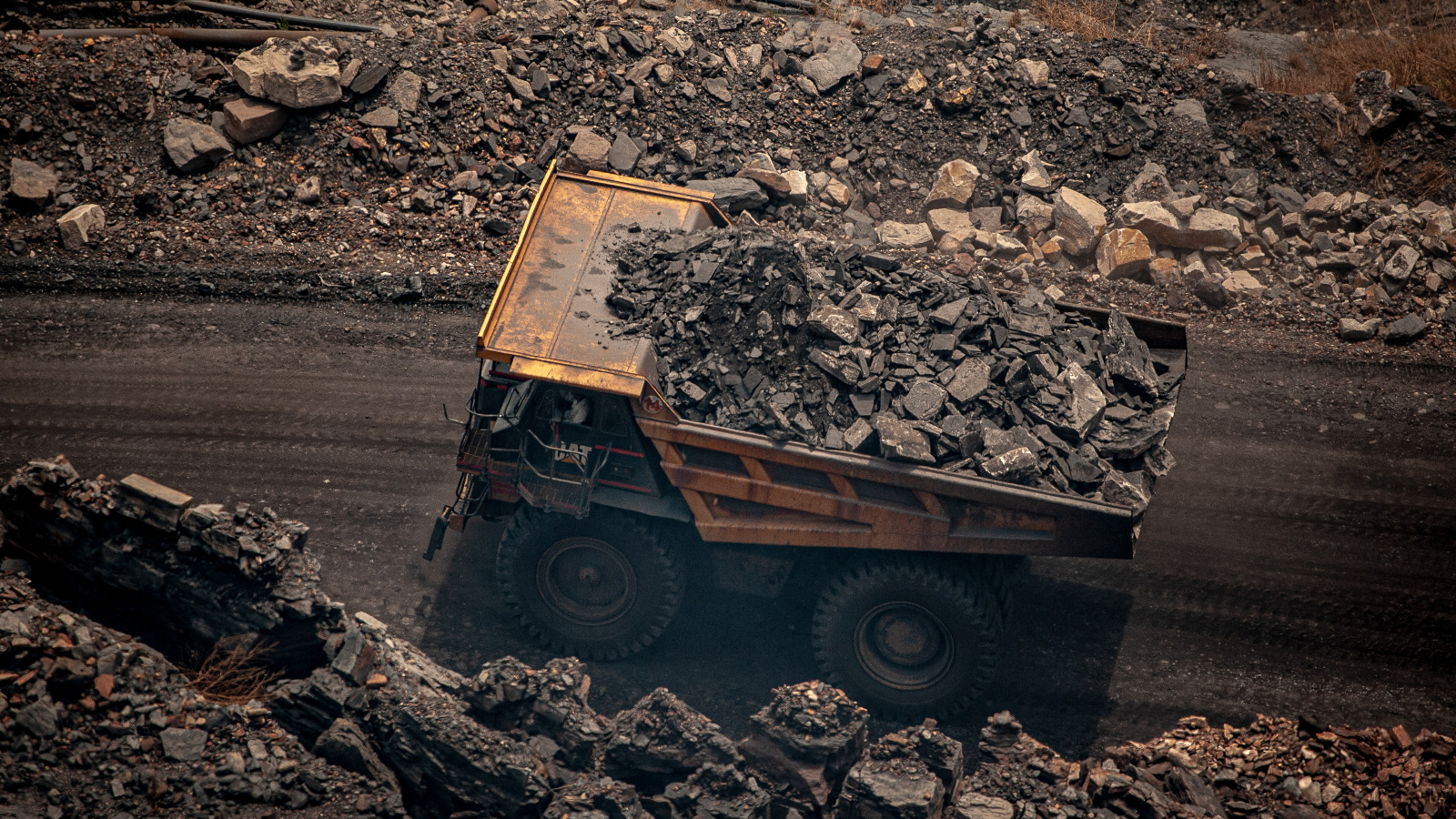
To energy researchers like Walter, however, these long-term gambles on infrastructure with multi-decade lifespans are fundamentally miscalculated. "There’s a big sugar rush right now," Walter said, warning that a severe economic correction—or a "sugar crash"—could easily set in well before these newly proposed mining operations and power plants are even completed. "They’re all rushing in, and they are all making, I think, reckless business plans."
Simultaneously, the broader energy shock has driven a parallel transformation that threatens to permanently undermine long-term fossil fuel demand. The severe oil and gas crunches triggered by regional conflicts—compounded by soaring energy prices following the earlier Russian invasion of Ukraine—have acted as an unintended carbon tax, forcing governments and industries to permanently rethink their security dependencies. Because fossil fuel imports have proven intensely volatile and politically vulnerable, national planners are increasingly viewing domestic wind, solar, and battery storage as the ultimate guarantee of energy security.
This structural shift is unfolding against the backdrop of an unprecedented surge in global electricity demand. Modern power grids are facing skyrocketing consumption not only from the proliferation of energy-hungry artificial intelligence data centers, but also from surging residential and commercial power requirements for air conditioning as global temperatures continue to break historical records.
Remarkably, a vast majority of this newly added electricity demand is being met not by fossil fuels, but by rapid deployments of wind and solar capacity. According to a report released by the International Monetary Fund, this staggering growth in clean power infrastructure has acted as a critical economic cushion, helping to absorb the worst economic shocks of the recent oil crises. However, the IMF also issued a stark warning, noting that the global economy is rapidly approaching the limits of its resilience against future systemic energy shocks.
This dynamic creates a profound sense of whiplash for observers trying to reconcile headlines about an emerging "age of electricity" driven by renewables with parallel reports of coal’s temporary upswing. Yet energy experts emphasize that both realities can coexist simultaneously during a turbulent transition period.
"The immediate response to an energy crisis can be more fossil fuel use, even as the longer-term response is to reduce dependence on those fuels altogether," Shearer noted.
A prime example of this duality is visible in India. Officials within the nation’s power sector recently indicated that India may be compelled to add significantly more coal-fired power capacity than initially planned, driven by soaring domestic demand compounded by diminished hydroelectric output caused by weaker-than-average monsoon rains.
At the very same time, however, India is engaged in one of the most aggressive clean energy expansions in human history. Having quadrupled its renewable energy capacity to approximately 300 gigawatts over the past decade, the country remains comfortably ahead of schedule in meeting its ambitious climate commitments under the international Paris Agreement.
Ultimately, while coal boosters may celebrate the industry’s temporary rebound over the next few years, analysts point out that coal’s resurgence is largely a localized expansion of its footprint within a shrinking overall slice of the global energy mix. Comparing the fossil fuel’s temporary reprieve to the fate of an ill-fated luxury liner, Walter offered a sobering perspective for investors rushing back into the market: "It’s a great party to have for a couple of hours, but then you’re going down with the ship."