
In the world of modern home cooking, the search for maximum flavor with minimal effort is a continuous pursuit. Culinary enthusiasts and busy weeknight cooks alike are constantly hunting for formulas that deliver complex, restaurant-quality results without requiring hours of preparation, an endless grocery list, or advanced kitchen techniques. Enter a surprisingly powerful trio of pantry staples that is currently capturing attention across the culinary world: miso, soy, and honey. This dynamic combination creates an intensely savory, perfectly balanced glaze that can elevate virtually any protein or vegetable it touches, transforming humble ingredients into something extraordinary.
Featured as part of the popular culinary series dedicated to recipes so effortless they can be executed with minimal concentration, this approach champions tiny ingredient lists, laid-back cooking techniques, and flavors so rewarding they prompt home cooks to share their success immediately. The philosophy behind the series relies on the idea that exceptional food does not need to be complicated. By focusing on high-impact flavor profiles where individual components pull double duty, home cooks can achieve deeply satisfying meals with very little friction.
At the heart of this specific culinary development is a three-ingredient marinade built on a foundation of sweet, salty, and earthy notes. The formulation requires just one-quarter cup of honey, one-quarter cup of white miso, and one tablespoon of low-sodium soy sauce. When combined, these three components create a harmonious balance. The honey supplies a rich, floral sweetness that caramelizes beautifully when exposed to heat, while the white miso—known for its milder, slightly sweet, and deeply savory profile—adds a rich umami depth that coats the palate. Meanwhile, the low-sodium soy sauce ties the mixture together, providing just enough saltiness and fermented complexity to keep the sweetness in check without overwhelming the dish.
While this versatile marinade is exceptionally well-suited for chicken, its applications extend far beyond poultry. Culinary experts note that the same savory-sweet blend can make just about anything sing, whether it is applied to delicate seafood like cod or salmon, sturdy vegetables such as broccoli or zucchini, or plant-based staples like firm tofu. The adaptability of the mixture lies in its chemical makeup; the sugars in the honey and the proteins in the miso and soy sauce interact with heat to form a rich, deeply browned exterior on whatever ingredient is chosen, sealing in moisture while building layer upon layer of rich flavor.
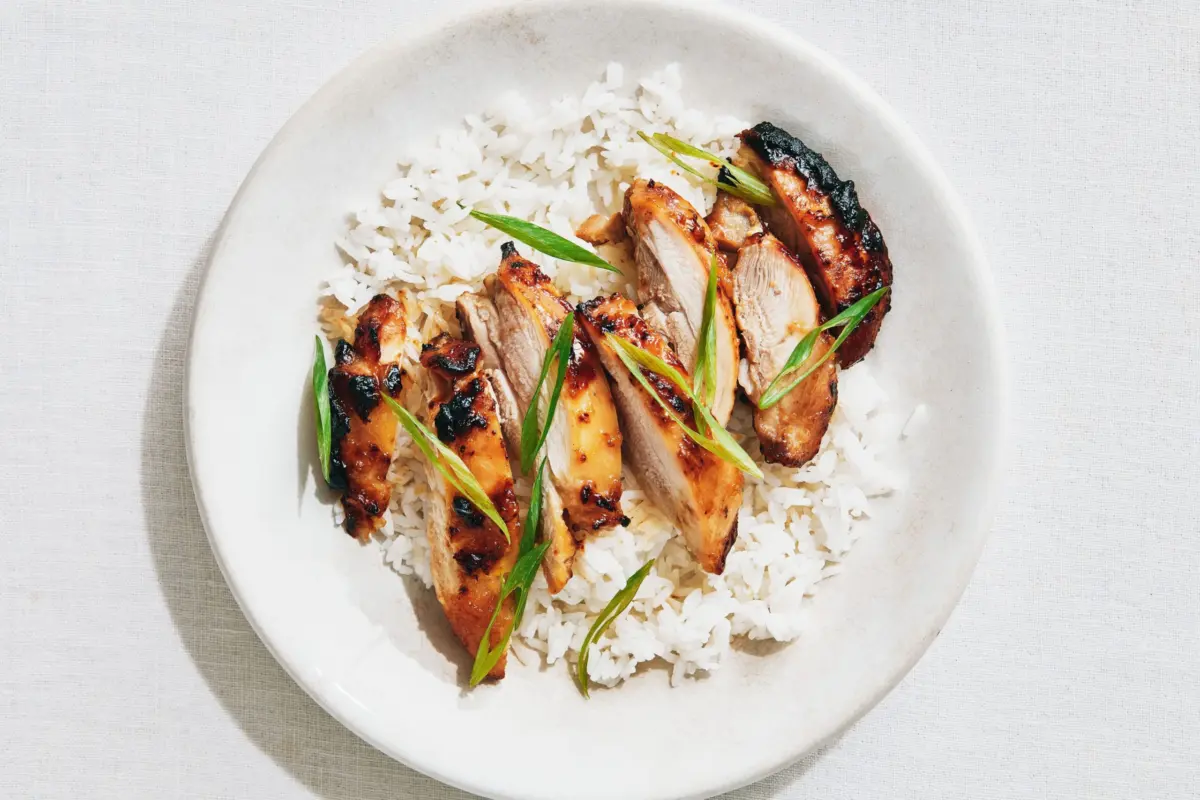
When applying this potent mixture to poultry, specifically boneless and skinless chicken thighs, the results are remarkably tender and juicy. Chicken thighs are naturally forgiving and hold up exceptionally well to high-heat cooking methods, making them an ideal vehicle for a glaze that relies on sugars for caramelization. However, cooks are advised to maintain a watchful eye on the protein during the cooking process. Because honey has a high sugar content and miso can brown rapidly, the marinade can transition from perfectly caramelized to completely blackened in a matter of moments. This is particularly true for kitchens equipped with a drawer-style broiler located at the bottom of the oven, where intense direct heat can catch a cook off guard. Checking the chicken frequently ensures that the exterior achieves a gorgeous, sticky mahogany finish rather than an acrid, charred surface.
The simplicity of the preparation is matched by the flexibility of how the final dish can be presented at the table. Once the protein has been successfully marinated and cooked to juicy perfection, it pairs wonderfully with simple accompaniments that allow the bold flavors of the glaze to take center stage. Traditional pairings include a bed of steaming white rice, which readily absorbs any excess savory juices, and a generous scattering of thinly sliced fresh scallions to add a sharp, clean bite that cuts through the rich umami profile of the honey and miso.
For home cooks navigating the modern kitchen landscape, the appeal of such a streamlined recipe goes beyond convenience. It represents a shift toward intuitive cooking, where understanding how a few key ingredients interact eliminates the need for overly complex instructions or specialized culinary training. By relying on pantry stalwarts that are increasingly accessible in standard grocery stores, everyday cooks can execute dishes that feel deliberate, sophisticated, and deeply comforting. As this three-ingredient approach continues to resonate with food enthusiasts looking to streamline their routines without sacrificing taste, the honey, miso, and soy combination is solidifying its place as a modern kitchen essential.