
The stock market continues to surprise observers, prompting frequent reassessments of global economic stability. When equities crash, retirement accounts shrink, triggering immediate anxiety among investors. Yet, even when markets surge to unprecedented, record-breaking valuations, deep-seated worries persist. The prevailing fear is that elevated valuations inevitably precede a catastrophic correction, a concern acutely amplified by the current frenzy surrounding the artificial intelligence boom.
For many observers who remain detached from the daily financial drama, the focus is simply on enjoying life. However, understanding the broader context of the current technological wave requires looking at how past market cycles have played out. Investors today worry that while artificial intelligence is undoubtedly a transformative technological invention, the market mania surrounding it is moving too fast and reaching unsustainable heights. Many fear a replay—or an even larger version—of the dot-com crash of the early 2000s.

That historical parallel carries personal resonance for figures like early retirement advocate and internet financial commentator Mr. Money Mustache, whose early career was supercharged by the dot-com boom before the subsequent crash nearly derailed his job security and citizenship application. Addressing frequent inquiries about the current investment cycle, financial commentators are taking their insights beyond digital platforms and onto the stage, delivering presentations at gatherings like Camp FI Midwest and upcoming industry forums such as the Bogleheads conference.
Historical Parallels and the Evolution of Financial Anxiety
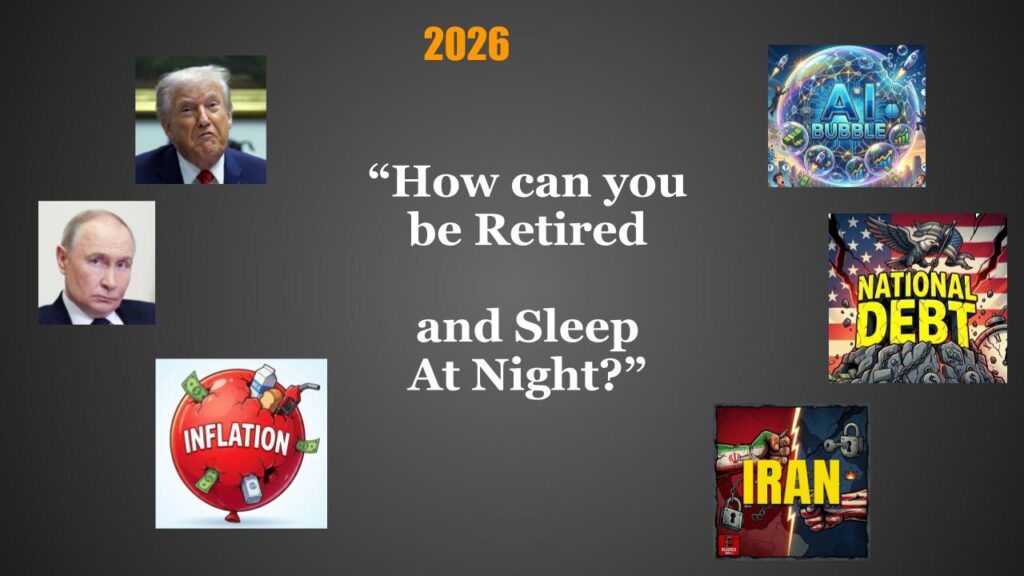
Reflecting on decades of financial independence, observers often encounter anxious questions from peers questioning how anyone can remain comfortable and sleep soundly given the state of the world. A review of modern history reveals that human anxiety is a perennial constant, though the specific targets of our fears shift with the eras.

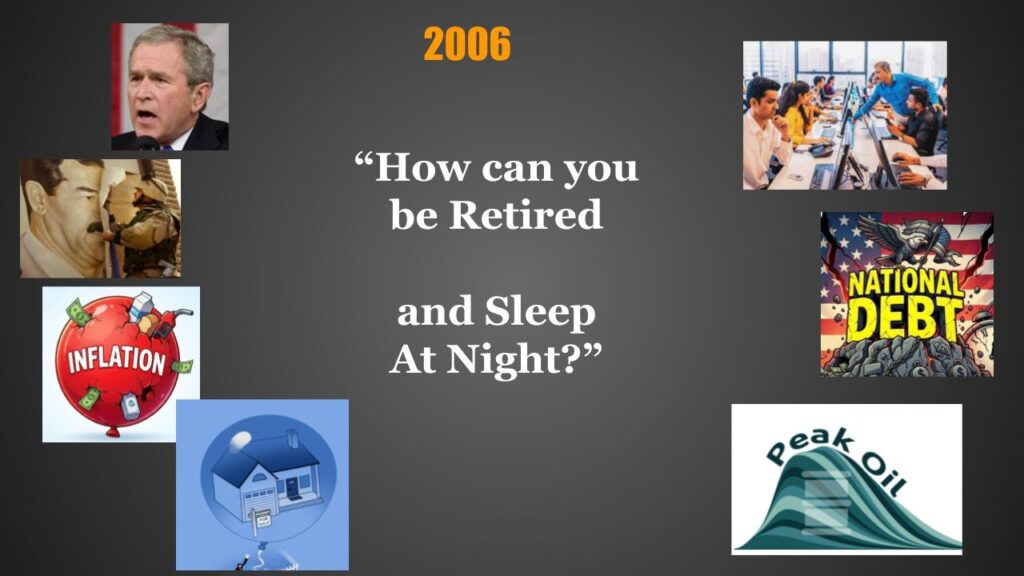
Looking back twenty years to 2006, the worries dominating the cultural and financial landscape were distinct yet familiar. At the time, the world fixated on controversial political leaders, ongoing conflicts in the Middle East, escalating national debt, and rising inflation. Market anxieties were equally intense, driven not by artificial intelligence, but by the burgeoning housing bubble that would soon trigger the Great Financial Crisis. Workforce anxieties centered on outsourcing jobs to India and China rather than automation, while global debates raged over "Peak Oil" and the impending depletion of fossil fuels—a fear ultimately upended by technological shifts.
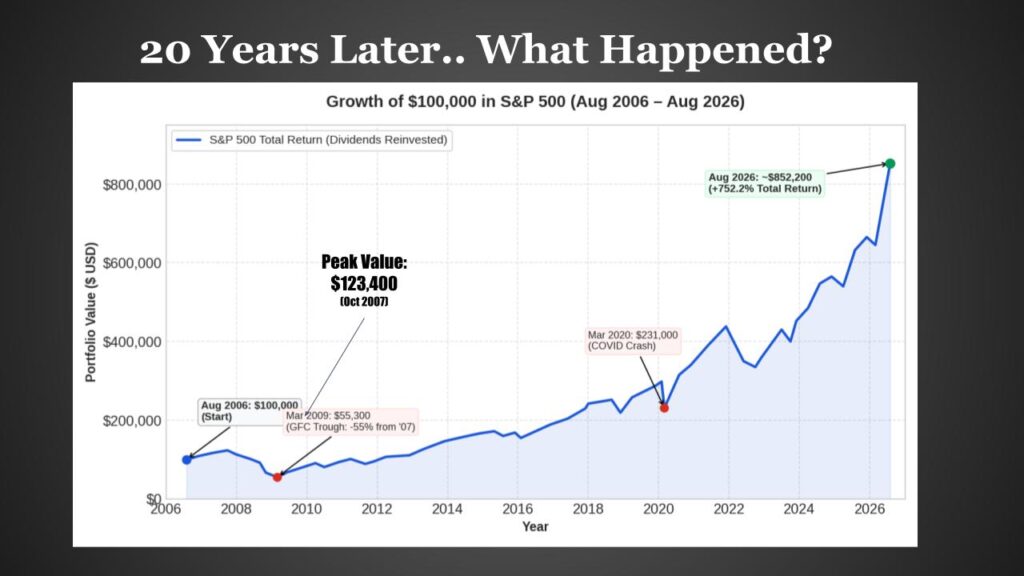
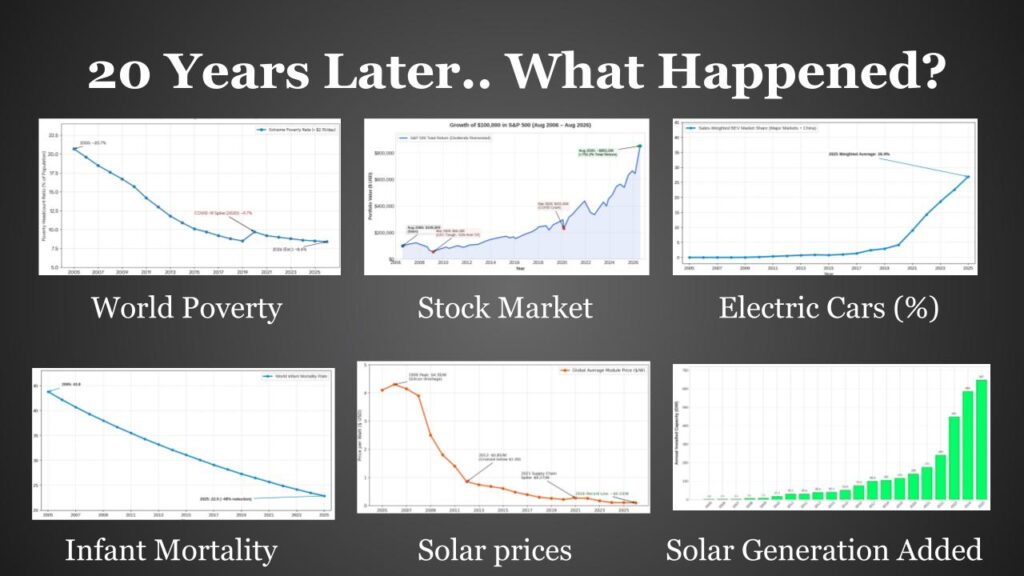
Despite the severity of the Great Financial Crisis—the largest market crash since the Great Depression—the long-term trajectory of a diversified investment portfolio reveals a starkly different reality. A $100,000 investment held over that twenty-year span, weathering both the 2008 crash and the pandemic-induced market drop of 2020, grew substantially over the long term.

Simultaneously, broader global indicators demonstrated remarkable structural improvements. Over a twenty-year period, the proportion of the global population living in extreme poverty dropped significantly, infant mortality rates were cut in half, and clean energy adoption accelerated as solar panels plummeted in price. Solar generation now constitutes the vast majority of new energy capacity added globally, while sales of electric vehicles have scaled dramatically.
These historical trends challenge the narrative of chronic doom. When examining whether current concerns—such as towering national debt, geopolitical conflicts, or the AI market bubble—spell irreversible disaster, analysts point out a fundamental economic truth: true prosperity stems from productivity, not financial abstractions.
The Core of Prosperity: Productivity Over Paper Wealth
Financial systems, stock markets, and monetary valuations are fundamentally human inventions, represented by numbers on computer screens. If a financial system experiences a severe correction, societies retain the capacity to restructure their economic frameworks and resume productive labor, a mechanism demonstrated during previous financial panics.
Economic growth, standard of living improvements, and the feasibility of early retirement are fundamentally anchored in productivity. The integration of advanced tools and technologies enhances human capability, driving real-world output rather than speculative paper wealth.
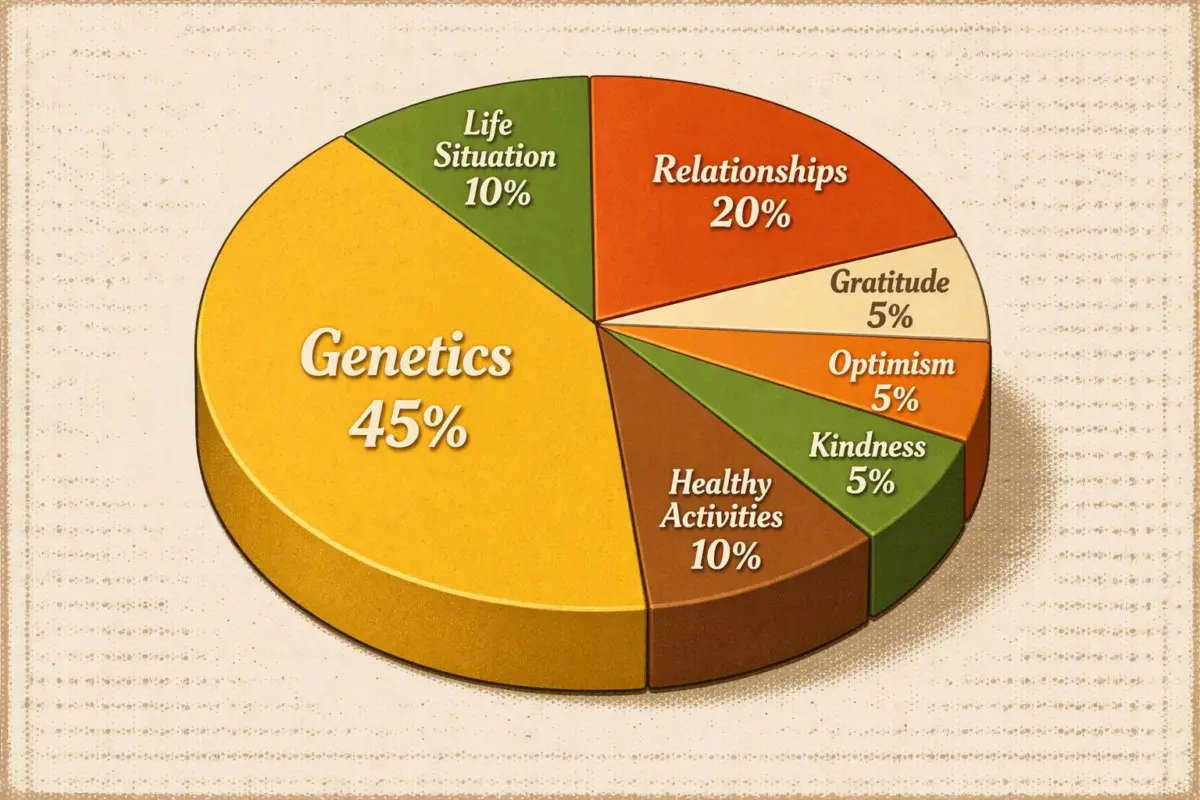
Furthermore, once societies achieve a baseline standard of living, human happiness ceases to scale purely with material accumulation. Psychological and behavioral factors—such as strong social connections, personal resilience, outdoor physical activity, and a foundational philosophy of optimism—play a far greater role in determining overall life satisfaction. Genetics and personal habits heavily influence happiness, while financial wealth remains merely one component of an individual’s overall life situation.
Understanding and Managing Fear in Modern Markets
Persistent anxiety in the face of market volatility is deeply rooted in human evolution. Humans evolved as danger-detection machines, utilizing background fear to protect against immediate physical threats. However, in modern environments devoid of traditional predators, this psychological machinery often repurposes itself, shifting focus toward economic scarcity, social belonging, and financial metrics.
This behavioral pattern manifests in various ways, from anxiety over market downturns to preoccupation with regulatory requirements like Required Minimum Distributions, which mandate withdrawals for individuals who have accumulated substantial retirement savings. Recognizing the irrationality of these fears is the first step toward mitigating their impact.
Examining personal history and childhood backgrounds often sheds light on entrenched scarcity mindsets. Individuals who grew up during periods of economic hardship, or those who experienced trauma, frequently carry heightened anxiety into adulthood. Recognizing that these emotional responses stem from past experiences rather than an objective evaluation of the present moment allows for a more rational approach to risk management.
Taking direct action remains one of the most effective ways to counteract fear, transforming the unfamiliar into the manageable and building personal resilience. For investors and retirees alike, tuning out sensationalized daily news cycles and focusing on positive, productive behaviors yields better psychological and financial outcomes. Engaging in physical activity, prioritizing continuous learning, and surrounding oneself with optimistic, forward-thinking communities help reframe uncertain situations—including technological shifts—as manageable experiments rather than existential threats.
Artificial Intelligence as a Productivity Tool
This experimental mindset applies directly to the rapid emergence of artificial intelligence. While technological shifts naturally introduce uncertainty and cause displacement in entry-level administrative, software, and transportation roles, they simultaneously function as a powerful driver of economic efficiency.
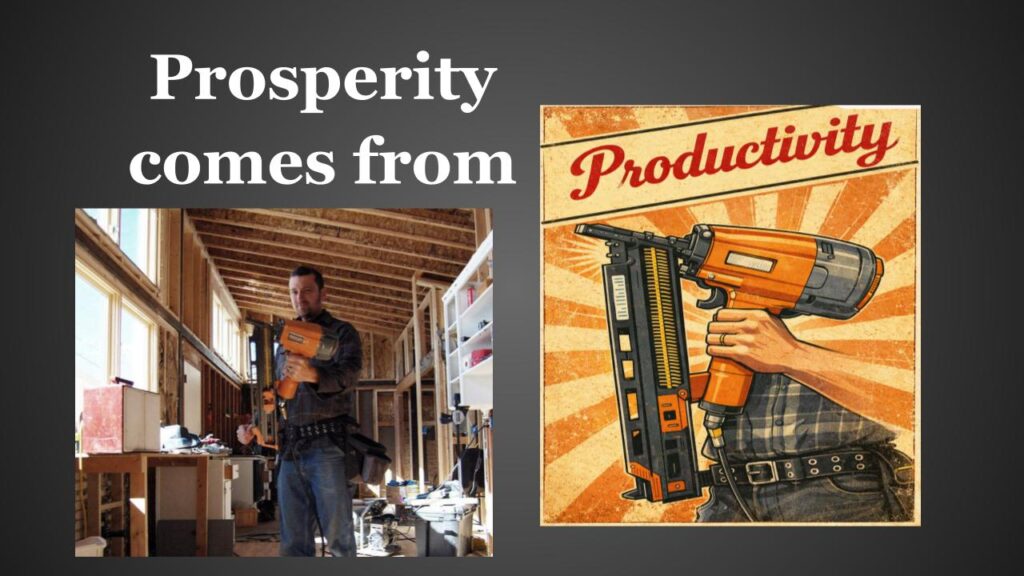
Described by technologists as a sophisticated "cognitive nail gun," artificial intelligence enhances human productivity by lowering the cost of complex cognitive tasks. Historically, productivity-enhancing technologies have displaced specific job categories while simultaneously reducing consumer costs and catalyzing entirely new industries, much like the advent of the internet and mobile computing.
While the economic rewards of such innovations frequently concentrate among capital owners and shareholders, the broader technological integration mirrors past industrial transitions. Artificial intelligence presents an opportunity for individuals to adapt, learn, and leverage new tools rather than succumb to apprehension. Ultimately, navigating economic cycles and technological revolutions requires looking past short-term volatility and focusing on long-term human resilience, productivity, and the deliberate management of fear.