
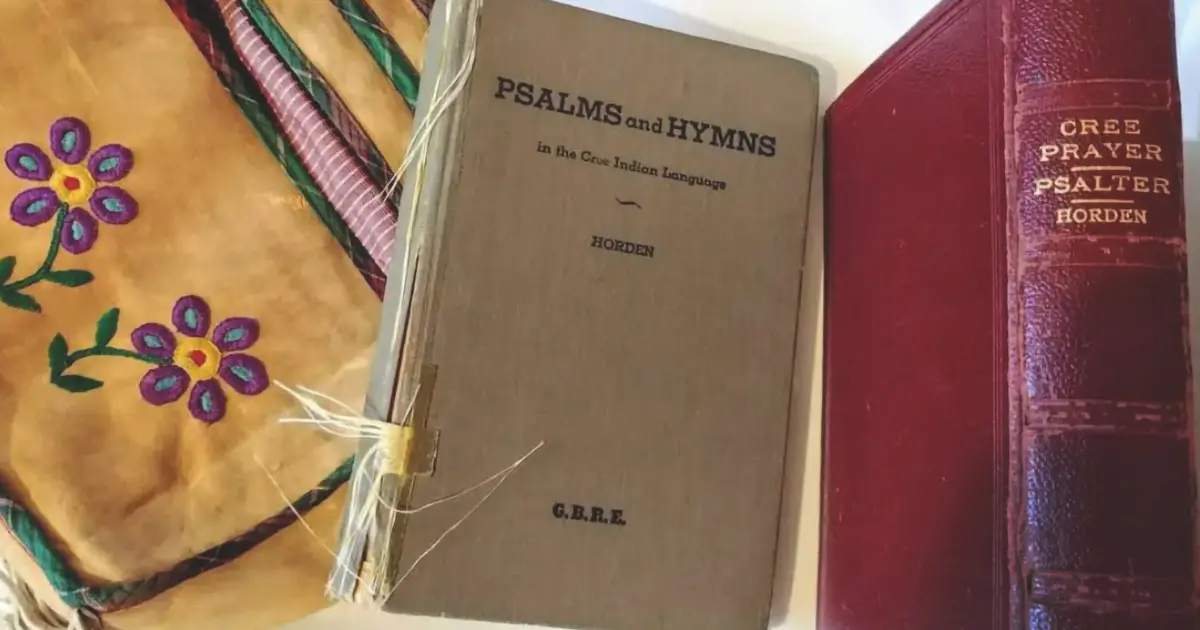
For Trudy Sailors, the memory remains as vivid as the childhood days she spent growing up right next door to a community cornerstone. Growing up in the 1960s adjacent to St. Thomas’ Anglican Church, Sailors saw firsthand the vital, irreplaceable role the sacred space played as a natural gathering place for the entire community. Built to serve generations of worshippers in the historic Moose Cree First Nation community of Moose Factory, located near James Bay in northern Ontario, the church was consecrated way back in 1864. For over a century, it stood as a silent witness to the joys, sorrows, and daily rhythms of local life.
Yet, time and harsh northern elements eventually took a heavy toll. By 2006, the aging timber building had fallen into a severe state of disrepair, forcing the Anglican Diocese of Moosonee to issue an official order for its deconsecration and closure. It was a heartbreaking moment for local residents, not least because the structure held generations of personal history.
"It was sad," remembers Sailors, who was baptized inside the historic walls of what fondly came to be known locally as Old St. Thomas. Ever since those doors were shuttered nearly two decades ago, the displaced Anglican congregation has had to improvise, moving its services into a nearby Catholic church just to maintain a regular place of worship.
Moose Factory itself holds a storied and deeply rooted place in Canadian history. Founded on traditional Cree lands as an early trading post established by the Hudson’s Bay Company during the 1670s, the community has experienced profound social, cultural, and religious shifts over the centuries. According to Cecil Chabot, who was born and raised in Moose Factory, Anglicanism served as the primary and dominant form of Christianity in the community for the vast majority of its recorded history. Among its institutional footprints, the church operated the Bishop Horden Hall residential school in Moose Factory until it finally closed its doors in 1976—a legacy that continues to cast a complex shadow over the region’s spiritual landscape.
Today, the spiritual fabric of Moose Factory is diverse and continually evolving. While some local residents are actively shedding settler spiritual traditions in favor of resurgent Cree cultural and spiritual practices, others have found a welcoming home in newer evangelical denominations that have established roots in the area. These shifts have inevitably changed the religious demographics of the region.
These days, only a dozen or so dedicated churchgoing Anglicans remain in Moose Factory, representing a tiny fraction of the community’s former active congregation. Yet, despite these modest numbers and limited financial resources, the community has resolutely refused to give up on its historic church. Over the past five years, a determined grassroots plan to completely restore and reopen Old St. Thomas as a vibrant, multi-use community centre has steadily gathered momentum and widespread support. It stands as a powerful testament to the reality that even a congregation small in numbers and low on funds can still possess significant spiritual, cultural, and communal gifts to offer its neighbors.
The path toward this ambitious revival has been forged through persistent community organizing and collaborative partnerships. As of this summer, financial contributions pooled from local community members, various charitable foundations, the Moose Cree First Nation, and other external funding sources have brought the ambitious restoration project roughly halfway toward its steep $4 million fundraising goal. Organizers currently have their sights set on completing the revitalization work and officially reopening the church doors by the summer of 2028.
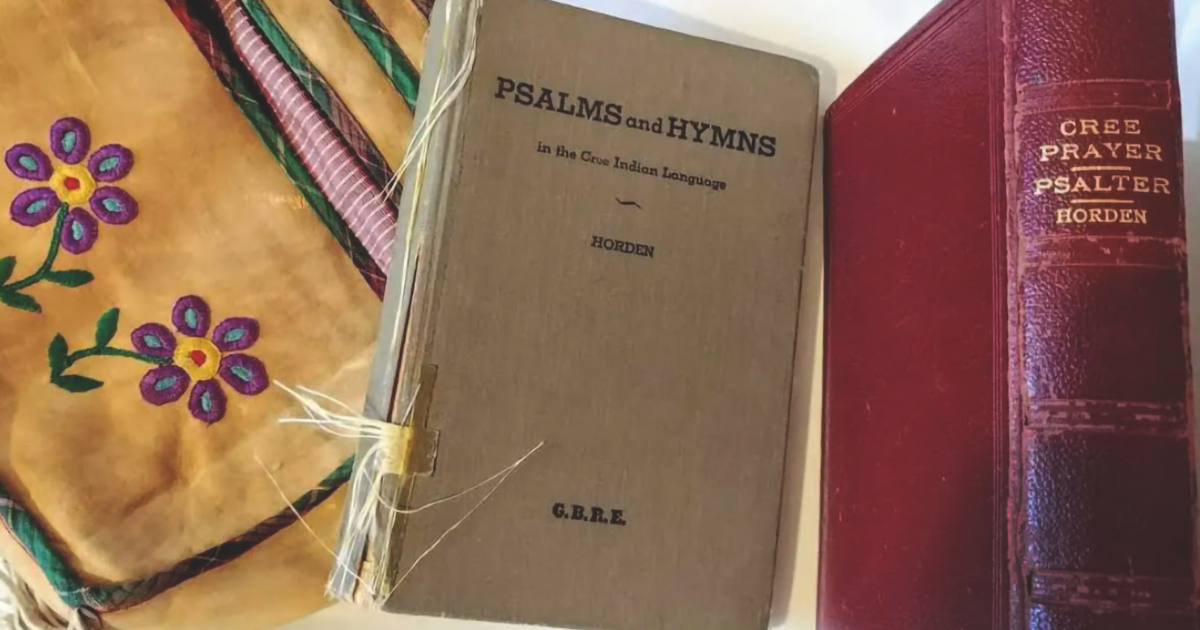
The revival initiative truly began to take shape back in 2020, when the Moose River Heritage and Hospitality Association (MRHHA) stepped forward to approach the diocese with a serious proposal to rescue and restore the deteriorating church building.
"Permission was granted, and from here the relationship evolved," explains Chabot, who now serves as the executive director of the MRHHA. While the Anglican diocese ultimately decided to retain official ownership of the historic property, a crucial legal and operational framework was established in 2023. The two entities signed a formal co-management agreement that successfully cedes operational control of the building over to the non-profit organization. This arrangement empowers the MRHHA to take the absolute lead on driving the complex restoration process forward, as well as managing the facility once it is finally ready to reopen its doors to the public.
Once the extensive restoration work is completely finished, the local Anglican parish will once again have a dedicated, familiar space to worship and hold religious services. However, the scope of the revived building will extend far beyond traditional Sunday services. The renewed space is slated to host a wide variety of public community events, with a deliberate and primary emphasis placed on running programs that actively strengthen families, local culture, and the Cree language, according to the terms outlined in the co-management agreement.
This comprehensive vision for the future has effectively united local residents around a powerful, shared sense of history, identity, and place. The church property and its surrounding grounds are not merely historical artifacts of timber and nails; they represent an enduring repository of shared human experience.
"We all have buried loved ones here, so this is sacred ground for all of us," reflected Moose Cree First Nation Chief Peter Wesley back in 2024, as he stood thoughtfully within the boundaries of the church’s historic cemetery.
That deep, emotional sentiment and collective reverence for the site have proven instrumental in driving the community centre project forward, pushing it remarkably close to a "shovel ready" stage of development, according to Chabot. The emotional resonance of the site ensures that the project is not just an architectural preservation exercise, but a profound act of community healing and reclamation.
For lifelong residents like Trudy Sailors, the ongoing efforts offer a profound sense of hope and anticipation. She is already looking forward to the day when the entire community can once again walk through the doors and make full use of the restored church building.
Moose Factory residents, she notes, are going to be deeply happy to gather together inside the historic structure once more. When the doors finally open, she believes there is going to be a tremendous amount of shared joy in simply being present in that space together again.