
From the sun-baked expanses of the Southwest to the rocky coastlines of the Jersey shore, climate change is fundamentally altering the traditions, rhythms, and environmental norms that have defined the American summer for generations.
For decades, summer offered a collective sense of ease, freedom, and predictability. It was a season anchored in the natural world: lazy afternoons at the beach, camping trips beside cold mountain streams, family cookouts, neighborhood block parties, and the simple, sensory pleasures of biting into fresh peaches and tomatoes. It marked the fruition of months of cold-weather dreaming—the time when spring plantings were harvested, families spent hard-earned vacation time, and children enjoyed the best of what the outdoors had to offer.
Today, that familiar seasonal baseline is eroding. Over the past half-century, annual hot-season temperatures across parts of the United States have warmed by as much as 4 to 5 degrees Fahrenheit, fueling more intense heat waves, prolonged droughts, and erratic downpours. According to the National Oceanic and Atmospheric Administration, recent months have repeatedly shattered historical heat records. As climate change drives these extremes, everyday habits and long-standing pastimes are evolving in ways both subtle and seismic.
The flickering fireflies at dusk in Georgia, the cool afternoon monsoon rains in Arizona, and the mild mountain summers in the Rockies are no longer reliable. Across the country, the relationships people hold with their favorite landscapes are shifting as the traditional summer becomes harder to find.
The Southwest
Arizona
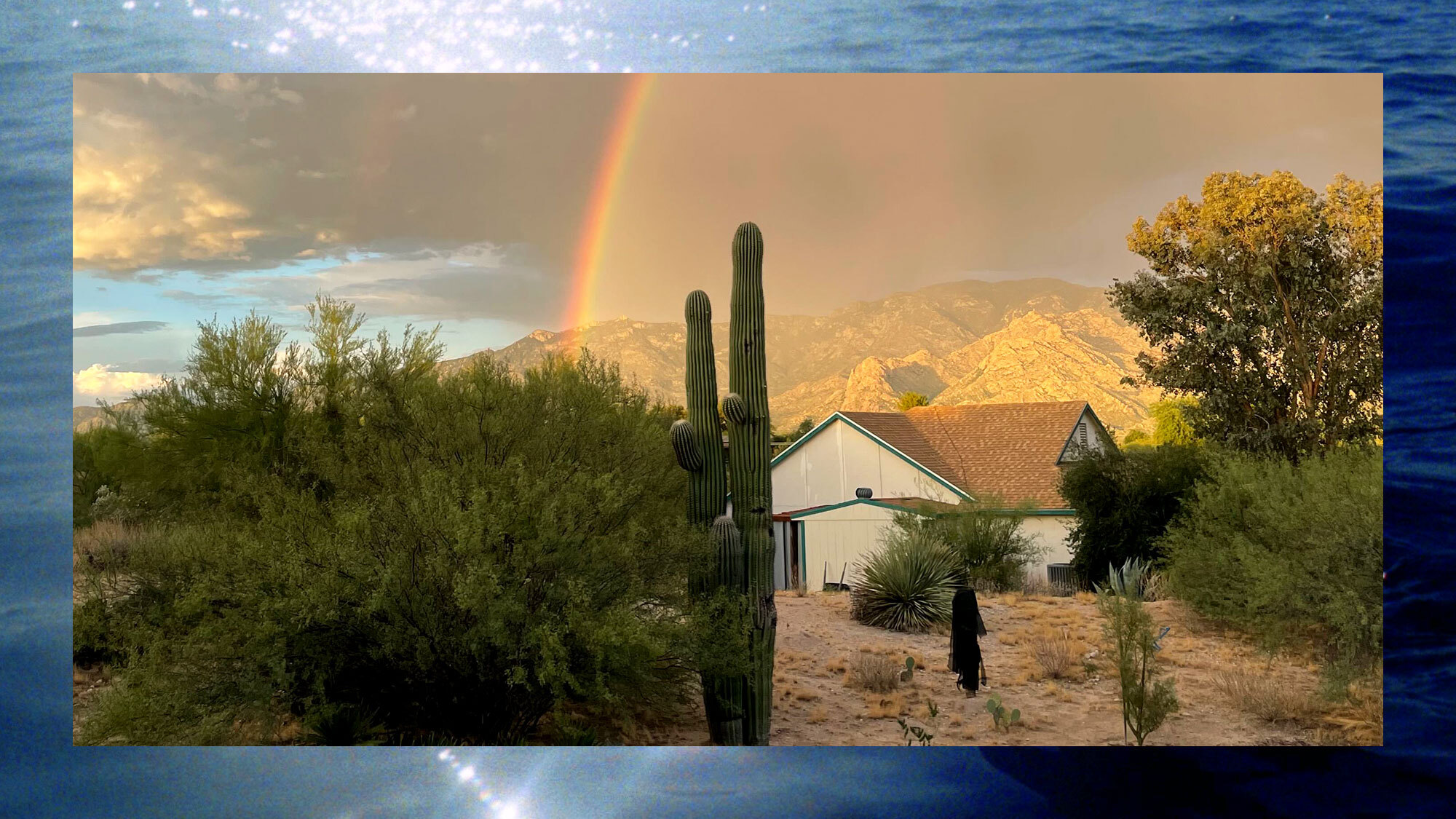
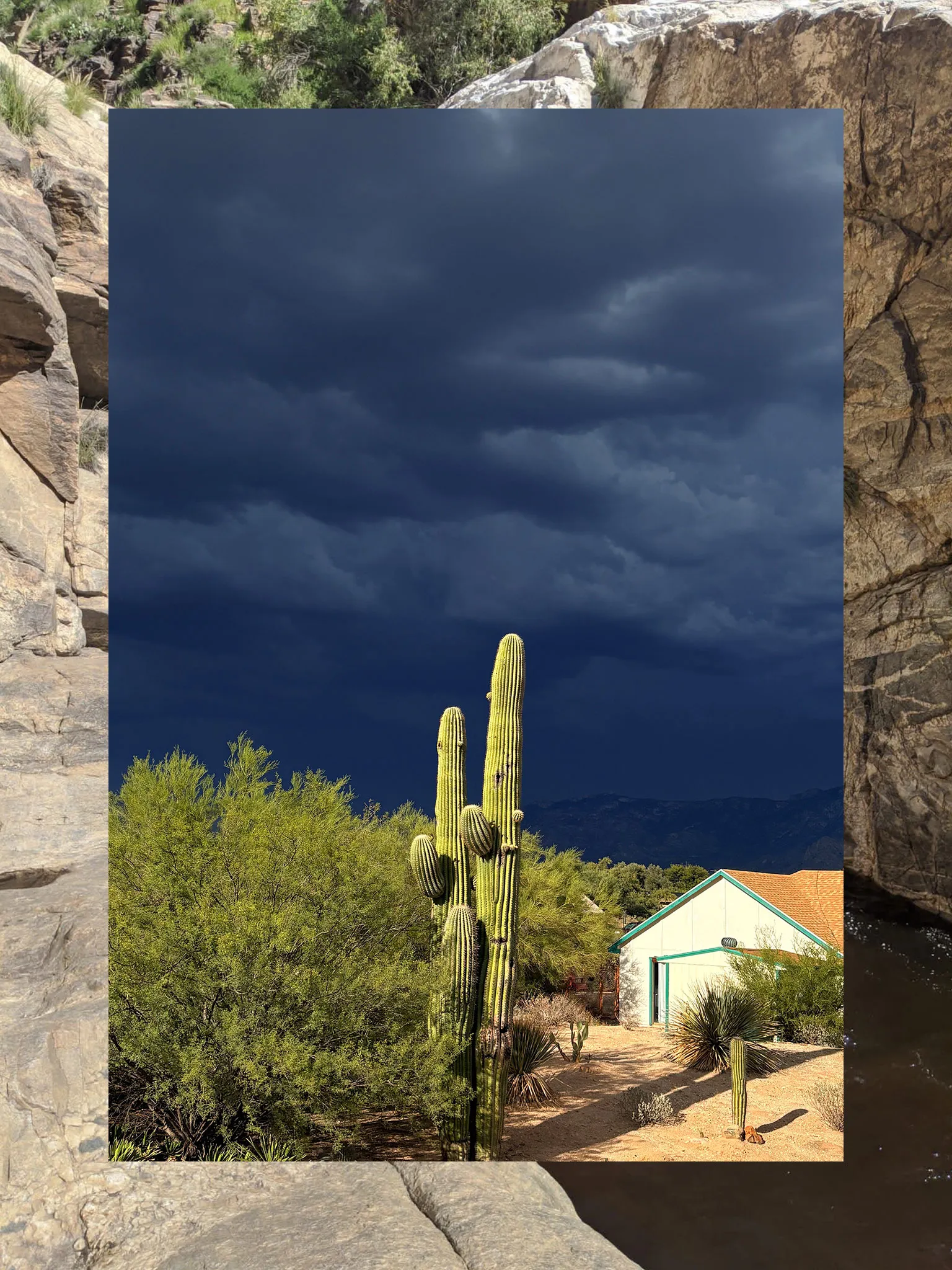
In the Sonoran Desert, rain has always been a cause for celebration, particularly during the summer monsoon season. On stormy days, massive curtains of rain and rainbows against dark clouds are a welcome sight. When downpours begin, residents step outside to inhale the scent of petrichor and creosote, checking in with neighbors to see if storms have reached across the valley. Following sufficient rainfall, state and national parks see families gathering near ephemeral streams and natural pools.
However, these summer storms are increasingly erratic. In Tucson, annual precipitation has declined by nearly 3 inches since 1970 against an annual average of roughly 11 inches. Longtime residents note that the predictable afternoon monsoons of the past have been replaced by irregular, less reliable rainfall. At the same time, the region faces an increasing number of triple-digit temperature days, leaving residents confined to air-conditioned spaces beneath empty skies.

Texas
In El Paso, summers have always been defined by intense heat, but recent seasons have brought unrelenting warmth. With dozens of days recording temperatures of 100 degrees Fahrenheit or higher—a trend driven by global warming—usual pastimes like backyard grilling, evening storytelling, and sports have grown difficult.
Beyond extreme heat, poor air quality has further disrupted outdoor life. Dust, vehicle emissions, and localized industrial contamination have occasionally created unhealthier conditions, forcing residents indoors. Even outdoor recreation in the nearby Franklin Mountains now requires strict caution, early-morning timing, and heavy hydration, while downtown foot traffic is dampened by a combination of extreme weather and heightened community caution.
The Rockies
Colorado
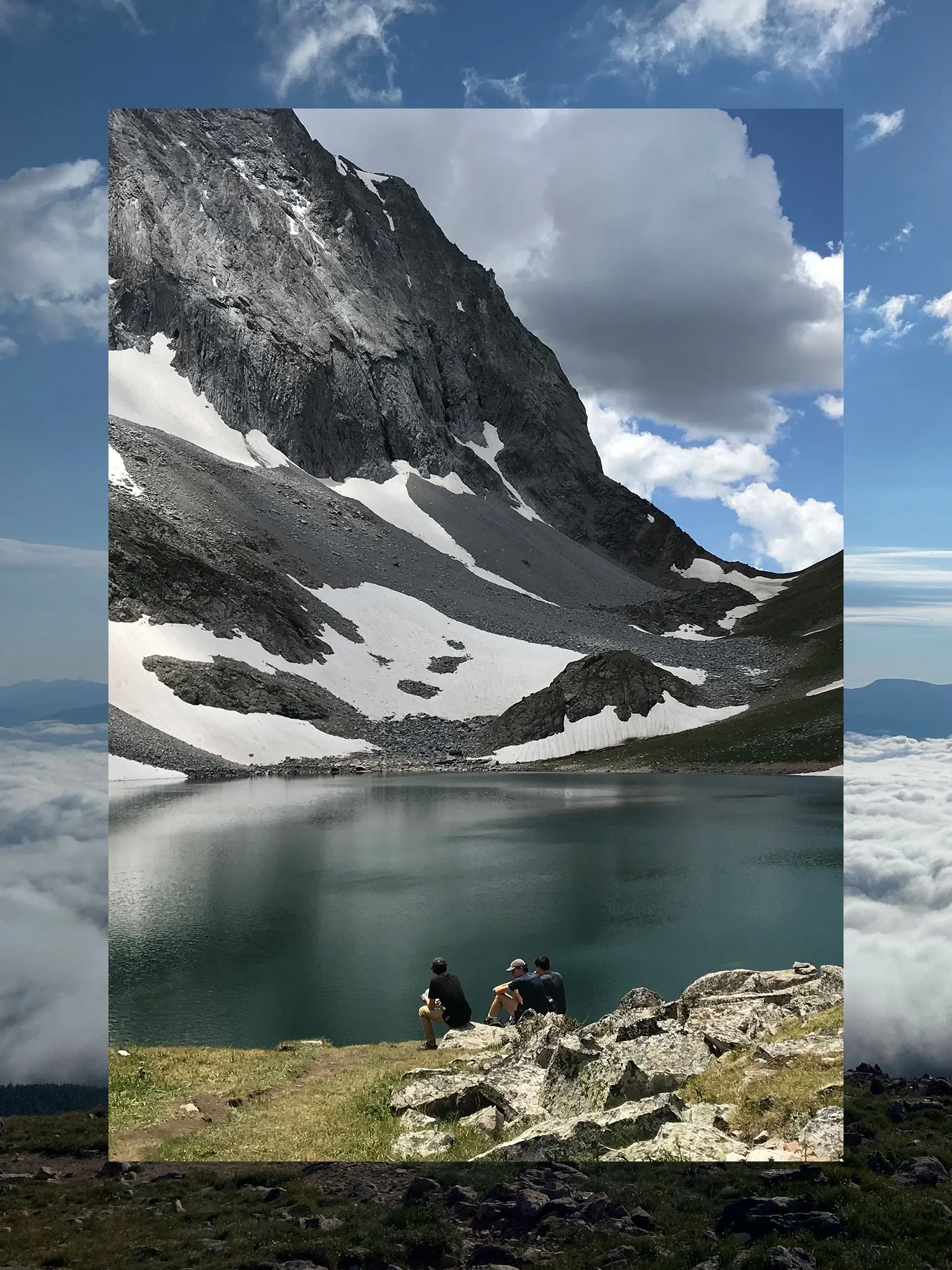
Thousands of travelers historically journey to the Rockies every summer, seeking refuge from southern heat in the cool, dry climate of the high country. However, drought, wildfire smoke, and climbing temperatures have diminished those alpine luxuries. Weather stations above 9,000 feet are recording near-90-degree days at unprecedented rates, while winter snowpacks melt earlier and wildfire smoke frequently obscures mountain views.
Despite these disruptions, resort lodging occupancy remains high as travelers continue fleeing lower-elevation heat. Shrunken streams are crowded with bathers, leaving mountain summers feeling more congested and less blissful than in the past.
Montana
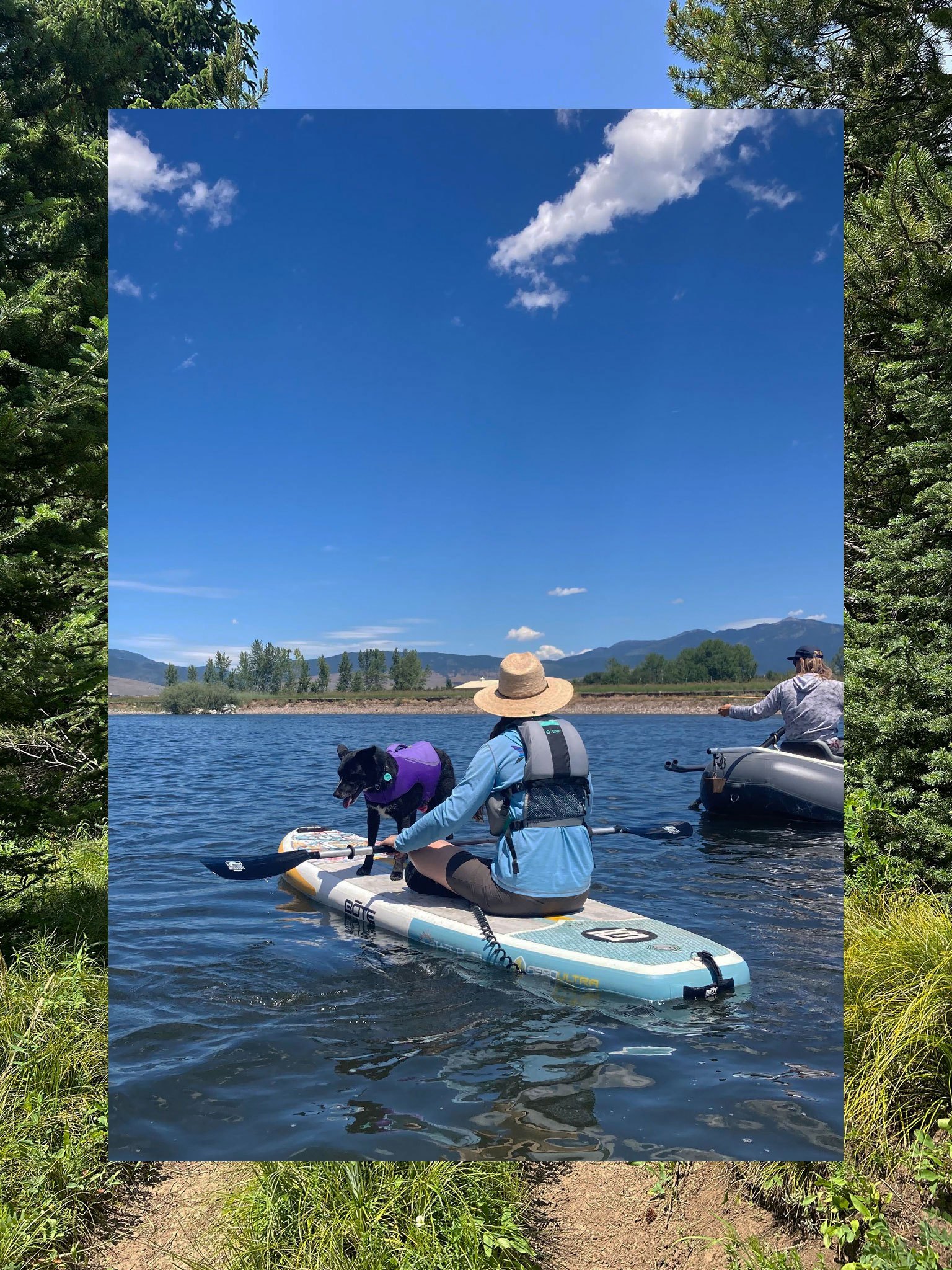
In Montana, summer traditions have centered on long daylight hours, the salmonfly hatch on blue-ribbon trout streams, and floating rivers on inner tubes and paddleboards. But rapid regional warming has reduced average snowpack and accelerated snowmelt, causing rivers to run lower well before peak floating season. With more days exceeding 90 degrees, residents and visitors turn to waterways to cool off, intensifying competition for space among tubers, anglers, and wildlife along shrinking shorelines. Because a low percentage of Montana homes feature air conditioning, local rivers and lakes remain essential refuges during heat waves, straining traditional outdoor recreation.
The West Coast
California
California’s diverse summer climate ranges from sun-baked Southern California heat to cool northern coastal fog. In the San Francisco Bay Area, the iconic marine layer—affectionately known as Karl the Fog—has historically provided cool, moody mornings essential for local ecosystems, including coastal redwoods that rely on fog moisture.
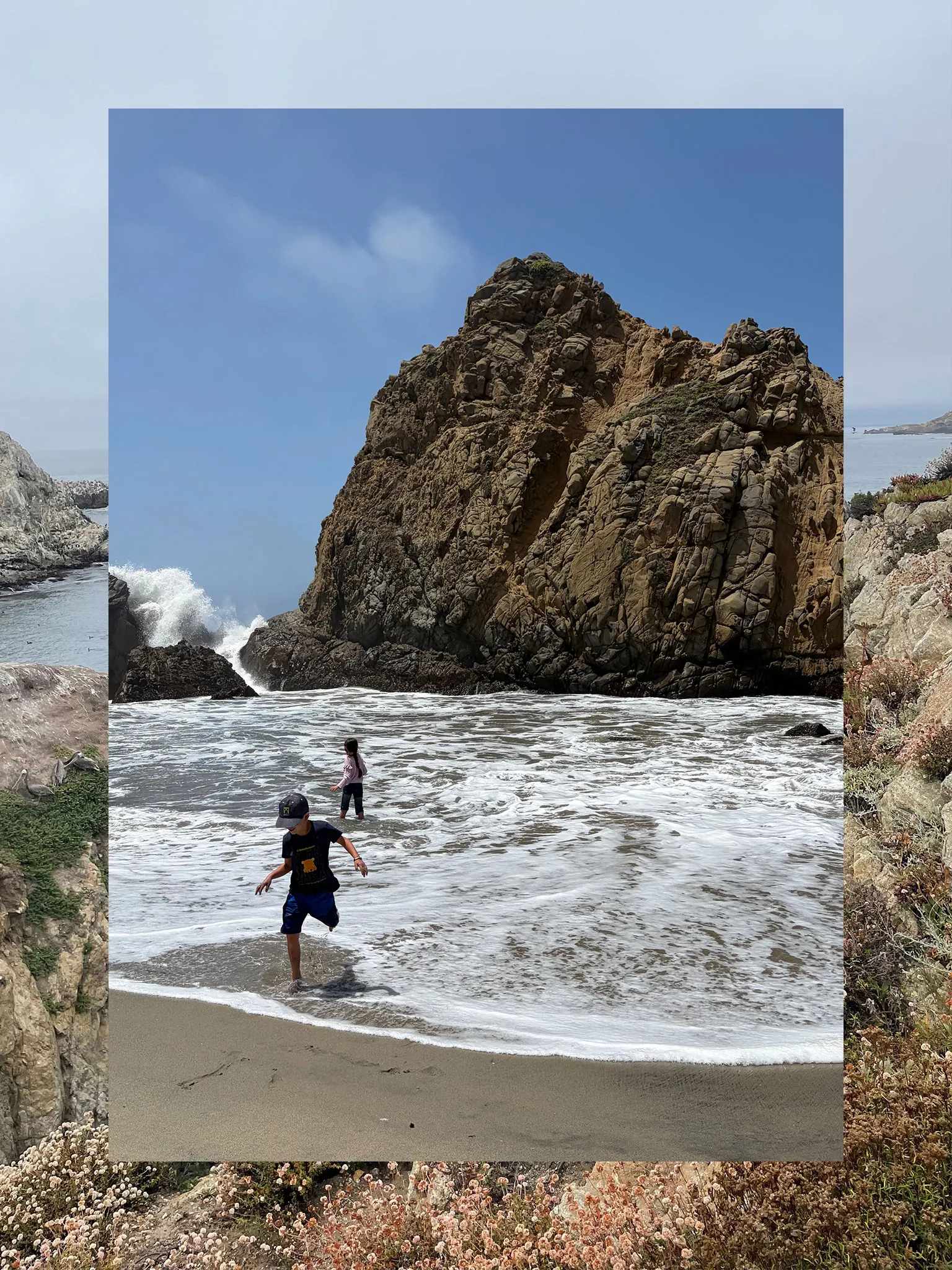
However, studies show that coastal California fog hours have declined significantly over the past century due to warming ocean temperatures. Statewide, hotter and drier conditions have elevated wildfire risks, requiring residents to keep emergency go-packs ready and altering travel plans. Water shortages and drought restrictions have also limited lawn watering and pool use, shifting children’s outdoor activities toward indoor alternatives.
Pacific Northwest
In the Pacific Northwest, a cool temperate period known locally as "Juneuary" historically preceded a mild summer where open windows and breezes sufficed for comfort. In recent years, however, extreme events like the June 2021 heat dome—which pushed Seattle temperatures to a record-breaking 108 degrees—have shattered historical norms.
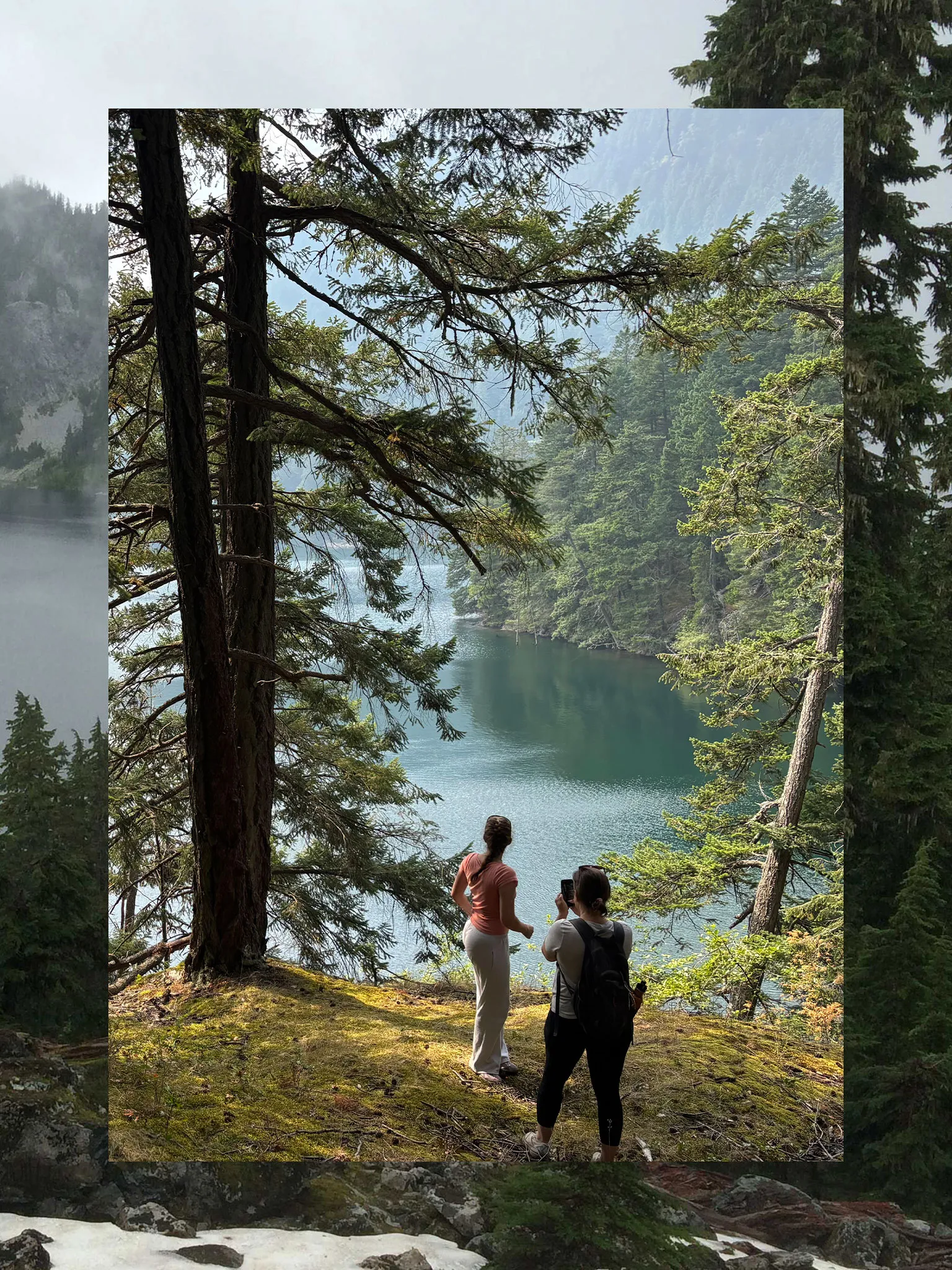
Reduced snowpack and heightened wildfire risks have made smoke a regular feature of late summer, frequently degrading air quality and forcing residents to keep windows sealed. Consequently, air conditioning adoption has surged across a region that was once the nation’s least air-conditioned, transforming the domestic experience of the season.
The Midwest
Illinois
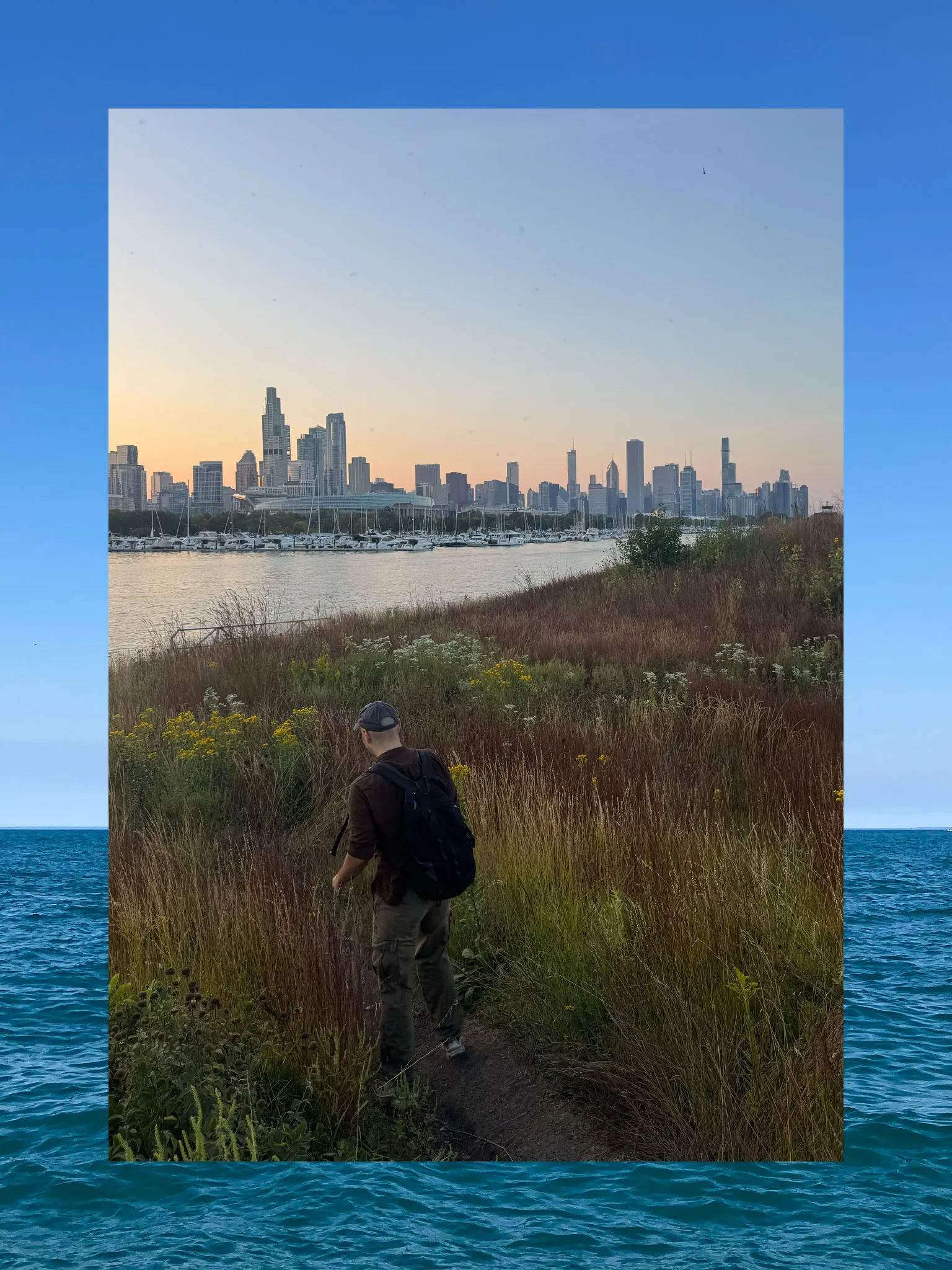
Chicago summers have long been celebrated as a vibrant, hard-earned reward for enduring bitter winters, characterized by lakefront gatherings and outdoor festivals. Yet recent summers have brought significant disruptions. Record-breaking rainfall has pushed city stormwater systems to capacity, while Canadian wildfire smoke has driven air quality to unhealthy levels. Additionally, historic tornado activity and severe windstorms have caused widespread power outages across the region, complicating the city’s traditional warm-weather rhythm.
Southeast
Tennessee
Small farms and backyard gardens form a core part of life in the Mountain South, but rising humidity and extreme temperature swings have complicated agricultural work. Following updates to USDA plant-hardiness zones reflecting northward shifts in temperature bands, farmers and gardeners face more intense flash droughts and flash floods. Many agricultural workers have had to adopt modified schedules, laboring early in the morning or late at night, while investing in resilient practices like seed saving to adapt to harsher conditions.
Kentucky
Kentucky summers are characterized by high humidity, lush landscapes, and vibrant evening wildlife. Yet prolonged extreme heat waves have driven heat index values past 108 degrees, triggering air quality alerts and severe thunderstorms. Evenings offer less respite, with major outdoor events unfolding under high temperatures. Urban heat island effects in cities like Louisville have intensified, prompting residents to seek out public water sources and splash pads to cope with the rising heat.
Georgia
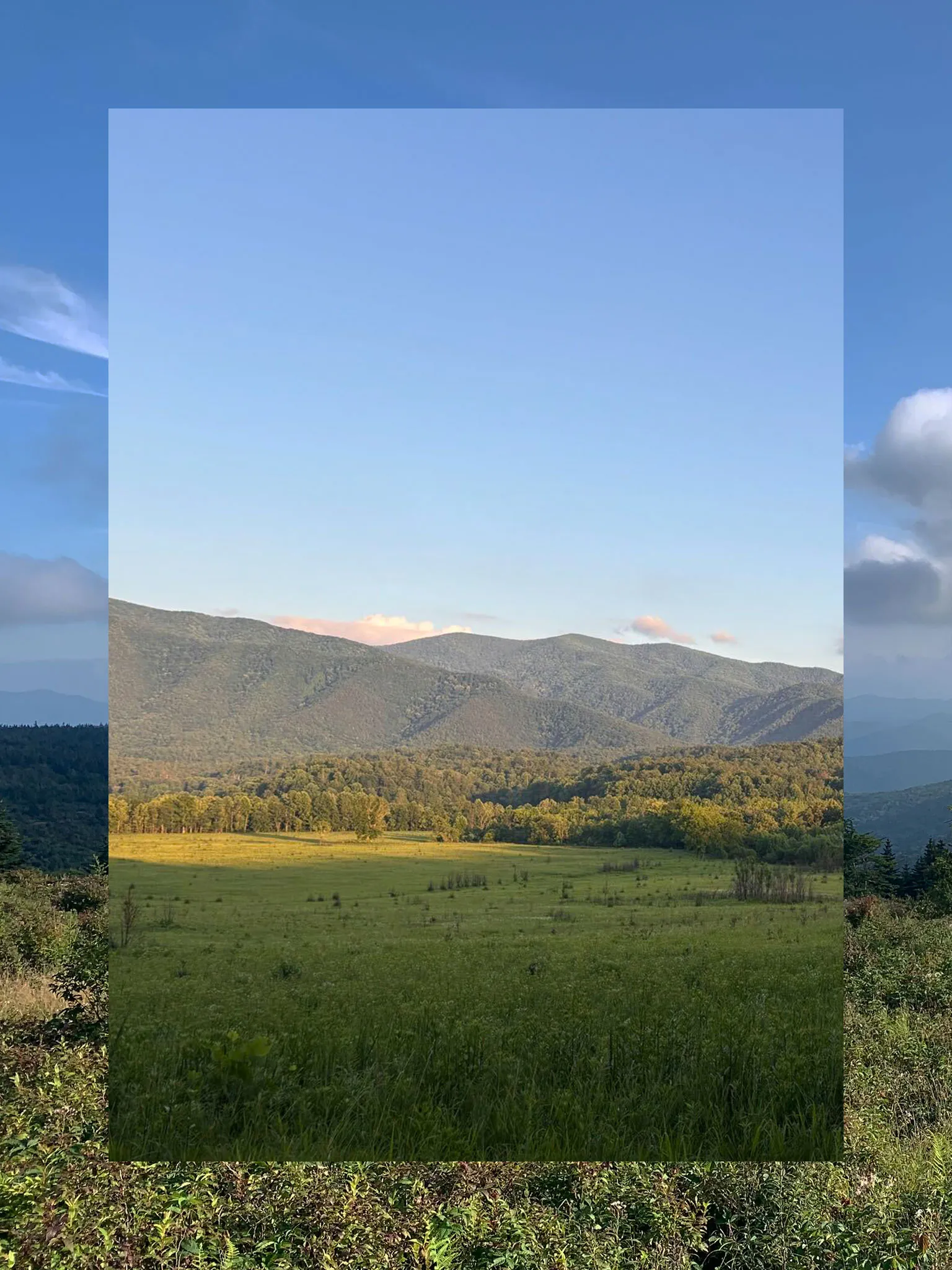
In Georgia, high humidity and afternoon heat have always required careful planning, with many traditional activities shifted to twilight hours. However, rising minimum nighttime temperatures—averaging well above historical norms—have fueled mosquito activity, making evenings outdoors less comfortable. Domestically, rising temperatures have driven up energy demands, leading to household strain over cooling costs as older, energy-inefficient homes struggle to maintain comfortable indoor temperatures. Furthermore, local firefly populations face increasing environmental pressures from development, light pollution, and changing land management.
Florida
Florida’s subtropical climate leaves it uniquely vulnerable to warming ocean waters. Record-breaking temperatures have driven heat-related medical calls at major attractions, while urban sidewalks reach temperatures that risk the safety of domestic animals.
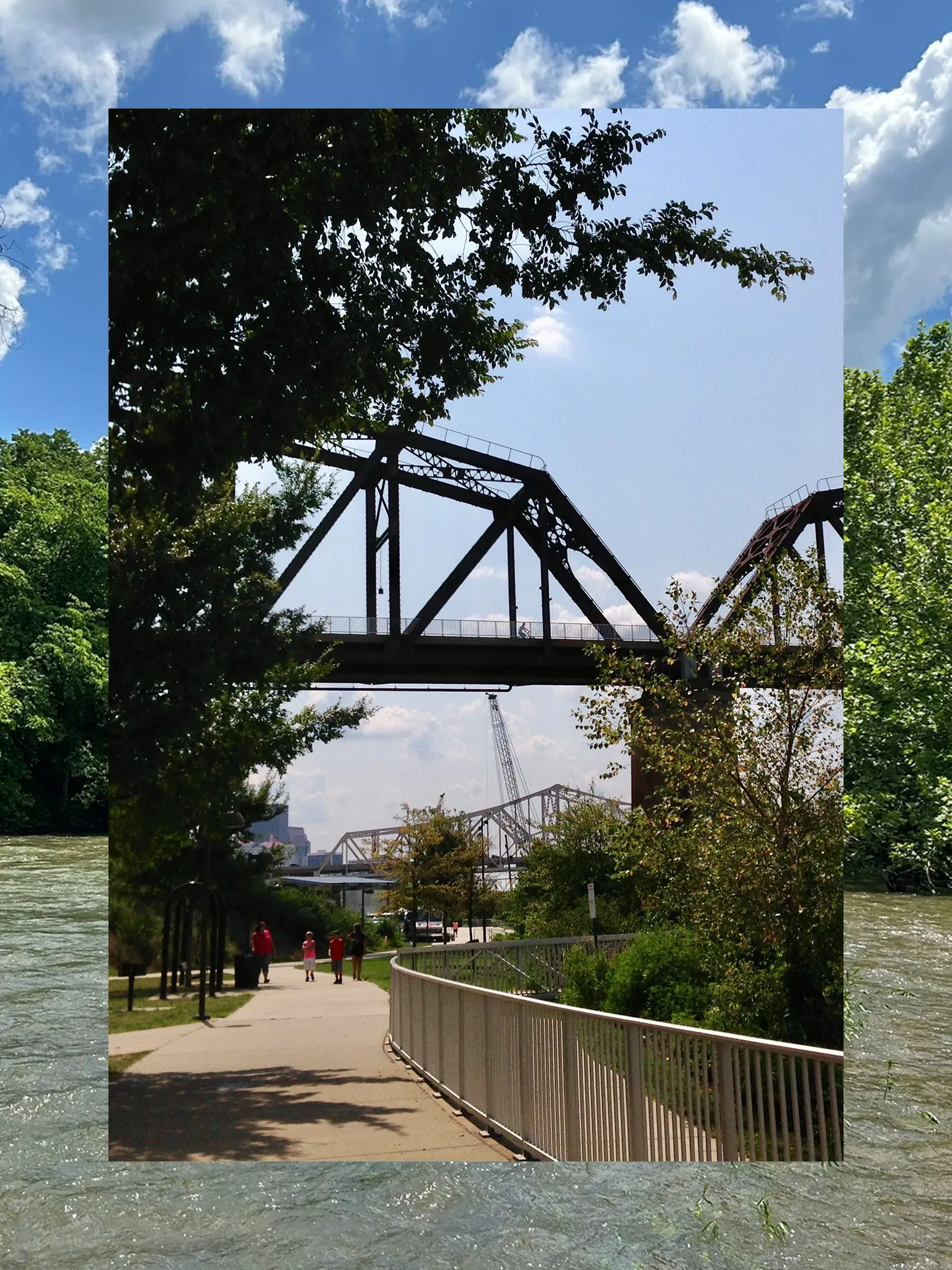
Along the coast, record marine temperatures and nutrient shifts have fueled massive accumulations of sargassum seaweed that choke shorelines and hinder sea turtle nesting, alongside prolonged toxic red tide algae blooms. Rising sea levels and hurricane impacts have also damaged local economies and small coastal businesses, leading more residents and visitors to seek refuge indoors.
Northeast
New Hampshire
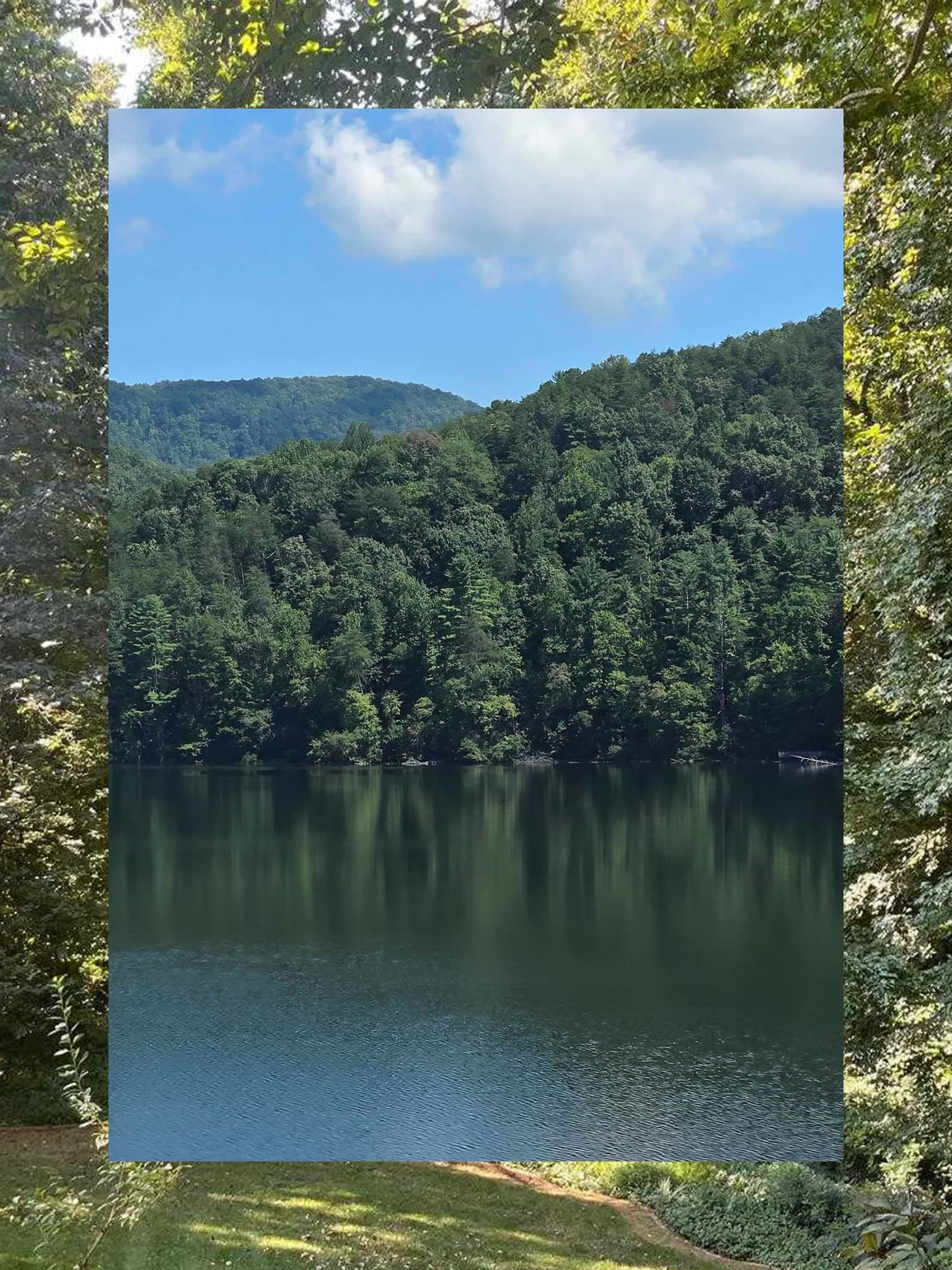
In New England, the warm months between Memorial Day and Labor Day are fiercely protected as a brief window for outdoor recreation across mountains, lakes, and coastal areas. However, as the region warms faster than the rest of the contiguous United States, ecological conditions are shifting. Rising temperatures have expanded the habitats and activity periods of ticks, increasing the prevalence of tick-borne illnesses and turning routine family outings into exercises in vigilance.
New York
New York City has historically functioned as a vibrant summer city, but rising humidity and frequent wildfire smoke from Canada have altered urban life. Heavy smoke events have turned skies hazy, degraded air quality to hazardous levels, and prompted public health warnings that keep residents indoors. For lower-income residents lacking reliable air conditioning, extreme heat waves combined with smoke pollution present acute health risks, occasionally bringing the fast-paced city to a temporary standstill.
New Jersey
The Jersey Shore has welcomed generations of summer visitors, with locals traditionally treasuring the quieter, temperate days immediately following Labor Day. During this post-season window, ocean waters reached comfortable swimming temperatures while crowds departed.
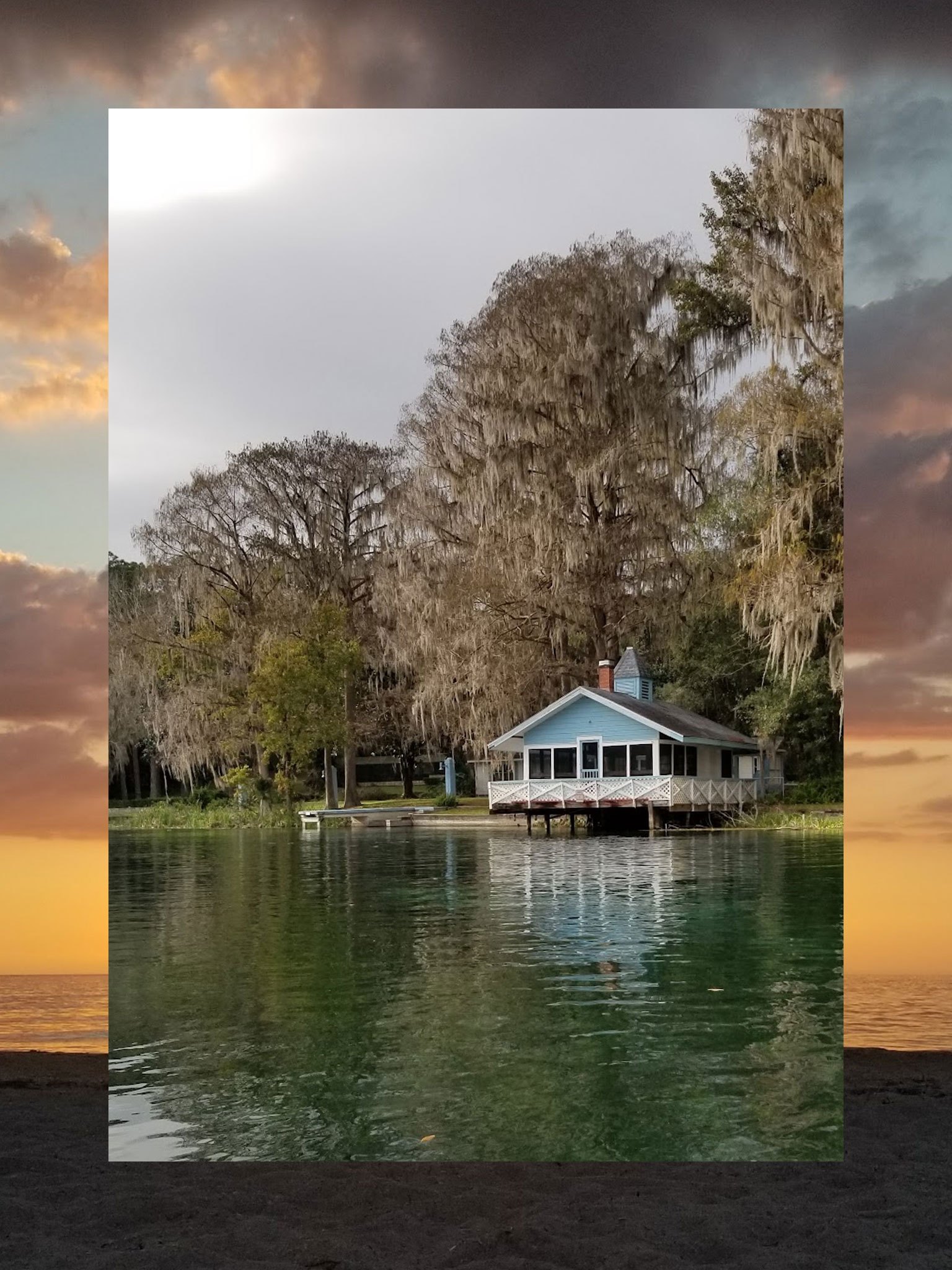
However, Rutgers satellite data and Climate Central records indicate that sea surface temperatures and fall air temperatures are climbing earlier and staying longer. As summer conditions bleed deeper into the autumn months, the distinct seasonal transition that once defined the Jersey shore is gradually disappearing, leaving behind a prolonged stretch of warm weather.